Cape Town Terminal Spends R83m on Spreaders as Fruit Season Starts
CTCT has spent R83m on 14 hydraulic container spreaders to cut crane downtime in the fruit export season, after losing 79 days to weather last year while still hitting volume targets.
Adjustments
- CTCT invested R83m in 14 new hydraulic spreaders; four allocated to CTMPT
- Ship working hours improved 15% in FY2025/26; truck turnaround cut from 52 to 35 minutes
- Terminal lost 79 days to inclement weather last year yet met its volume target
- Belcon inland facility will stage reefer containers during wind stoppages
- TPT employs over 9,000 staff across seven South African ports
Cape Town Container Terminal has put R83 million into 14 new container spreaders, aiming squarely at crane downtime during South Africa's deciduous fruit export season.
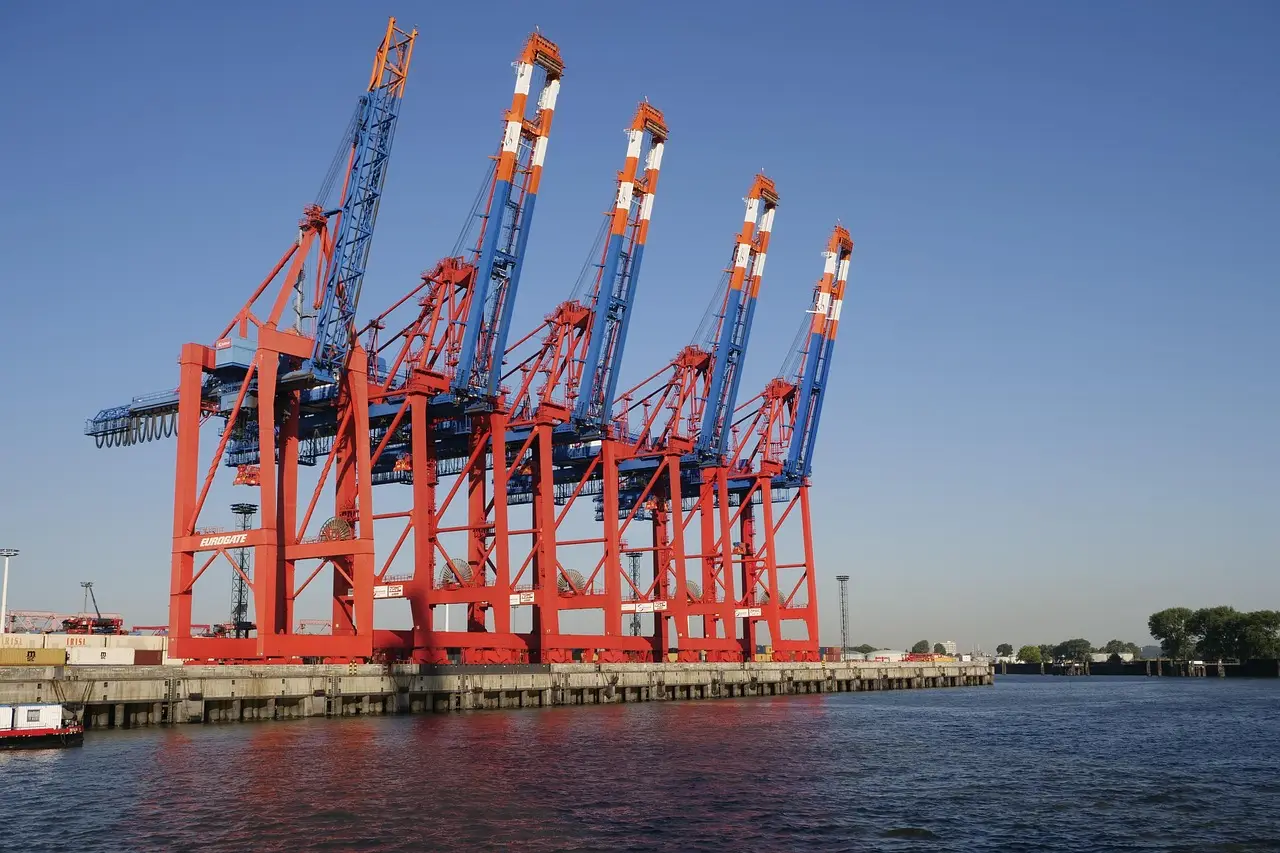
The spreaders use hydraulic twist-lock mechanisms to secure boxes. TPT is deploying them across ship-to-shore cranes, rail-mounted gantry cranes and mobile harbour cranes at CTCT. Four of the 14 units go to the complementary Cape Town Multi-Purpose Terminal, which backs up CTCT during peak export windows.
CTCT Manager Noxolo Thabatha said the equipment tackles mechanical delays head-on during vessel loading. "The arrival of the spreaders will reduce crane downtime and interruptions during vessel loading, helping the terminal maximise its operating hours," Thabatha said.
Note what she didn't say: no target figure for downtime reduction, no date by which the units are fully operational. The R83m buys better availability. How much better is anyone's guess until the season's numbers land.
Do the recent gains hold up?
The spend builds on earlier investment — 28 new rubber-tyred gantry cranes — and Transnet Port Terminals claims those upgrades already delivered measurable results on the quayside and at the gates.
The numbers back that up, at least on paper. For the 2025/26 financial year ended March 2026, CTCT recorded a 15% improvement in ship working hours versus the previous year. Truck turnaround times over the same period improved from 52 minutes to 35 minutes, which should please hauliers moving fruit to the quay.
A 15% gain in ship working hours is real money for fruit exporters chasing tight reefer slots. But one strong year after an equipment refresh isn't a trend. Wind and weather can erase a good quarter in a week.
What about the wind problem?
Strong south-easterly winds in the Western Cape remain the terminal's recurring headache during the export season. Last year CTCT lost 79 days to inclement weather — and still hit its volume target, which says something about the baseline capacity now in place.
To keep cargo fluid when high winds halt crane operations, CTCT and CTMPT will use the Belcon inland facility as a back-of-port staging area for landside container movements. During weather stoppages, Belcon will take refrigerated containers so cargo keeps flowing and the terminal recovers faster once conditions improve.
That is the interesting part of the plan. A 79-day weather loss on a refrigerated export flow is a reefer-plugging and cargo-integrity problem, not just a berth-productivity problem. The release doesn't say how much reefer capacity Belcon carries, or who pays for the extra truck legs.
Who is behind this?
TPT employs more than 9,000 staff across its sea-cargo and inland terminals at South Africa's seven ports. The operator says its current plans focus on equipment investment, volume growth and service innovation — the standard three-pillar language that tells you little until capital expenditure figures follow.
For the deciduous fruit sector, dependable terminal operations remain central to keeping export schedules on track, and the Cape wind season makes Cape Town the weak link more often than anyone likes.
Thabatha said the terminal has worked closely with customers and stakeholders ahead of the season. "Our preparations for the export season have focused on strengthening operational performance, planning and collaboration with customers and stakeholders," she said. "We have refined our operational plans and remain focused on delivering reliable service throughout the season."
Collaboration is the word every port manager reaches for. The test arrives when the south-easter blows for a week straight and Belcon fills up. The spreaders help the cranes. They do nothing about the wind.
via Google News: Ports & Terminals (Source)
More from James Calloway
Show full bio
Correspondent covering technology and product news in commercial shipping for industry professionals at Vessels.
177 articles
Linked entries
- Transnet adds Berth 102, diverts Durban vessels to Ngqura
- Durban Gateway races 20-day backlog with crane repairs and 70-unit fleet order
- Durban congestion puts Western Cape fruit season at risk
- Durban truckers stranded as 14-20 day waits hit Gateway Terminal
- Northwest Seaport Alliance Volumes Slide 9.6% to 2.4m TEU