Northwest Seaport Alliance Volumes Slide 9.6% to 2.4m TEU
NWSA year-to-date container volumes fell 9.6% to 2,409,441 TEU as full imports dropped 10.1%. Washington United Terminals landed a US$11.4m federal grant to upgrade mooring bollards and RTG runways.
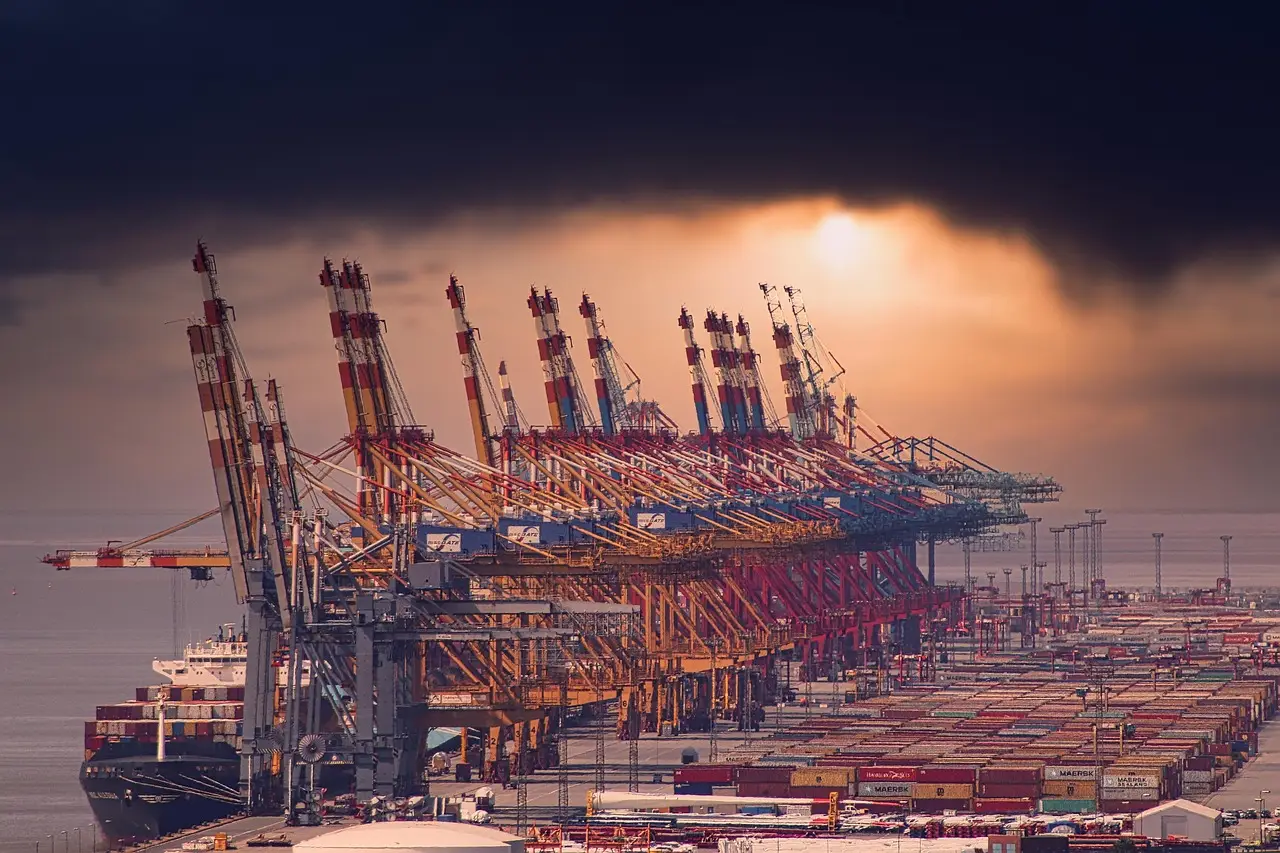
Adjustments
- NWSA year-to-date container volumes fell 9.6% to 2,409,441 TEU, with full imports down 10.1%.
- Washington United Terminals received a US$11.4m Port Infrastructure Development Program grant for bollard and RTG runway upgrades.
- HMM terminal investment will raise capacity from about 590,000 TEU to 880,000 TEU, with four cranes commissioned by 2028.
- October full imports grew 13.1% year-on-year; total monthly volume was 235,210 TEU.
- Breakbulk volumes rose 12.2% to 345,075 tonnes; auto units fell 2.2% to 224,416.
Container throughput at the Northwest Seaport Alliance (NWSA) has fallen 9.6% so far this year, with year-to-date volumes at 2,409,441 TEU. The alliance reported full imports down 10.1% and full exports off 2.8% for the first ten months of 2026.
Yet the same terminals losing box volume are spending on capacity. Washington United Terminals has secured a US$11.4m Port Infrastructure Development Program (PIDP) grant, while a separate HMM-backed terminal investment will lift cargo-handling capacity from roughly 590,000 TEU to 880,000 TEU.
What do the volume numbers show?
October offered one bright spot: full imports grew 13.1% year-on-year, with total monthly volume of 235,210 TEU. That single-month gain hasn't offset the broader slide in trade flows through Puget Sound.
Breakbulk is bucking the container trend. Volumes reached 345,075 tonnes in the first ten months, up 12.2%. Autos went the other way, with 224,416 units handled, down 2.2% from the same period in 2025. The NWSA data don't break out how much of the auto decline stems from units diverted from Canada.
Who's investing what?
The spending picture at Tacoma splits into three streams:
- Washington United Terminals will spend its US$11.4m PIDP grant upgrading mooring bollards to take larger container vessels and building concrete runways for RTG (rubber-tyred gantry) cranes.
- The HMM terminal investment replaces two ageing STS (ship-to-shore) cranes and adds two RTG cranes, taking capacity from about 590,000 TEU to 880,000 TEU. The four new cranes should be delivered and commissioned by 2028.
- Earlier in 2026, US$2m in berth-deepening funding was announced at Washington United Terminals and Husky Terminal.
Why does this matter?
The NWSA — a joint port authority partnership of the Ports of Seattle and Tacoma managing container and cargo operations across the Puget Sound region — is modernizing while its regional trade flows weaken. The PIDP grant funds upgrades even as container volumes fall 9.6% this year, a bet that bigger vessels and more cargo-handling muscle will pay off when volumes return.
For shippers and carriers, the swings at Tacoma terminals feed into freight costs and the availability of imported goods in the region. Terminal upgrades aim to handle larger vessels and more throughput over time.
What happens next?
The next scheduled capacity milestone is the delivery and commissioning of the four HMM cranes by 2028. Until then, monthly volume data will show whether October's 13.1% import gain was a blip or the start of recovery.
via Google News: Ports & Terminals (Source)
More from Sophie Lindqvist
Show full bio
Market editor covering technology and product news in commercial shipping for industry professionals at Vessels.
102 articles
Linked entries
- NWSA October imports rise 13.1% as terminal expansion advances
- Long Beach clears 937,000 TEUs in October, up 5% on record pace
- Port of Virginia Imports Jump 15.5% in October Peak Season
- Shanghai–New York Container Rates Top $10,000, More Than Double May Levels
- World Bank: terminals at 72.2% utilisation, already past congestion line