Durban truckers stranded as 14-20 day waits hit Gateway Terminal
Durban Gateway Terminal's Navis N4 cutover has vessels waiting up to 20 days, throughput down 26-30%, with ICTSI given three months to improve or risk losing its licence.
Adjustments
- Vessel waiting times at Durban Gateway Terminal stand at 14-20 days, with anchorage averages of 8.3 days in early October
- The mid-August 2026 Navis N4 cutover initially cut throughput by 26-30%
- Transport Minister Barbara Creecy gave ICTSI three months to improve performance or risk losing its licence
- New handling equipment is expected in December, with improvement through February 2027
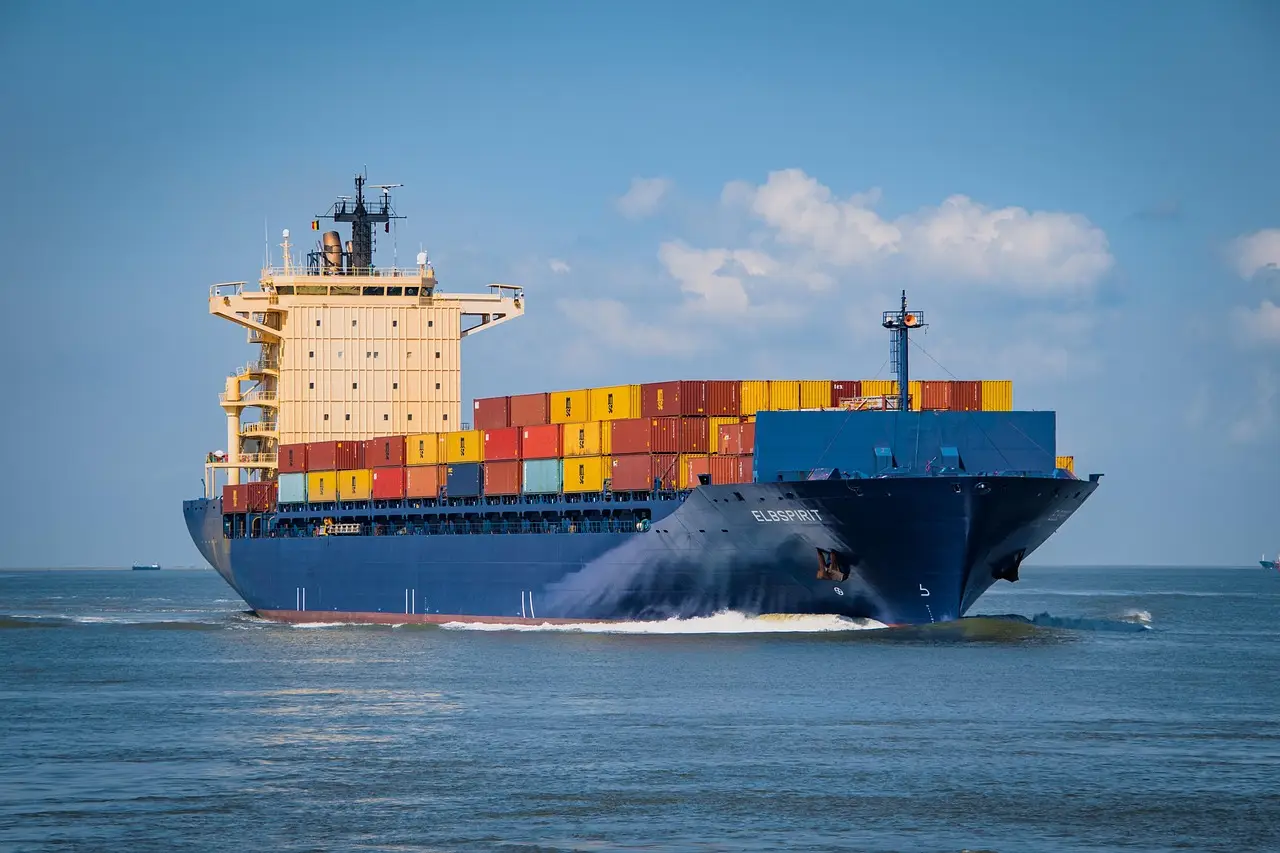
Vessels are waiting 14 to 20 days at Durban's Gateway Terminal (DGT), South Africa's largest container facility, stranding truckers, choking manufacturers and pushing some cargo into air freight. The backlog stems from a mid-August 2026 cutover to the Navis N4 terminal operating system, which initially cut throughput by roughly 26-30% and disrupted truck booking systems and yard operations.
The Southern African Association of Freight Forwarders (SAAFF) puts the added time at around 20 days across affected supply chains. Jacob van Rensburg, SAAFF's head of research and industry intelligence, said waterside throughput has improved from a depressed base, but that hasn't yet produced a sustained reduction in the vessel queue. Average anchorage waits ran about 8.3 days in early October, with individual services ranging from 3 days to more than a month.
Landside congestion compounds the waterside problem. Trucks with bookings have queued for several hours to over a day, and securing slots remains difficult. Maritime consultant Dave Watts laid out the arithmetic: "A vessel arriving today may wait 12 days before service, plus several more days at berth, followed by further delays exiting the terminal because of landside congestion."
Peak citrus exports and year-end retail and industrial cargo have intensified the strain on the terminal, which handles a substantial share of the country's containerised trade.
What are the delays doing to drivers and shippers?
Truck driver Anathi Dweba told IOL the delays wreck scheduling. "We work on loads; therefore, if we cannot complete a load in time, our productivity suffers," he said. Drivers are sleeping in their trucks without sustenance and losing work shifts.
Importers face demurrage, storage charges and inventory build-ups, while exporters risk missing vessel cut-offs. Downstream manufacturers and retailers absorb higher logistics costs that are hard to pass on immediately; some factories have halted production lines.
What is being done?
Transport Minister Barbara Creecy admitted the timing of the Navis migration was "not good" and that the backlog would take months to clear. On one arrival she counted dozens of ships at anchorage, saying she was "having a heart attack because I was counting ships." She has given ICTSI, the Philippine operator holding a 49% stake in the Transnet joint venture at DGT, three months to improve performance or risk losing its licence. Transnet retains majority ownership.
New handling equipment arrives in December, with progressive improvement targeted through February 2027. The long-term goal remains a 24-hour vessel wait.
Transnet has activated emergency measures:
- Opening Berth 102 at adjacent Pier 1 for geared vessels
- Diverting selected ships to Ngqura near Gqeberha, with containers transferred onward
- Bringing additional refurbished cranes into service
- Adding rail capacity for Gauteng-bound containers
DGT CEO Javier Lancha said an operational recovery programme has restored some terminal fluidity, with priority now given to essential cargo such as automotive parts and pharmaceuticals.
KwaZulu-Natal MEC for Transport Siboniso Duma flagged truck congestion on the N3, N2 and N11 routes. "We have taken a decision to deploy more Road Traffic Inspectorate and Operation Shanela teams to manage traffic and ensure road safety," he said, pledging cooperation with eThekwini, Umhlathuze, Umsunduzi and other coastal municipalities.
Recovery, officials stress, will be incremental rather than immediate — and the disruption keeps testing both local supply chains and the private-sector partnership meant to modernise the terminal.
via Google News: Ports & Terminals (Source)
More from Sophie Lindqvist
Show full bio
Market editor covering technology and product news in commercial shipping for industry professionals at Vessels.
102 articles
Linked entries
- Conakry Hits 11.5 Days Waiting as Global Port Congestion Deepens
- Transnet Rushes Berth 102 and Rail Relief to Durban Gateway Backlog
- Durban Gateway races 20-day backlog with crane repairs and 70-unit fleet order
- World Bank: terminals at 72.2% utilisation, already past congestion line
- Durban Port Backlog Triggers KZN Freight Enforcement Push