Transnet Rushes Berth 102 and Rail Relief to Durban Gateway Backlog
Transnet dedicates Berth 102, diverts boxes via Ngqura and adds rail capacity as DGT congestion threatens Metair with a 25% EBITDA hit. SAAFF says 4,000 moves/day is the real test.
Adjustments
- Metair warns Durban congestion could cost up to 25% of EBITDA
- Final STS crane commissioned, returning all six Pier 1 cranes to service
- SAAFF says DGT must lift productivity from ~3,300 to 4,000–4,200 moves per day
- Berth 102 dedicated immediately for geared-vessel direct discharge
- Cape Town terminals cannot release equipment due to deciduous-fruit export peak
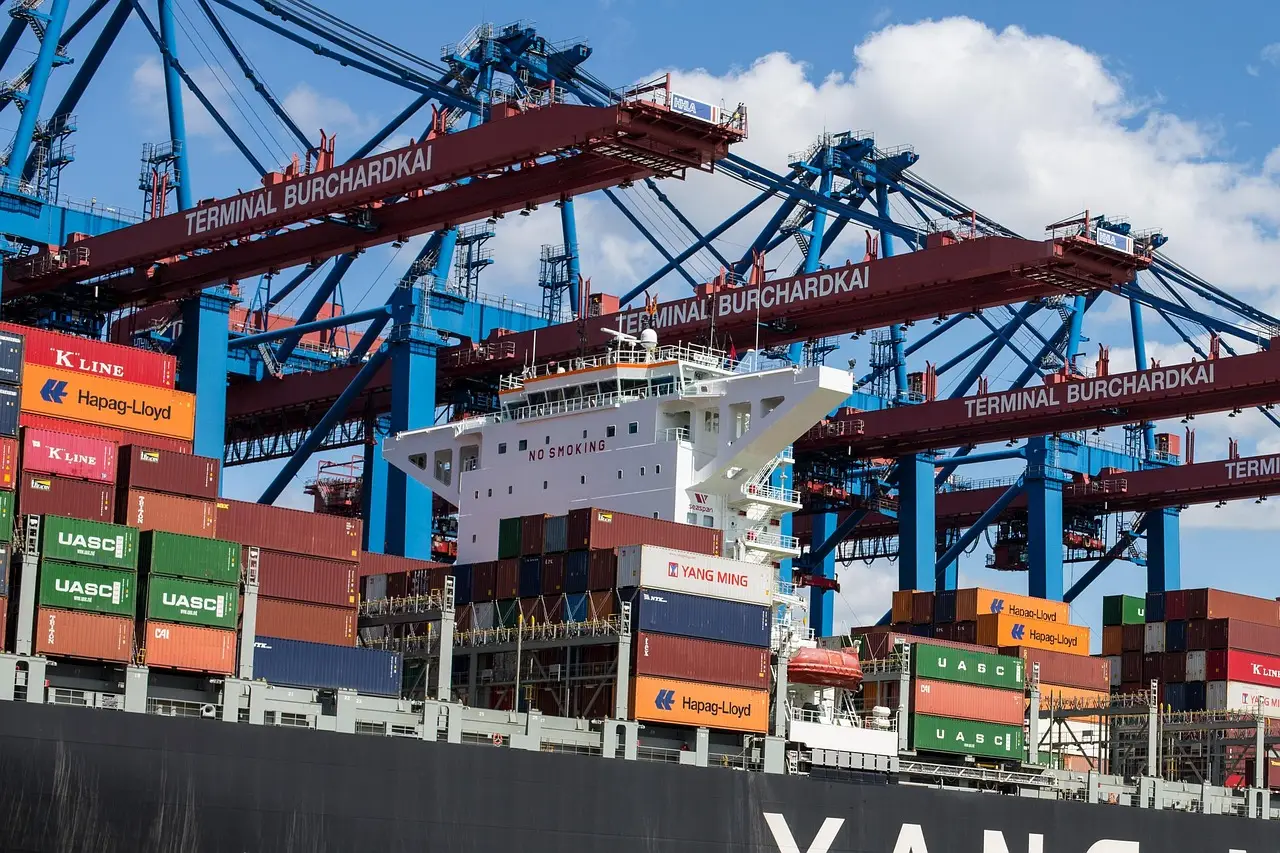
Transnet has dedicated Berth 102 to geared vessels and put extra freight trains on the Durban–Gauteng corridor, in an urgent push to clear the container backlog at Durban Gateway Terminal (DGT). The moves follow warnings that the congestion could cost Metair, a leading African automotive component supplier, up to 25% of its EBITDA (earnings before interest, tax, depreciation and amortisation).
Transnet acknowledged the congestion's impact on shipping lines, cargo owners, customers and the wider logistics chain. "The matter is being treated with the seriousness and urgency it requires, with interventions being coordinated and monitored at senior leadership level," the company said.
What are the immediate measures?
Transnet National Ports Authority (TNPA) has assigned Berth 102 for direct discharge by geared vessels, and says the berth is available now. Shipping lines are being encouraged to use it. Durban-bound boxes can also be routed through the Ngqura Container Terminal (NCT), then transshipped by smaller geared vessels to Berth 102 and the Point Terminal.
Transnet Port Terminals (TPT) and DGT are also identifying suitable vessels for diversion to NCT. Equipment is coming back too. The final ship-to-shore (STS) crane returning from long-term refurbishment at TPT's Pier 1 was due to be commissioned on Friday and handed to operations on Saturday, putting all six cranes back in operational availability.
Not every lever is available. TPT reviewed equipment across its terminals for transfer to DGT, but neither Cape Town Container Terminal nor Cape Town Multi-Purpose Terminal can release any — both are in peak deciduous-fruit export season. TPT says it will keep assessing deployment options as conditions evolve.
On rail, Transnet Freight Rail (TFR) has made trains available to evacuate import containers bound for Gauteng, prioritising essential cargo — pharmaceuticals and automotive components — ahead of vessel berthing to speed evacuation from the terminal.
"Transnet recognises that resolving the backlog will require sustained execution and close coordination between terminal operations, TNPA, TFR, shipping lines, customers and other stakeholders across the port system," the company said.
Can DGT raise productivity enough?
Industry voices doubt the package alone will clear the queue. Dr Jacob van Rensburg, head of research and industry intelligence at the Southern African Association of Freight Forwarders (SAAFF), said the measures should give some short-term relief but won't eliminate the backlog by themselves. The key test, he said, is whether DGT can lift productivity from about 3,300 moves per day to between 4,000 and 4,200 moves per day — and hold it there.
"Transnet is an important strategic partner in DGT and remains central to the wider Durban port rotation, while Transnet-operated terminals also form part of the competitive port landscape," Van Rensburg said. "That makes coordination essential, but it does not remove the need for DGT to build the productive capacity required to deal with the backlog sustainably."
Malcolm Hartwell, head of transport at law firm Deneys and a master mariner, read the scope of the interventions as a sign the problem has worsened rather than resolved. Seasonal import growth may have contributed, he conceded, but some measures are unlikely to make a substantial difference. He pointed to significant equipment or systems problems at DGT and questioned why vessels weren't diverted to Ngqura earlier, given the operational data available to operators and Transnet.
"Problems of this nature do not develop overnight," he said. He warned that businesses and consumers will ultimately pay for delayed deliveries if the interventions fail.
What about the roads?
KwaZulu-Natal MEC for Transport and Human Settlements Siboniso Duma welcomed the interventions led by Transport Minister Barbara Creecy. His department will deploy additional Road Traffic Inspectorate and Operation Shanela teams to manage traffic and improve safety.
High order volumes across retail and freight are likely to raise demand for trucking. "The pressure to move freight quickly creates a high-risk environment that directly drives truck accidents, especially on the N3 and N2," Duma said. He called for an integrated response involving all key stakeholders.
via Google News: Ports & Terminals (Source)
More from Tom Whitfield
Show full bio
Staff writer covering companies, deals and strategy in commercial shipping for industry professionals at Vessels.
57 articles
Linked entries
- Transnet adds Berth 102, diverts Durban vessels to Ngqura
- Conakry Hits 11.5 Days Waiting as Global Port Congestion Deepens
- Boluda agrees Samskip deal, targeting 32-vessel short-sea network
- Port of Savannah lifts October 2026 volume 25% to 565,366 TEU
- Suez Traffic Bounces Back, But 3.6 Million TEU Still Stuck in Port Queues