Hutchison Ports Sohar commits $235m to Terminal C expansion
Hutchison Ports Sohar will spend $235 million on Terminal C electric cranes and autonomous trucks due in 2027, after 1 million TEU and 40% year-on-year growth.
Adjustments
- $235 million Terminal C investment includes electric RTGs and autonomous trucks expected in 2027.
- Sohar handled 1 million TEU by early November 2026, about 40% above the same period in 2025.
- More than 300,000 TEU of regional imports and exports moved in the first 10 months of 2026.
- Cumulative throughput was expected to exceed 10 million TEU in 2026; operations began in 2006.
- More than $400 million invested over 20 years; Omanisation about 90%; net-zero own-operations target 2030.
What exactly is being funded?
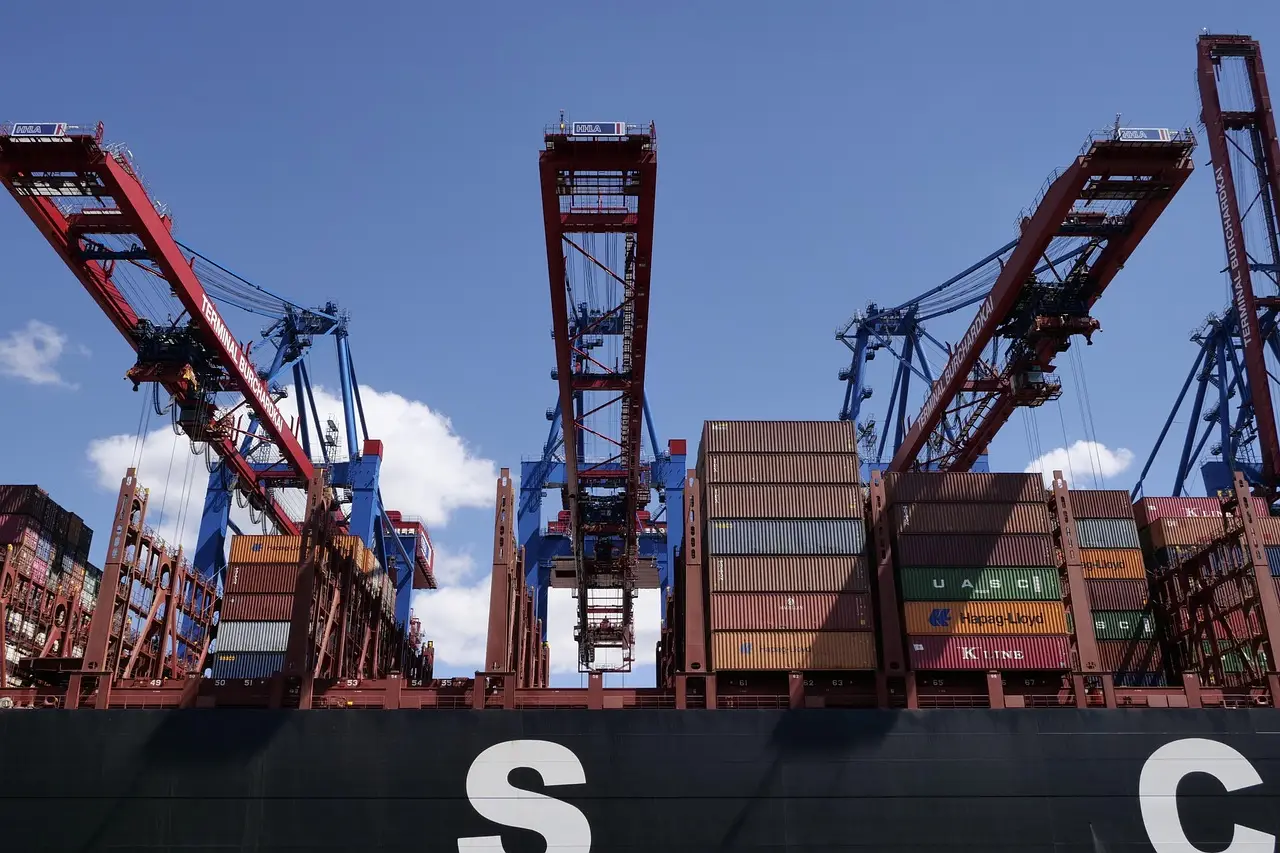
Hutchison Ports Sohar will invest $235 million in Terminal C. The company expects automated electric rubber-tyred gantry cranes and autonomous trucks to arrive at Oman’s Sohar port in 2027.
The announcement came at an event marking 20 years of Hutchison’s operations in the Sultanate of Oman. Hutchison Ports Sohar runs the facility through Oman International Container Terminal, its operating entity.
“As we speak now, Hutchison Ports is investing a further $235 million in Terminal C,” Group Managing Director Eric Ip said.
Rising cargo volumes drove the decision, according to the company. Smarter digital systems and stronger sea, road and future rail connections would support Terminal C’s development, Ip said.
The announcement gives no crane or truck count, berth-length change, capacity uplift, deployment schedule or return estimate. That leaves the commercial test simple: how many additional TEU can each dollar of capital handle, and when?
How fast is cargo growing?
By early November, Sohar had handled 1 million TEU in 2026, about 40% more than during the same period in 2025, Chief Executive Officer Anacin Kum said. More than 300,000 TEU of regional imports and exports moved through the terminal during the first 10 months of 2026. The figures measure different scopes and should not be added together.
Hutchison worked with shipping lines, logistics providers and cargo owners to route cargo through Sohar for other GCC markets. Transit and overland connections supported that push while local trade continued moving through the terminal.
“This year has shown why capacity and resilience matter,” Kum said. He also linked each container to a business, supply chain and community dependent on reliable trade.
Cumulative throughput since operations began in 2006 was expected to exceed 10 million TEU in 2026. No full-year throughput forecast or regional cargo breakdown accompanied the release. That leaves the capacity requirement less certain than the 40% year-on-year comparison suggests.
What does the investment history show?
The $235 million commitment follows more than $400 million invested by Hutchison Ports in Sohar over the past 20 years, Ip said. Hutchison signed its concession in 2005 and began operating Terminal B in 2006. It moved to the substantially larger Terminal C in 2014, although Terminal B was still less than half full, investing ahead of anticipated demand.
That move helped Sohar accommodate larger vessels and rising cargo volumes. The terminal now serves regional feeder vessels and some of the world’s largest container carriers, Ip said.
The announcement gives no berth length, depth, crane productivity or vessel classes. Without those benchmarks, the claim about accommodating larger vessels cannot become a firm call-size ceiling.
How credible is the 2030 zero target?
Hutchison is modernising Sohar with automated electric equipment. Management says the machinery will raise handling capacity and efficiency while reducing emissions.
The company targets net-zero emissions from its own operations by 2030. Its longer-term plan calls for more automation, artificial intelligence and fully electric machinery.
That wording places a boundary around the promise. The announcement provides no base-year emissions, interim reduction milestones or independent verification method. Its stated scope also does not commit ship, cargo or inland-transport emissions to the 2030 target.
Can Sohar turn geography into a routing advantage?
Sohar sits on the Sea of Oman, outside the Strait of Hormuz. Ip said that position has proved valuable as regional shipping routes change.
During 2026, the terminal worked with carriers and cargo owners on overland connections to GCC markets. Those links provided another route for goods during regional disruption.
Ip argued that resilient supply chains underpin strong economies. The announcement gives no transit volume, journey time, freight rate or cost comparison, leaving the alternative-route case in qualitative terms.
What remains uncommitted?
Omanisation at the terminal has reached about 90%, according to the executives. Omani employees now hold roles across operations and management.
Ip identified Omani and GCC trade growth and future rail connectivity as further opportunities for Sohar. He also cited stronger sea, road and future rail connections in describing the Terminal C programme.
The announcement names no rail operator, alignment, construction timetable or committed cargo volume. Future rail therefore remains an option, not a scheduled service.
The company also gives no future Omanisation target. The 90% figure shows the current workforce position, not the pace of further local hiring.
The $235 million commitment and 2027 equipment date are concrete. Capacity uplift and rail-linked cargo are not; emissions claims rest on a 2030 endpoint.
via Google News: Ports & Terminals (Source)
More from James Calloway
Show full bio
Correspondent covering technology and product news in commercial shipping for industry professionals at Vessels.
177 articles
Linked entries
- Manzanillo Moves 2.07 Million TEU, But Off-Dock Yards Won't Fix It Alone
- India Clears 2 M TEU Second Container Terminal at Kamarajar Port
- 15+ Terminal Deals in Ten Months: Carriers Buy Their Way to Berths
- CICT lifts cargo handling productivity 10% with digital upgrades
- Northwest Seaport Alliance Volumes Slide 9.6% to 2.4m TEU