PSA Antwerp Takes Delivery of 14 Kalmar Hybrid Straddle Carriers
PSA Antwerp has received 14 Kalmar hybrid straddle carriers at its Noordzee terminal, cutting per-machine emissions about 25%, as its Green Straddle Carrier programme targets climate neutrality by 2050.
Adjustments
- 14 Kalmar hybrid straddle carriers delivered to PSA Antwerp's Noordzee terminal in early November 2026.
- Hybrid carriers cut per-machine emissions by approximately 25% versus diesel; hybrid has been the purchase standard since 2021.
- Hydrogen-diesel prototype trials completed in May 2026 cut CO₂ 63–70% versus a hybrid and diesel use 73–78% versus diesel-only.
- Kalmar surpassed 1,000 hybrid straddle carriers sold worldwide in September 2026.
- PSA Antwerp targets climate neutrality by 2050 under its Green Straddle Carrier programme.
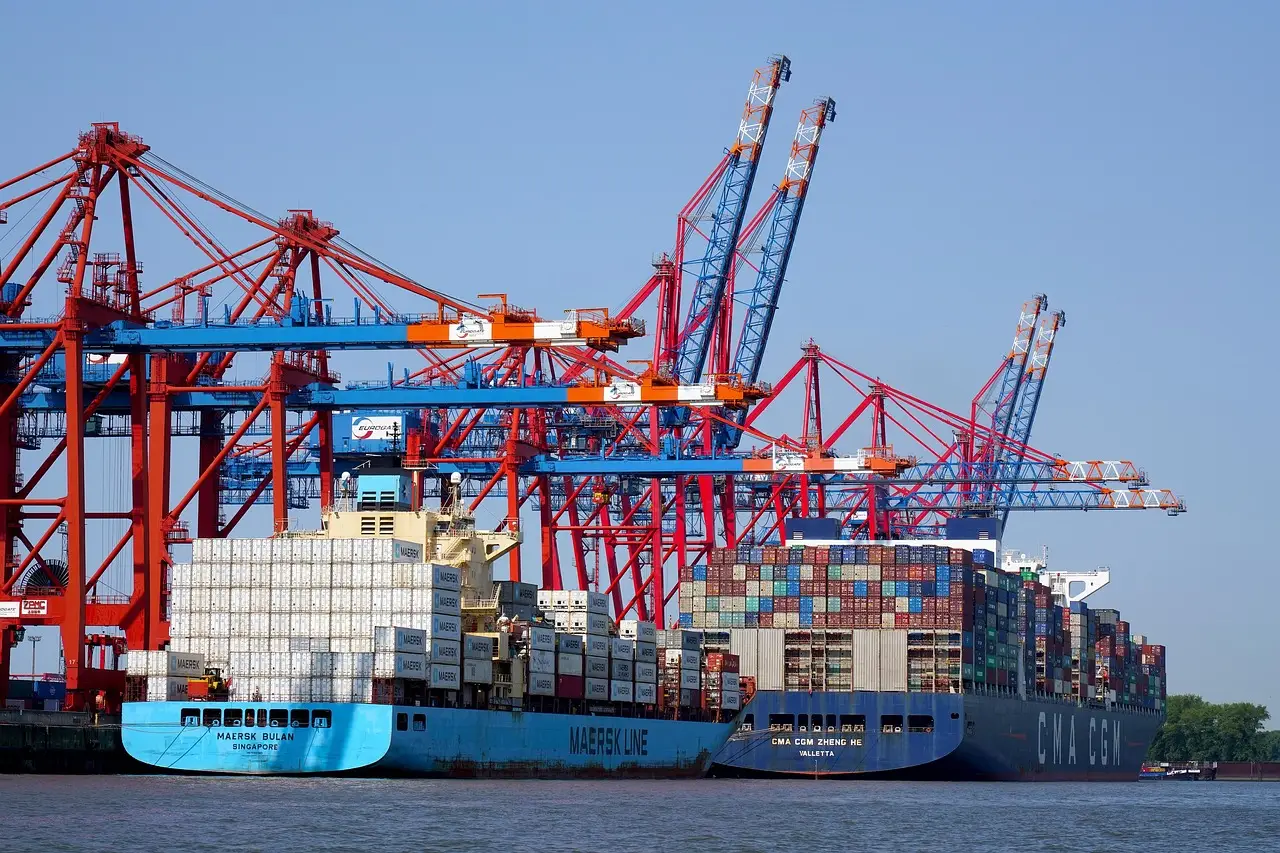
PSA Antwerp has taken delivery of 14 hybrid straddle carriers from Kalmar, landed by sea at the Port of Antwerp-Bruges in early November for deployment at the Noordzee container terminal. The machines form part of the operator's machinery renewal programme, which targets lower energy consumption and emissions across daily terminal operations.
Quay cranes at the facility unloaded the new units directly from the delivery vessel. The fleet splits evenly by stacking capability: seven machines can stack containers three high, and seven are configured for four-high stacks.
The delivery closes out a contract PSA Antwerp awarded to Kalmar in the first quarter of 2026, announced publicly on April 2. Kalmar had scheduled completion for the final quarter of the year, and the November arrival met that timetable.
How much fuel does the hybrid drivetrain save?
Each new carrier pairs a diesel engine with batteries that store and reuse energy recovered during container-handling movements. The system reduces combustion-engine running time and, with it, fuel burn and CO₂ output compared with conventional diesel equipment.
According to technical data from PSA Antwerp, hybrid straddle carriers at its facilities cut emissions per machine by roughly 25% against traditional diesel models — the equivalent of removing a quarter of each machine's carbon output. Since 2021, the operator has treated hybrid technology as the standard for all new purchases of this machinery class.
Jurgen De Wachter, PSA Antwerp's managing director of container operations, said that using hybrid straddle carriers is part of the process of modernizing terminal equipment and of the measures aimed at reducing emissions generated during daily operations.
What comes after hybrid?
The purchase feeds into the operator's environmental strategy, which targets climate neutrality by 2050. Under its Green Straddle Carrier programme, PSA Antwerp is testing multiple propulsion and energy-supply options for port machinery:
- hydrogen
- biofuels
- hybrid systems
- full electrification
The programme has already produced results. In May 2026, the company announced completed trials of a second-generation straddle carrier with dual hydrogen-and-diesel propulsion, developed from a Kalmar hybrid unit and tested at the Noordzee terminal itself.
The prototype's published numbers set a clear benchmark against both existing fleet configurations:
- CO₂ emissions fell by 63% to 70% versus a conventional hybrid straddle carrier, depending on operating conditions.
- Diesel consumption dropped by 73% to 78% against a machine powered solely by a traditional diesel engine.
How does this fit Kalmar's market position?
Kalmar passed 1,000 hybrid straddle carriers sold worldwide in September 2026, according to figures released by the manufacturer. Its product range covers hybrid and electric propulsion solutions for transporting and stacking containers at port terminals, positioning the PSA Antwerp order within a growing installed base rather than a one-off trial.
For the Noordzee terminal, the 14 units mark the latest step in a decarbonisation pathway that runs from today's 25% emission savings to a hydrogen-fuelled machine already cutting hybrid-level output by up to two-thirds.
via Google News: Ports & Terminals (Source)
More from Rebecca Stone
Show full bio
News editor covering people, launches and day-to-day practice in commercial shipping for industry professionals at Vessels.
128 articles
Linked entries
- Iceland’s first electric reach stacker enters service at Sundahöfn
- EU's 350,000-unit cap on Chinese hybrids threatens FVL volumes
- Fujian Shipbuilding Starts Three Hulls and Launches a Barge in 48 Hours
- ABB wins order to power third WSF hybrid-electric ferry newbuild
- Rijeka picks Končar for 17.5 MW shore power at two terminals