Iceland’s first electric reach stacker enters service at Sundahöfn
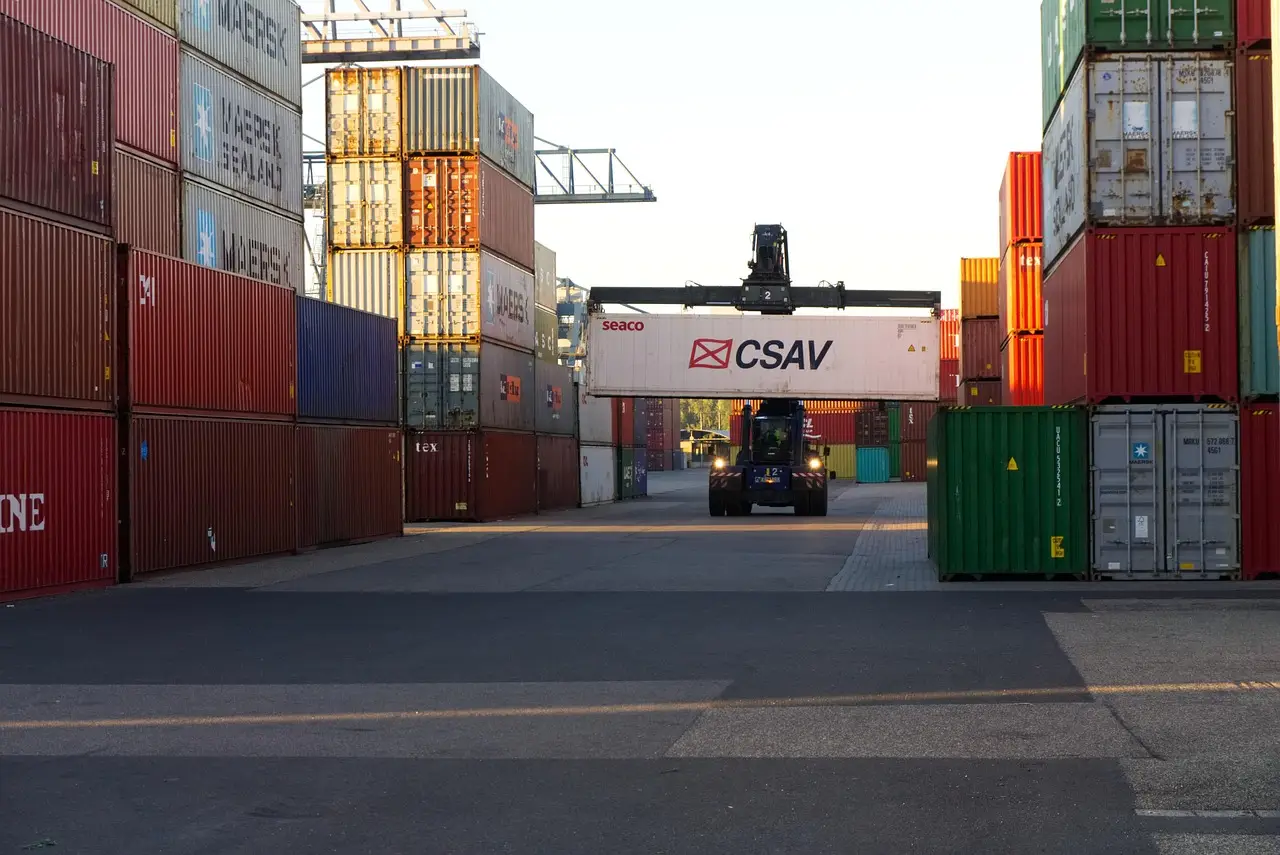
Eimskip has introduced Iceland’s first electric reach stacker at Sundahöfn. The Kalmar unit offers up to 10 hours per charge, an 80-minute recharge and zero direct CO₂ emissions.
Adjustments
- November 12, 2026: Kraftvélar delivered the Kalmar-built electric reach stacker during Eimskip’s handover at Sundahöfn.
- Kalmar’s diesel benchmark is approximately 132 tonnes of CO₂ annually; the electric unit produces zero direct operating tonnes.
- The electric reach stacker offers up to 10 hours per charge and an approximately 80-minute recharge from 20% to full.
- Eimskip’s net-zero emissions target is 2040.
Eimskip has introduced Iceland’s first electric reach stacker (a terminal vehicle for lifting and moving containers) at Sundahöfn, with up to 10 hours of operation per charge and no direct carbon dioxide (CO₂) emissions. The Kalmar-built machine supports Eimskip’s net-zero emissions target for 2040 and forms part of the shipping and logistics company’s ongoing fleet-renewal programme.
What changed at Sundahöfn?
Kraftvélar, Kalmar’s official dealer in Iceland, delivered the unit during a handover ceremony on November 12, 2026. The deployment brings electric container-handling technology to a segment of Iceland’s port operations that has traditionally relied on diesel equipment.
How long can the battery support operations?
Eimskip says the reach stacker can operate for up to 10 hours on a single charge. Recharging from 20% to full capacity takes approximately 80 minutes. The disclosed replenishment cycle therefore provides a defined 80-minute charging window, rather than a complete depletion-to-full recharge time.
Together, the two specifications give terminal planners a basis for placing charging periods around container workloads and required working hours. Actual endurance will depend on lifting intensity, equipment utilisation and working conditions, Eimskip said. The 10-hour claim is a maximum, not an unconditional shift length.
What does the zero-emissions claim cover?
Kalmar estimates, cited by Eimskip, put the annual carbon dioxide output of a conventional diesel-powered reach stacker at approximately 132 tonnes. The electric replacement produces no direct CO₂ during operation.
That comparison covers direct operating emissions only. The electric machine’s overall environmental impact also depends on electricity generation, equipment manufacturing and battery production, so the zero direct-emissions figure does not represent its full environmental footprint.
For terminal managers, the disclosed comparison is:
- Diesel reach stacker: approximately 132 tonnes of CO₂ per year.
- Electric reach stacker: 0 tonnes of direct CO₂ during operation.
- Operating time: up to 10 hours per charge.
- Recharge time: approximately 80 minutes from 20% to full.
Eimskip’s wording keeps the emissions claim narrow. It identifies no direct CO₂ from the electric unit’s operation, while acknowledging three external factors behind its wider footprint. Any comparison with a diesel machine beyond operating emissions must account for those factors rather than treat the machines as environmentally identical.
Kalmar’s 132-tonne estimate concerns one conventional reach stacker, not Sundahöfn’s entire equipment fleet. It provides a unit-level benchmark for the equipment change without quantifying a terminal-wide reduction. Fleet planners assessing the wider environmental case must still include electricity generation, manufacturing and battery production alongside direct operating emissions.
Who accepted the Kalmar reach stacker?
Guðmundur Ágúst Aðalsteinsson, senior manager at Sundahöfn Terminal, formally received the reach stacker from Kraftvélar. Agla Huld Þórarinsdóttir, Eimskip’s sustainability manager, performed the ribbon-cutting ceremony.
What must terminal operators plan around?
For terminal operators, the practical test is whether battery-powered equipment can maintain the working hours required for continuous container handling. Electric reach stackers require dedicated charging infrastructure, unlike conventional diesel machines. They also need operational planning to fit charging into cargo-handling schedules.
The 80-minute recharge gives planners a defined window between 20% and full charge. Eimskip’s figures establish that window and the unit’s maximum stated endurance, while workload intensity and working conditions will shape actual performance. Managers must still reconcile charging periods with the terminal’s operating requirements.
The deployment comes as port and terminal operators assess electric alternatives across cargo-handling fleets. That assessment includes reach stackers, terminal tractors and other equipment used in container yards. For Eimskip, the Kalmar machine links fleet renewal with the company’s 2040 target and makes charging infrastructure and schedule integration part of the equipment decision.
via Google News: Ports & Terminals (Source)
More from Sophie Lindqvist
Show full bio
Market editor covering technology and product news in commercial shipping for industry professionals at Vessels.
65 articles
Linked entries
- Rijeka picks Končar for 17.5 MW shore power at two terminals
- World Bank: terminals at 72.2% utilisation, already past congestion line
- Japan’s proposal could dilute IMO’s $15bn Net-Zero Framework
- Boluda agrees Samskip deal, targeting 32-vessel short-sea network
- 15+ Terminal Deals in Ten Months: Carriers Buy Their Way to Berths