Patimban terminal sets 800,000-TEU target with 12 new cranes
Patimban Global Gateway Terminal will add three STS and nine electric RTG cranes by end-December 2026, lifting annual handling capacity from 250,000 to about 800,000 TEUs.
Adjustments
- PGT targets about 800,000 TEUs of annual handling capacity, up from around 250,000 TEUs.
- Three STS cranes and nine e-RTGs are scheduled to enter service by the end of December 2026.
- The crane package is expected to add 600,000 TEUs of annual handling capacity.
- PGT has a 420-metre quay and a 14-metre draft and began container operations in 2026.
- Consortium stakes are AGL 45%, Toyota Tsusho 34% and Samudera Pelabuhan Indonesia 21%.
Rebecca Stone
Patimban Global Gateway Terminal (PGT) in West Java, Indonesia, will target approximately 800,000 TEUs (twenty-foot equivalent units) of annual container handling after three ship-to-shore (STS) cranes and nine electric rubber-tyred gantry (e-RTG) cranes enter service by the end of December 2026.
The new equipment, announced by Africa Global Logistics (AGL), is expected to add 600,000 TEUs of annual handling capacity. That would take PGT from around 250,000 TEUs to approximately 800,000 TEUs, allowing planned capacity to reach more than three times its present level.
The commissioning schedule links the 600,000-TEU addition to a dated delivery window, with the three STS and nine e-RTG cranes due in service by the end of December.
What will the 12 cranes do?
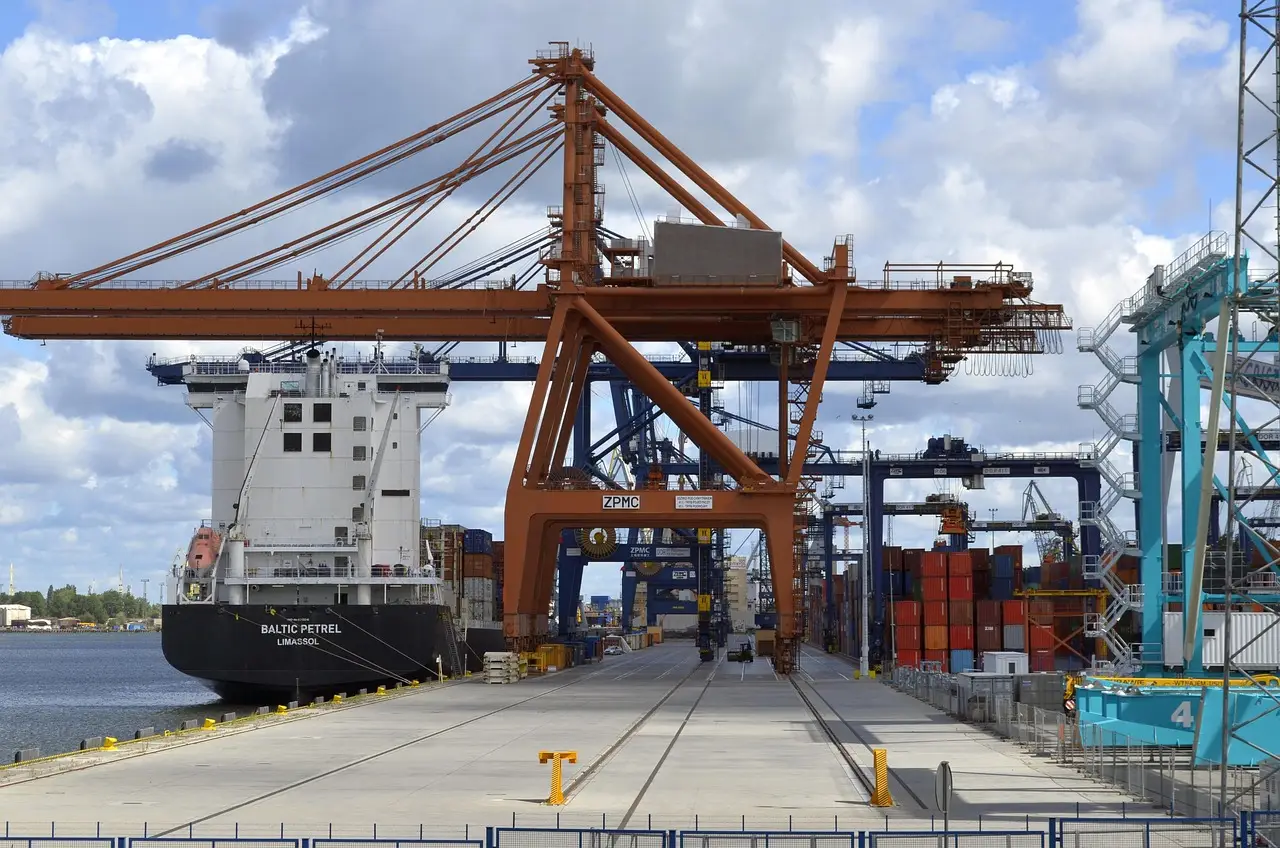
The three STS cranes will load and unload containers between ships and the quay. The nine e-RTGs will move containers and support stacking in the terminal yard. The allocation gives the project one operating chain from vessel transfer through yard handling.
The use of electric yard cranes will also support PGT's move toward more energy-efficient cargo handling. For terminal operators, the package adds transfer capacity at the quay and electric movement capacity in the yard.
For planners, the package is more specific than the headline target: three cranes define the vessel-to-quay step, nine e-RTGs define the yard step, and December 2026 sets the announced service date.
What changes for cargo owners?
The investment forms part of PGT's expansion programme to develop Patimban as an international container gateway for Indonesia's manufacturing and export sectors.
Located in Subang, West Java, the terminal sits close to regional industrial centres, including automotive and manufacturing clusters. Patimban is being developed to provide an additional maritime gateway for businesses in West Java alongside existing port infrastructure serving the Greater Jakarta region.
The expanded capacity is expected to give importers and exporters additional container-handling options, improve port operations and support growing trade volumes.
What does PGT offer today?
PGT currently has annual handling capacity of about 250,000 TEUs, a 420-metre quay and a draft of 14 metres. The terminal began container operations in 2026.
Those four measures establish the operating baseline against which terminal users can assess the announced 600,000-TEU expansion.
Who operates PGT?
PGT is operated by a consortium comprising AGL, Toyota Tsusho Corporation and Samudera Pelabuhan Indonesia.
- AGL: 45%
- Toyota Tsusho Corporation: 34%
- Samudera Pelabuhan Indonesia: 21%
The equipment announcement comes from AGL, the consortium's largest shareholder at 45%. Ownership remains split among the three partners, with Toyota Tsusho at 34% and Samudera Pelabuhan Indonesia at 21%.
How does the expansion fit Indonesia's port strategy?
The investment also strengthens Patimban's role in Indonesia's wider port-development strategy and its effort to improve logistics connectivity for industrial areas. It advances the terminal's stated function as an international gateway for manufacturing and export cargo.
For shipping and terminal stakeholders, three elements define the delivery package: 12 cranes, 600,000 TEUs of added annual capacity and service by end-December 2026. Together they support the approximately 800,000-TEU target, with the present 250,000-TEU base defining the starting point.
The next dated milestone is the scheduled entry of three STS cranes and nine e-RTGs into service by the end of December 2026.
via Google News: Ports & Terminals (Source)
More from Rebecca Stone
Show full bio
News editor covering people, launches and day-to-day practice in commercial shipping for industry professionals at Vessels.
180 articles
Linked entries
- India approves ₹4,288.26 crore Kamarajar terminal for 2 million TEU
- Durban Gateway races 20-day backlog with crane repairs and 70-unit fleet order
- Cabinet approves 2m TEU Kamarajar terminal in Rs 4,288 crore PPP
- Mindanao Container Terminal adds 300m of berth by 2028
- Posorja terminal expands to 800m berth and 1.4m TEU capacity