US Warplanes Strike IRGC Missile Site on Qeshm as Hormuz Clashes Escalate
US warplanes struck an IRGC missile site on Qeshm Island near the Strait of Hormuz on Tuesday. Brent nears $94 as Iran steps up attacks on commercial vessels and mediation shows no progress.
Adjustments
- US warplanes struck an IRGC missile launch site on Qeshm Island on Tuesday, November's second US attack on the island this month.
- Brent crude rose toward $94 a barrel, up more than 50% year to date.
- Iran attacked Bahrain for the third time in under a week; Iranian attacks on commercial vessels have increased.
- Parliamentary speaker Ghalibaf warned Iran would hit civilian infrastructure near US and Israeli bases if Washington does.
- Qatar, the main mediator, met Iranian representatives on Tuesday with no compromise on the blockade or nuclear file in sight.
By Sophie Lindqvist, Vessels
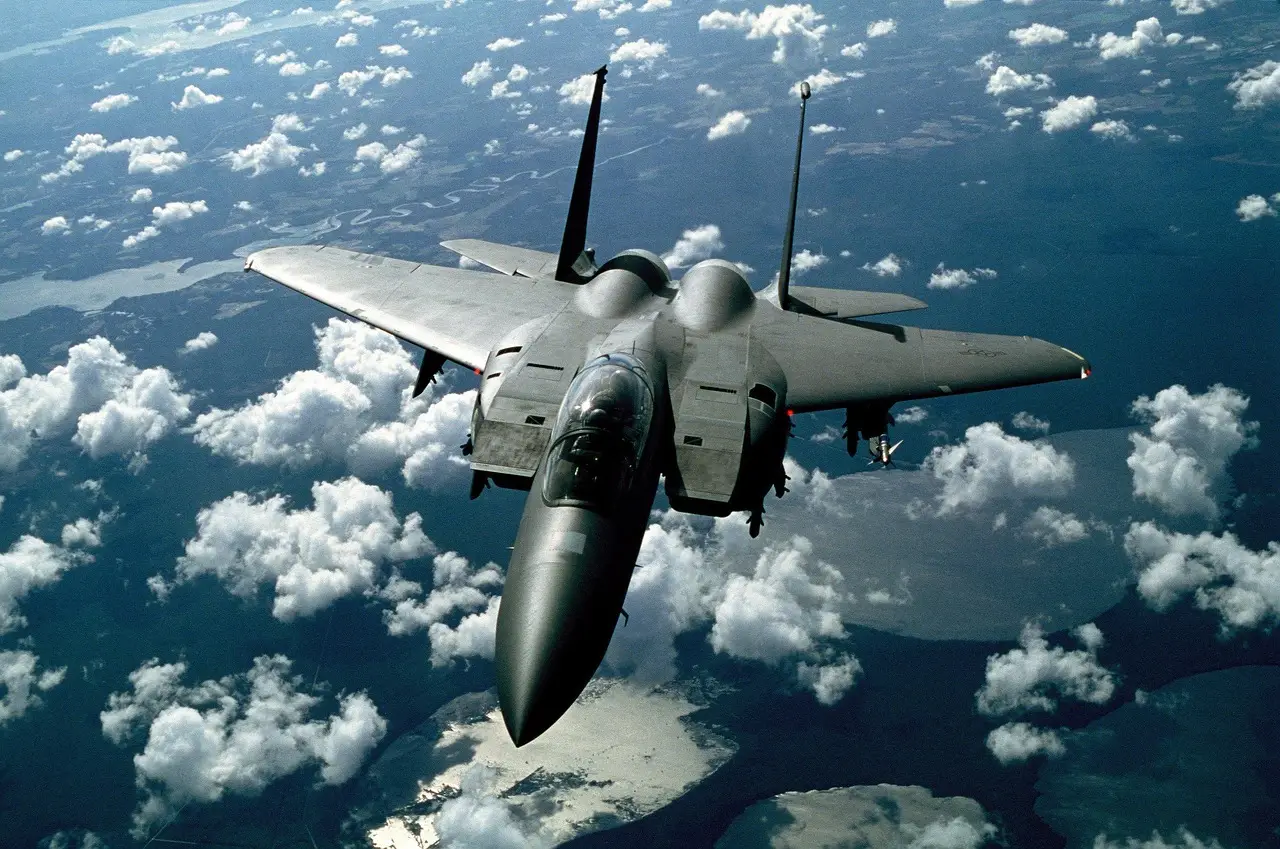
US warplanes hit an Islamic Revolutionary Guard Corps missile launch site on Qeshm Island on Tuesday, an American military official said, in the latest tit-for-tat exchange of a conflict that's now spilling directly onto commercial shipping lanes near the Strait of Hormuz.
The official, who declined to be named, said the strike responded to Iranian aggression targeting US personnel and assets. Iran's semi-official Mehr News Agency reported that US forces struck several locations on Qeshm and that the attacks caused no casualties or damage to critical or public-service infrastructure.
For shipowners and operators, the significance is geographic as much as military. Qeshm lies off Iran's southern coast beside the Strait of Hormuz, the chokepoint for oil and gas transit that has been the focal point of the standoff. The US launched limited attacks on the island earlier this month, describing them as defensive and designed to help energy tankers and other vessels pass through the strait safely.
What's driving the escalation?
Tuesday's bombing followed the third Iranian attack on Bahrain in less than a week. President Donald Trump separately said the US is investigating a report on potential Iranian plans to target Washington.
The bigger red flag for tonnage owners: increased Iranian attacks on commercial vessels. That uptick, alongside the strikes on Bahrain and Qeshm, points to an intensification of the low-grade clashes that have persisted throughout the stalemate between Washington and Tehran.
Becca Wasser, defense lead for Bloomberg Economics, framed the risk plainly: "For both the US and Iran, there's an operational rationale for their strikes, from reducing threats to their ability to operate in the Strait of Hormuz."
"But we've seen throughout this conflict the mismatch between operational objectives and political realities, where tit-for-tat strikes quickly escalate," she said.
Is there any path to de-escalation?
Not visibly. Neither side has shown willingness to compromise on an issue that might open the way to resolution, such as lifting the US naval blockade or Iranian concessions on its nuclear program. Qatar, the main mediator between Washington and Tehran, was due to meet Iranian representatives on Tuesday as part of a long-running effort to find a diplomatic off-ramp.
The rhetorical track is also hardening. Mohammad Bagher Ghalibaf, Iran's parliamentary speaker and lead negotiator with the US, warned on Tuesday that Tehran would retaliate against civilian infrastructure near US and Israeli bases if Washington did the same. His comments followed a New York Times report that water infrastructure sites in Iran "may have been developed to support the country's military buildup."
"This amounted to prepping the next round on civilian" infrastructure, Ghalibaf said. "We'll apply your logic consistently and even-handedly."
That warning is standard Iranian response to any perceived US escalation, but it lands at a moment when merchant shipping is already taking hits. Owners transiting Hormuz should treat civilian-adjacent infrastructure on both sides as potential targets in the next exchange.
What are markets doing?
Oil prices gained on the fresh flareups. Brent crude rose toward $94 a barrel, still up more than 50% for the year. The rally reverses part of a plunge that followed the Republican defeat in the US midterm elections earlier this month.
For charterers, that repricing feeds straight into bunker costs and voyage economics on Gulf-bound liftings. War-risk premia for Hormuz transits have been the operational reality of this conflict since its start, and each escalation cycle — Qeshm included — tightens that market further.
What should operators watch next?
Three signals matter for anyone running vessels through the Gulf:
- Further strikes on Qeshm or the strait's approaches. The US has now struck the island twice this month, both times framing the action around keeping tankers moving.
- Iranian retaliation against civilian or commercial targets. Ghalibaf's statement puts infrastructure near US and Israeli bases explicitly in scope.
- The Qatari mediation track. Tuesday's meeting in Doha's long-running effort is the only visible diplomatic channel, and its failure would likely confirm escalation as the baseline.
The core problem for shipping hasn't changed: the operational logic both sides cite — controlling access and freedom of movement in the Strait of Hormuz — is exactly the logic that puts merchant tonnage in the crossfire. As Wasser noted, tit-for-tat strikes have quickly escalated before, and there's no structural brake on that pattern now.
Neither the blockade nor the nuclear file shows movement. Until one does, each strike cycle raises the odds that the next incident involves a commercial hull rather than a missile battery.
via mehrnews.com (Original)
More from Sophie Lindqvist
Show full bio
Market editor covering technology and product news in commercial shipping for industry professionals at Vessels.
31 articles
Linked entries
- Hormuz Tanker Strikes Leave Two Missing as Boxships Stay Untouched
- ADNOC L&S Vessel Attacked in Strait of Hormuz, One Crew Member Missing
- Suezmaxes and Aframaxes Top 2 Million bpd in Hormuz War Trade
- Iran's Hormuz blacklist hits 130 shuttle tankers, not the barrels
- CENTCOM Widens Iran Blockade to Ship-to-Ship Cargo Receivers