Suezmaxes and Aframaxes Top 2 Million bpd in Hormuz War Trade
Mid-size tankers carried over 2 million bpd through Hormuz in October, pushing Gulf exports to 11.4 million bpd as Iranian attacks sideline VLCCs. Suezmax rates now run at a third to a half of VLCC benchmarks.
Adjustments
- Suezmax and Aframax shipments through Hormuz exceeded 2 million bpd in October, a wartime high per Vortexa.
- Overall Hormuz exports hit 11.4 million bpd in October, the highest since the US-Iran conflict began.
- VLCCs make up 72% of Hormuz transits but carry up to 2 million barrels each, per BRS Shipbrokers.
- Suezmax Persian Gulf–China rates assess at a third to just under half the VLCC benchmark.
- Russia's October crude and product export revenues hit a five-month high, per the IEA.
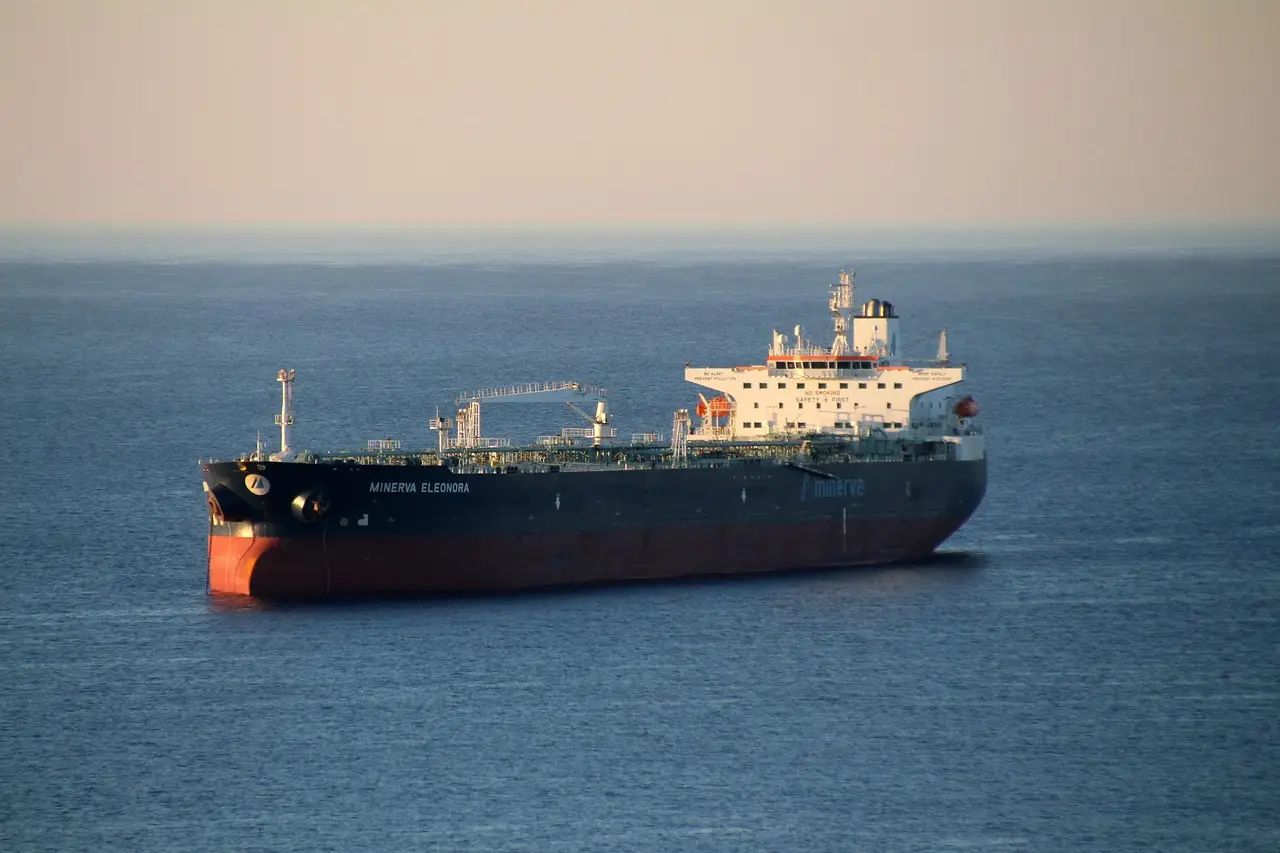
Suezmaxes and Aframaxes moved more than 2 million barrels a day through the Strait of Hormuz in October, a wartime high, as owners worked around an Iranian campaign that has knocked supertankers out of the trade. Vortexa's tracking puts overall exports through the waterway at 11.4 million bpd last month — the highest since the US-Iran conflict began.
The arithmetic is blunt. VLCCs still account for 72% of vessels transiting Hormuz, according to BRS Shipbrokers, and each can lift up to 2 million barrels. But they've become the preferred target of Iranian attacks, and enough hulls have left service that the trade has had to re-rig itself around tonnage that carries less than half a VLCC's cargo.
Shipbrokers and traders say the mid-size segment has kept Gulf exports robust. The Suezmaxes and Aframaxes mostly load Iraqi, Kuwaiti and Qatari crude, then either conduct ship-to-ship transfers east of Hormuz in the Gulf of Oman or run direct to discharge ports — often in India.
Who's actually doing it?
Ship-tracking data shows the Suezmax Lucia A among the first movers. Since June it has lifted at least four Iraqi cargoes, discharging either to vessels waiting in the Gulf of Oman or at Ain Sukhna, the Egyptian Red Sea port. Earlier this month it loaded a fifth Iraqi shipment.
The Suezmax Ture collected its third Iraqi cargo last week. Before the war trade, the vessel carried crude from Russia's western ports to India — a run that stays legal provided the oil complies with the G7 price cap.
The Marshall Islands-based owner of Lucia A couldn't be reached. The ship's safety manager in Shanghai and Ture's manager in Greece didn't respond to emailed requests for comment. Draw your own conclusions.
What does it cost?
Freight, counterintuitively, favours the small ships. VLCC rates have risen far faster than mid-size rates since the war started, so a Suezmax running the Persian Gulf–China route now costs around a third to just under half of the published VLCC benchmark for the same voyage, according to shipbroker assessments. Less cargo per lift, considerably less than half the bill. Operators with flexible programs have noticed.
The other beneficiary
The rerouted trade sits inside a broader price effect. The International Energy Agency reported that Russia's October revenues from crude and product exports reached a five-month high, the strongest since May, as war-driven crude prices lifted the whole market.
The verdict, then: mid-size tankers are doing the heavy lifting the supertankers can no longer safely perform, and getting paid handsomely — relatively — to do it.
via bloomberg.com (Original)
More from Amara Osei
Show full bio
Senior reporter covering technology and product news in commercial shipping for industry professionals at Vessels.
47 articles
Linked entries
- Iran's Hormuz blacklist hits 130 shuttle tankers, not the barrels
- Hormuz Tanker Strikes Leave Two Missing as Boxships Stay Untouched
- Clean-product tanker rates slide as Hormuz transits fall to 14 ships
- US LNG Tankers Turn Away From Egypt as Europe Pulls Cargoes
- Suez Traffic Bounces Back, But 3.6 Million TEU Still Stuck in Port Queues