Tanker Loads Iranian Crude in Gulf, Eyeing First Export Since July
An unsanctioned tanker loaded Iranian crude by STS in the Gulf on November 19 — potentially the first export past the US blockade since July 14. September saw zero loadings for the first time since 1979.
Adjustments
- STS transfer of Iranian crude spotted in the Persian Gulf on November 19, 2026 — potentially the first export since mid-July
- US reinstated its blockade on Iranian ports on July 14; no Iranian crude cargo has crossed toward China since
- September 2026 saw zero Iranian crude and condensate loadings, a first since the 1979 Islamic Revolution
- A November 18 US military notice extends the blockade to ships receiving cargoes at sea
- CENTROM says 150 merchant vessels redirected and five disabled since June
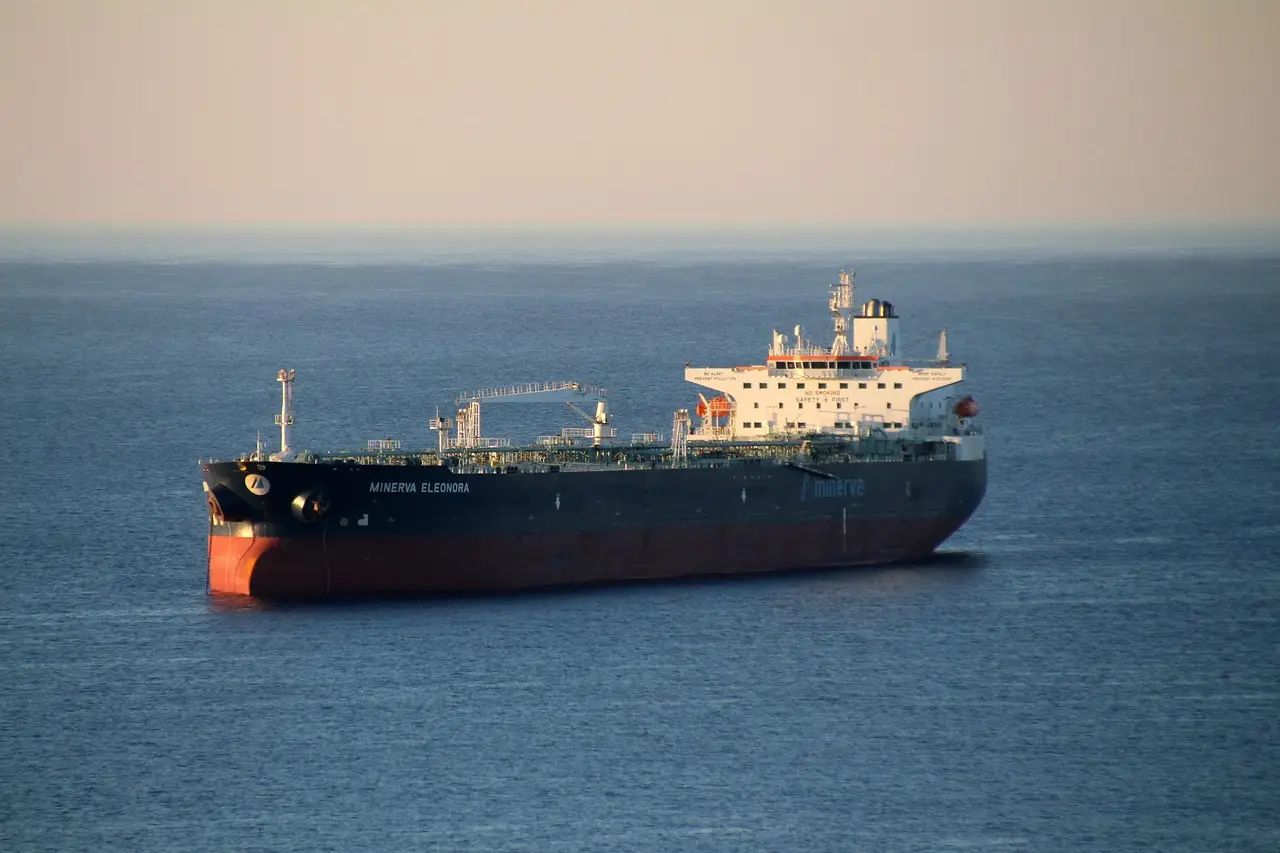
An unnamed tanker took Iranian crude aboard via ship-to-ship transfer in the Persian Gulf on November 19, 2026 — and if it clears the US naval blockade, it will carry the first Iranian seaborne crude export since mid-July.
Ship-tracking analysts caught the transfer while it was still underway. Their read: this becomes the first successful seaborne export of Iranian crude since mid-July only if the tanker actually leaves the blockade perimeter. Departure remains unconfirmed, and no destination has surfaced for the cargo.
The vessel matters here. It carries no US Treasury sanctions and slipped into the region without drawing attention — which is precisely the profile a blockade runner wants. In a sanctions game, the boring ship is the dangerous one.
How dry has Iran's export trade run?
Very. The US reinstated its blockade on Iranian ports on July 14, and tanker-tracking data shows no new Iranian crude cargo has crossed the blockade line toward China — Iran's main oil buyer — since then.
September was worse. Iran loaded no crude and no condensate that month, the first full month without loadings since the 1979 Islamic Revolution. For a petrostate, that is not a slowdown. That is a stopped clock.
What happened off Kharg Island?
Earlier in the week, in a separate case, the US-sanctioned Suezmax Olym transferred oil to the MR tanker Hao Fan just south of Kharg Island. Both ships went dark — transponders off — during the operation.
A US-based group monitoring Iranian shipping, UANI, called it the first observed transfer since the blockade's reinstatement. It also poured cold water on the economics: Hao Fan took on roughly 200,000 barrels, too little for an export voyage to make commercial sense.
Is the noose tightening or loosening?
Both, awkwardly. On November 18 the US military issued a notice widening the blockade to target ships receiving cargoes at sea — closing, in effect, the STS loophole the Kharg Island transfer just demonstrated.
US Central Command said in a November 11 social media post that its forces have redirected 150 merchant vessels and disabled five since June. That is the enforcement scoreboard.
Iran's side talks bigger. A media outlet affiliated with the Revolutionary Guards claimed, unofficially, that dozens of Iranian tankers are preparing to sail for China, and that Tehran has warned regional governments it would go to war if the US attacks Iranian tankers bound for China. Unofficial, yes. Also the loudest signal yet that Tehran considers the pressure unsustainable.
So the bet on the table: one unsanctioned tanker, one unconfirmed departure, and a blockade that now covers the cargo, not just the port. Watch the perimeter.
via Marine Insight (Source)
More from Amara Osei
Show full bio
Senior reporter covering technology and product news in commercial shipping for industry professionals at Vessels.
124 articles
Linked entries
- Sanctioned Suezmax Olym Offloads 200,000 Barrels at Sea as US Widens Blockade
- Iran's Hormuz blacklist hits 130 shuttle tankers, not the barrels
- CENTCOM Widens Iran Blockade to Ship-to-Ship Cargo Receivers
- CENTCOM Warning: STS Transfers of Iranian Cargo Now Risk Seizure
- Brent back above $92 as Trump weighs new Iran strikes