CENTCOM Warning: STS Transfers of Iranian Cargo Now Risk Seizure
CENTCOM's November 18 update says ships receiving Iranian cargo via STS transfer can be boarded or seized, even without entering Iranian waters. JMIC advisory 017-26 explains the risks.
Adjustments
- CENTCOM update of November 18, 2026 treats STS receipt of Iranian-loaded cargo as blockade evasion, regardless of the receiving ship's ports of call.
- JMIC advisory 017-26 warns non-compliance can escalate to disabling or destructive fire.
- Current blockade enforcement began July 14; the first blockade ran from April 13 until June.
- Vessels must keep 30 nautical miles from U.S. warships in the blockade area.
- Iran's crude exports have been near standstill for months, though LPG and jet fuel cargoes still left Iran since July.
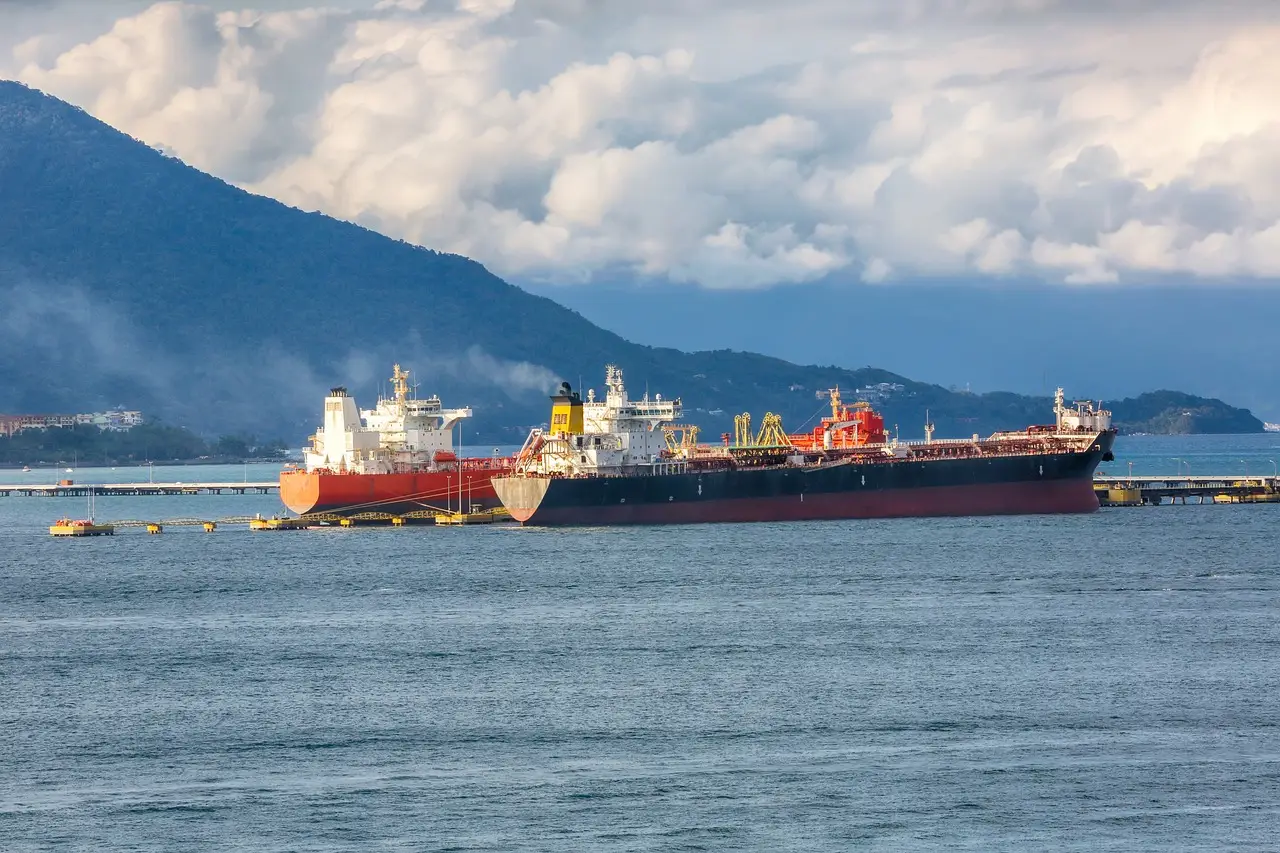
Ships that receive Iranian-loaded cargo at sea can now be stopped, boarded or seized under a U.S. Central Command update issued on November 18, 2026. The receiving vessel counts as a blockade-runner even if it has never called at an Iranian port or entered Iranian coastal waters.
That is the core of advisory note 017-26, shared with shipowners and seafarers by the Joint Maritime Information Centre (JMIC). For anyone running tonnage anywhere near the Gulf, it changes the arithmetic on ship-to-ship transfers: the cargo's origin, not the ship's track record, now decides liability.
What does the new guidance authorize?
Under the update, U.S. forces can board and capture ships involved in STS transfers of Iranian-loaded cargo — or divert them to the Iranian port where the cargo was first loaded. The blockade covers every Iranian port, the entire Iranian coastline and Iran's oil terminals, and it applies to ships of all flags.
Enforcement comes with teeth. Vessels that fail to promptly obey lawful directions from blockade or boarding teams face measures that may include the use of force under applicable law. The advisory warns that any delay in compliance could quickly escalate to disabling or destructive fire, and it asks masters to take special care so crews are not endangered during enforcement actions.
One practical instruction stands out for bridge teams: vessels crossing the blockade area should stay 30 nautical miles away from U.S. warships to avoid being mistaken for a threat.
How did we get here?
The U.S. first imposed a naval blockade on Iran-related oil exports on April 13, then lifted it in June after reaching a draft understanding with Iran. When that deal collapsed, the blockade returned; enforcement of the current version began on July 14.
Not everything is shut. Humanitarian cargoes — food and medical supplies — can still enter Iran after vetting and inspection by the U.S. Navy. Neutral ships can keep transiting the Strait of Hormuz to non-Iranian destinations, though they remain subject to search.
Is the squeeze actually working?
Partly. Shipping and security sources said in October that some LPG and jet fuel cargoes have still left Iran since July. Crude exports are another story: shipping sources say they have stayed close to a standstill for months.
The risk picture is not calming down either. JMIC has kept the regional maritime security threat level at severe and expects more hostile activity in the Gulf and the Strait of Hormuz.
So the message to masters is blunt. Take Iranian-origin cargo over the rail mid-water and you may lose the ship — no Iranian port call required.
via Marine Insight (Source)
More from Amara Osei
Show full bio
Senior reporter covering technology and product news in commercial shipping for industry professionals at Vessels.
88 articles
Linked entries
- CENTCOM Widens Iran Blockade to Ship-to-Ship Cargo Receivers
- CENTCOM threatens ship-to-ship transfers tied to Iran oil blockade
- Iran's Hormuz blacklist hits 130 shuttle tankers, not the barrels
- 1,100 Ships Hit by Navigation Interference as War Risk Map Redrawn
- Hormuz Tanker Strikes Leave Two Missing as Boxships Stay Untouched