K Line Ohi terminals earn Tokyo's first CNP certification at Level 4++
Ohi Container Wharf terminals 1 and 2 in Shinagawa-ku take CNP Certification at Level 4++, the second-highest grade on MLIT's five-level scale, with 92% of RTGs now hybrid.
Adjustments
- Ohi Terminals No. 1 and No. 2 rated Level 4++, the second-highest of five levels, under MLIT's CNP scheme
- First CNP certification for a port in Tokyo and the first for the K Line Group
- 92% of rubber-tired gantry cranes are hybrid container handling cranes; 100% of gantry cranes are inverter controlled; yard lighting 100% LED
- Terminals leased by Kawasaki Kisen Kaisha and operated by consolidated subsidiary Daito Corporation
- Certificates presented November 26 at MLIT's Kanto Regional Development Bureau
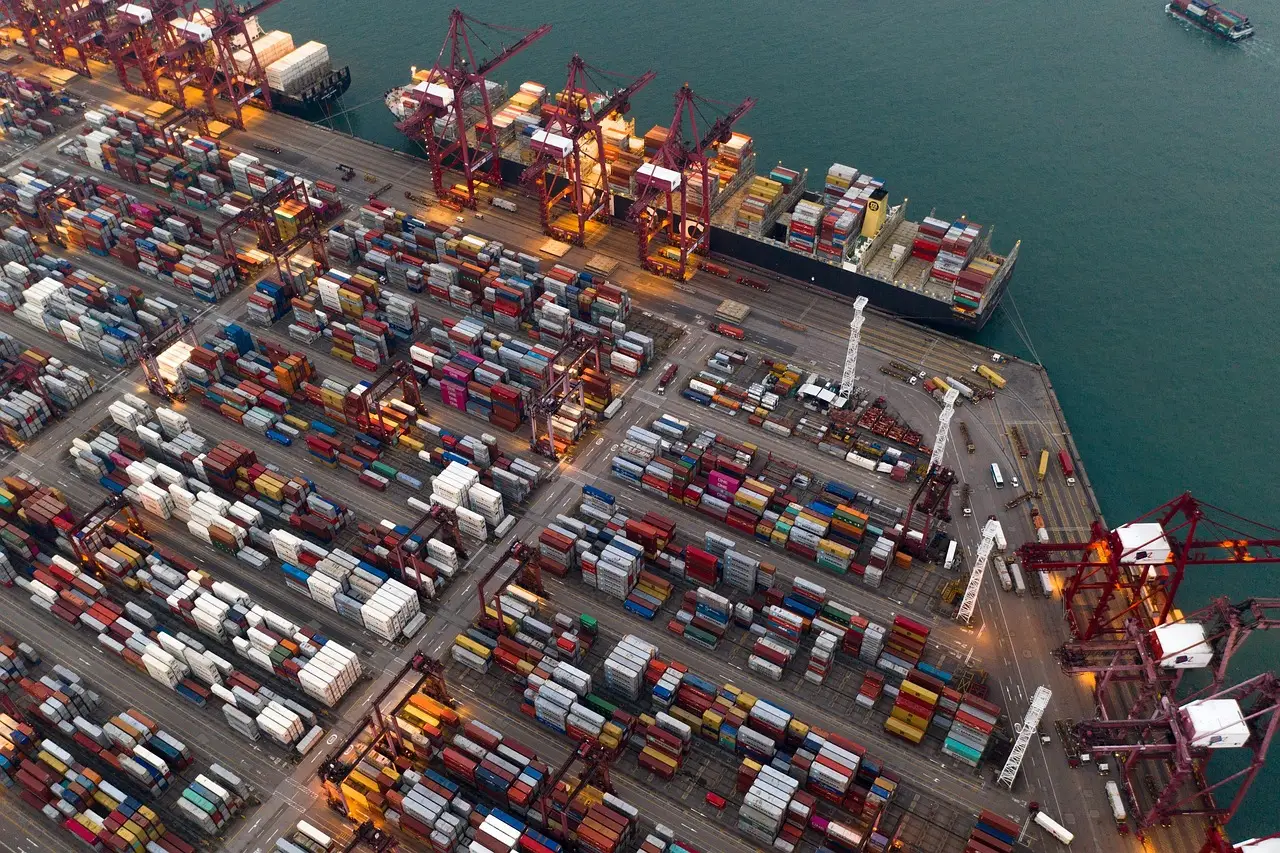
K Line's Ohi Container Wharf terminals 1 and 2 in Shinagawa-ku, Tokyo, have taken the city's first Carbon Neutral Port certification, graded Level 4++ on MLIT's five-level scale.
The award is the first CNP certification for a Tokyo port and the first the "K" LINE Group has secured anywhere. It came from the Ports and Harbours Bureau of the Ministry of Land, Infrastructure, Transport and Tourism.
Terminals No. 1 and No. 2 are leased by Kawasaki Kisen Kaisha ("K" LINE) and operated by Daito Corporation, the group's consolidated subsidiary. Daito Corporation was the applicant on the certificate, so the filing sits with the operator rather than the lessor.
Who built the 4++ score?
Four organizations collaborated on the certification: Daito Corporation, "K" LINE, the Tokyo Metropolitan Government Bureau of Port and Harbor, and Tokyo Port Terminal Corporation. Their contributing measures:
- 100% of gantry cranes are inverter controlled.
- 92% of rubber-tired gantry cranes are energy-saving hybrid container handling cranes.
- 100% of yard lighting is LED.
- An incentive program for environmental-performance vessels.
- A gate reservation system.
- Gates open early each morning, so trucks deliver and collect containers within a single entry and exit cycle.
That last measure targets road congestion around the wharf. The terminals credit the early opening with letting a truck deliver and pick up in one visit, cutting queue time at the gate. The release publishes no truck turnaround figure to test it.
What does Level 4++ actually mean?
The CNP scheme objectively rates container terminals from Level 1 to Level 5, judging decarbonization efforts rather than vessel emissions or cargo volumes. Level 4++ is one step below the top grade. At 92% hybrid coverage, the RTG fleet still leaves roughly one in twelve rubber-tired gantry cranes running on conventional power at these terminals. Nothing in the certification tells a charterer how many TEU move through Ohi or how quickly a ship turns.
Where is the evidence?
The certificate was presented on November 26 at the Kanto Regional Development Bureau of the Ministry of Land, Infrastructure, Transport and Tourism, with Daito as applicant and three joint contributors. The release dates the ceremony to November 26 without giving a year.
What the release does not contain matters as much as what it does. There is no capital cost for the inverter drives, hybrid conversions or LED yard, and no baseline energy consumption or measured emissions cut. Nor is there a berth productivity figure, a timetable for Level 5, or terms behind the incentive for environmental-performance vessels.
Every performance figure is a percentage, which hides the size of the operation. The reader learns that every gantry crane is inverter controlled, but not how many gantries work Ohi Terminals No. 1 and No. 2. Berth lengths, berth counts and annual TEU are all absent, so nobody can size the savings the grade implies.
What does K Line do next?
The group develops and operates the DRIVE GREEN NETWORK system to push environmental management, tracking its long-term policy, "K" LINE Environmental Vision 2050: Blue Seas for the Future. "K" LINE said in the announcement: "will continue to contribute to the development of CNP where the Group operates, while continuing to support the decarbonization of society." That is intent without arithmetic, and the release names no other group terminals and no filing timetable.
The certificate also stops at the terminal door. It names two terminals inside the Ohi wharf and says nothing about whether other terminals there are in scope. For operators watching Tokyo's port sector, the useful comparison will be a second Tokyo terminal publishing its own measured consumption and emissions data.
via Google News: Container Shipping (Source)
More from James Calloway
Show full bio
Correspondent covering technology and product news in commercial shipping for industry professionals at Vessels.
223 articles
Linked entries
- Japan's MLIT plots five-year port tech plan built on AI and remote cranes
- Chennai woos Taiwanese carriers with $1.88bn terminal pitch
- MLIT wants 5,500 firms on Cyber Port platform by 2030
- Mitsubishi Shipbuilding's MAmmoSS picked for Japan's first ammonia-fueled car carriers
- Mitsubishi Ships MAmmoSS for Japan's First Ammonia Car Carriers