Mitsubishi Ships MAmmoSS for Japan's First Ammonia Car Carriers
Four ammonia-fuelled car carriers for NYK and K Line will cross the Pacific on ammonia alone by 2030, with Mitsubishi's MAmmoSS handling fuel and JERA supplying green ammonia from 2026.
Adjustments
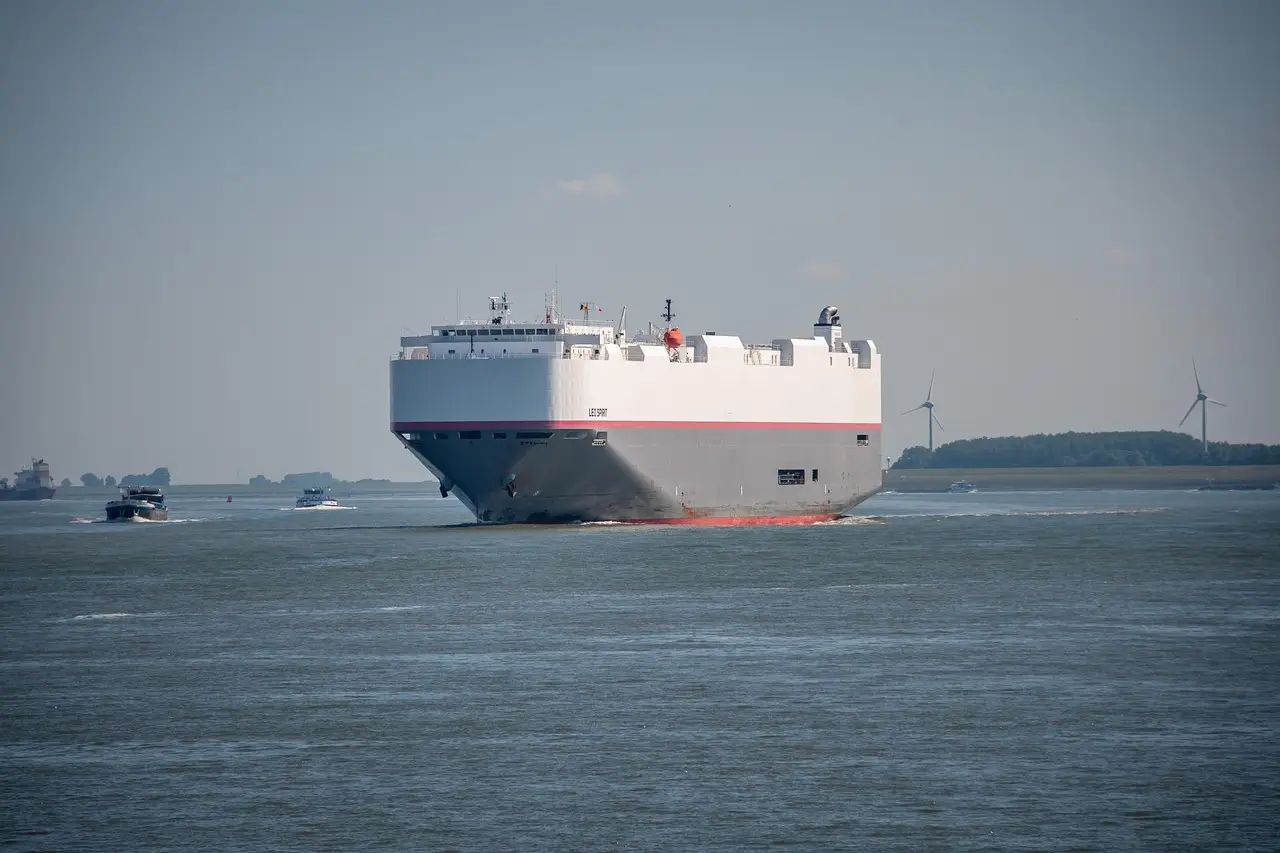
- Four ammonia-fuelled car carriers complete in 2030, two each for NYK Line and K Line.
- MHI announced the Mitsubishi Shipbuilding MAmmoSS selection on November 26, 2026; contract value undisclosed.
- Seven Japanese companies launched the ammonia fuel supply chain project on October 27, 2026.
- JERA will source green ammonia from India and load at Hekinan Thermal Power Station's terminal.
- Kyokuyo Shipyard bunkering vessel to supply fuel at Nagoya and Mikawa; global shipping emits nearly 3% of GHG.
Japan's first four ammonia-fuelled car carriers will cross the Pacific on ammonia alone by 2030, with Mitsubishi Shipbuilding supplying the fuel handling systems. The contract value was not disclosed. That silence is the first thing worth noting.
Mitsubishi Heavy Industries (MHI), the shipbuilder's parent, announced the selection on November 26, 2026. Mitsubishi Shipbuilding will deliver its Mitsubishi Ammonia Supply and Safety System (MAmmoSS) for all four vessels and prepare the basic design of their ammonia fuel tanks.
What does MAmmoSS actually do?
The system feeds ammonia from the onboard tanks to the engines. It also neutralises toxic surplus ammonia gas. Integrated control equipment links both functions and includes an emergency shutdown feature. A cargo vessel that burns ammonia emits no CO2, but the fuel is toxic and corrosive, so leak detection and containment are the cost of admission. One system now bundles supply, neutralisation and shutdown — a claim that will be tested at sea, not in brochures.
Who builds, who operates, who ships?
NYK Line (Nippon Yusen Kabushiki Kaisha) and K Line (Kawasaki Kisen Kaisha) will each operate two of the four ships, all scheduled for completion in 2030. Shin Kurushima Dockyard leads basic design and shares construction with Imabari Shipbuilding and Nihon Shipyard. Toyota Motor Corporation is among the customers whose finished cars the carriers are expected to haul.
Each vessel gets dual-fuel engines. The tanks hold enough ammonia to cross the Pacific on ammonia alone, while conventional marine fuel stays available as backup if ammonia is unavailable at certain ports. Bunkering infrastructure, in other words, remains the admitted weak point.
Where does the fuel come from?
The order belongs to a wider project. Seven Japanese companies announced it on October 27, 2026, aiming to build what they call the world's first commercial ammonia fuel supply chain. Japanese power company JERA will source the green ammonia from places including India and build loading facilities at its terminal beside the Hekinan Thermal Power Station.
A dedicated bunkering vessel built by Kyokuyo Shipyard will supply the carriers through ship-to-ship transfers, mainly at the ports of Nagoya and Mikawa. One bunkering ship serving two ports, four carriers and a transpacific round trip — schedule resilience will depend on that single asset until someone orders a second.
Is green ammonia actually green?
Unlike conventional ammonia made from natural gas, green ammonia uses hydrogen from water electrolysis powered by renewable electricity, plus nitrogen, making it virtually carbon-free from production to use. The word "virtually" is doing quiet work in that sentence.
The stakes are sizeable. Global shipping produces nearly three per cent of the world's greenhouse gas emissions, and industry regulators have set a net-zero target for around 2050. Lines are turning to ammonia because batteries are too heavy for long ocean voyages. Fair. But nobody in this announcement quoted a delivered fuel price, and the economics of Indian green ammonia in 2030 remain the unspoken variable behind every promise made here.
via Google News: Shipbuilding (Source)
More from James Calloway
Show full bio
Correspondent covering technology and product news in commercial shipping for industry professionals at Vessels.
223 articles
Linked entries
- Mitsubishi Shipbuilding's MAmmoSS picked for Japan's first ammonia-fueled car carriers
- Mitsubishi Shipbuilding first in Japan to land WinGD pre-approval for ammonia system
- NYK Completes Izanami, World's First MGC with Ammonia Main and Auxiliary Engines
- NYK Names World's First Ammonia-Dual-Fuel MGC Izanami
- Lotte Fine Chemical and Höegh Autoliners target green ammonia bunkering across Korean ports