Japan container congestion doubles Tokyo vessel waits to two days
Tokyo vessel waits doubled to two days in a week, while Ohi yard utilisation reached 120%. Ships face multi-day post-berthing delays as ONE and OOCL urge importers to collect containers.
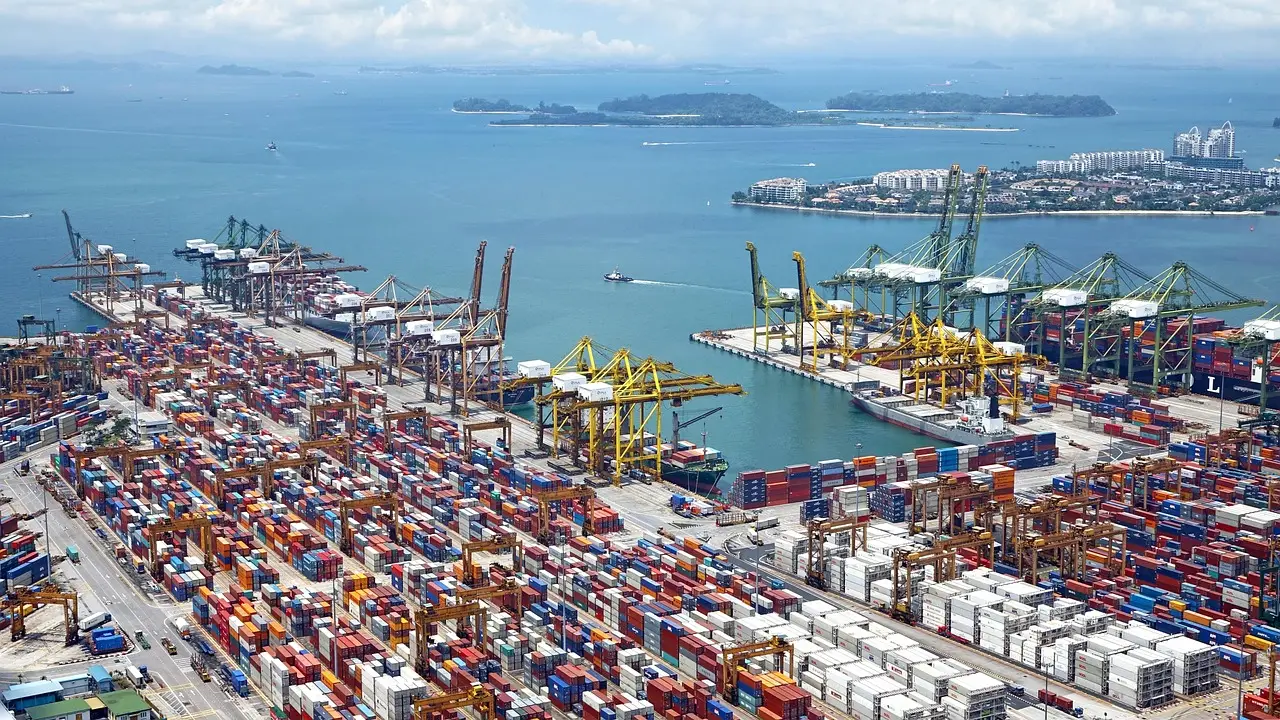
Adjustments
- Tokyo’s average vessel waiting time doubled to two days over the past week.
- Ohi terminal yard utilisation reached 120%, according to Kuehne+Nagel’s Tuesday figures.
- Yokohama yard utilisation stood at 100% to 110%, with labour shortages adding pressure.
- ONE appealed yesterday and OOCL warned earlier this month for faster container collection.
- Asian port congestion absorbed excess containership capacity this year, supporting historically high charter rates.
Container ships at Japanese container terminals are waiting several days after berthing before they can commence cargo operations, while Tokyo’s average vessel waiting time has doubled to two days over the past week.
What do the terminal figures show?
Kuehne+Nagel figures published on Tuesday put yard utilisation—the share of available storage space in use—at Tokyo’s Ohi container terminal at 120%. That is one-fifth above nominal storage capacity. Two other terminals in the Japanese capital also were operating above their nominal storage capacity.
The reported metrics separate the port queue from delay after arrival:
- Tokyo Ohi container terminal: yard utilisation reached 120%.
- Two other Tokyo terminals: yard utilisation above nominal storage capacity.
- Tokyo vessel waiting: average wait doubled to two days over the past week.
- Yokohama: yard utilisation at 100% to 110%.
- Berthed ships: some delayed by several days before cargo operations.
For ship operators, the exposure is cumulative: schedule disruption can delay arrival, congestion can extend the wait, and a lack of discharge space can then hold a berthed ship before cargo work starts.
What is driving the pile-up?
Two linked pressures are driving the congestion. Delays at overseas ports are disrupting vessel schedules, while sluggish collection of imports in Japan is leaving more boxes at terminals. Terminal operators are struggling to find sufficient space to discharge incoming cargoes.
Ocean Network Express (ONE) appealed to customers across Japan yesterday to accelerate the collection of imported containers. The action came as ships waited at berth and operators lacked discharge space, placing import collection directly alongside vessel-operating constraints.
OOCL issued a similar warning earlier this month, urging importers to collect containers regardless of how much free storage time remained—the allowance importers had left to take boxes away. ONE’s appeal covered customers across Japan; OOCL’s warning reached importers with time still available under that allowance.
Together, the two carrier notices placed collection speed at the centre of the port response.
At neighbouring Yokohama, yard utilisation stands at 100% to 110%. Labour shortages add to the operational difficulty there, combining storage pressure with a separate staffing constraint as operators try to keep both imports and arriving vessels moving.
Where does the pressure extend?
Japan is one node in a wider Asian operational squeeze. Terminals in Busan, Shanghai and Yantian, together with several ports in Southeast Asia, are experiencing considerable pressure. The overseas delays affecting schedules therefore extend beyond Japan, while congestion at Japanese terminals feeds back into vessel planning for the wider region.
What does it mean for the charter market?
Persistent port congestion has been instrumental in absorbing excess containership capacity this year, helping sustain historically high charter rates. Capacity absorption here is the process by which congestion takes tonnage out of normal trading and supports pricing, despite substantial fleet growth and the gradual return of liner services to the Suez Canal.
For shipowners and charterers, the combination produces two effects at once: congestion extends time in port and weakens schedule reliability, while the absorption of excess capacity supports historically high charter rates. Neither the fleet increase nor the Suez return has removed that support so far this year.
Japanese import collection now sits directly between terminal capacity and the time ships spend waiting or working at berth.
via Google News: Ports & Terminals (Source)
More from Rebecca Stone
Show full bio
News editor covering people, launches and day-to-day practice in commercial shipping for industry professionals at Vessels.
176 articles
Linked entries
- World Bank: terminals at 72.2% utilisation, already past congestion line
- Study Classes Up to 75% of Container Moves at One Terminal as Unproductive
- Mexican container traffic rose 2.4%, sharpening the build-or-tune test
- Northwest Seaport Alliance Volumes Slide 9.6% to 2.4m TEU
- Durban congestion costs shippers R17,500 per container per day