Study Classes Up to 75% of Container Moves at One Terminal as Unproductive
A 2026 Tecnológico de Monterrey study found up to 75% of container moves at one terminal were unproductive, with 51% tied to pre-clearance repositioning. Machine learning predictions cut relocations by 14.68%.
Adjustments
- Up to 75% of container moves at one terminal were classed as unproductive in a 2026 study.
- 51% of unproductive moves involved containers requiring pre-clearance services.
- UNCTAD reports median container dwell time of 3.1 days for 2024, from 76 ports.
- A separate 2026 preprint used generative AI to reduce relocations by up to 14.68%.
- A 2008 simulation of a 21-container bay found retrieval takes about two extra moves on average.
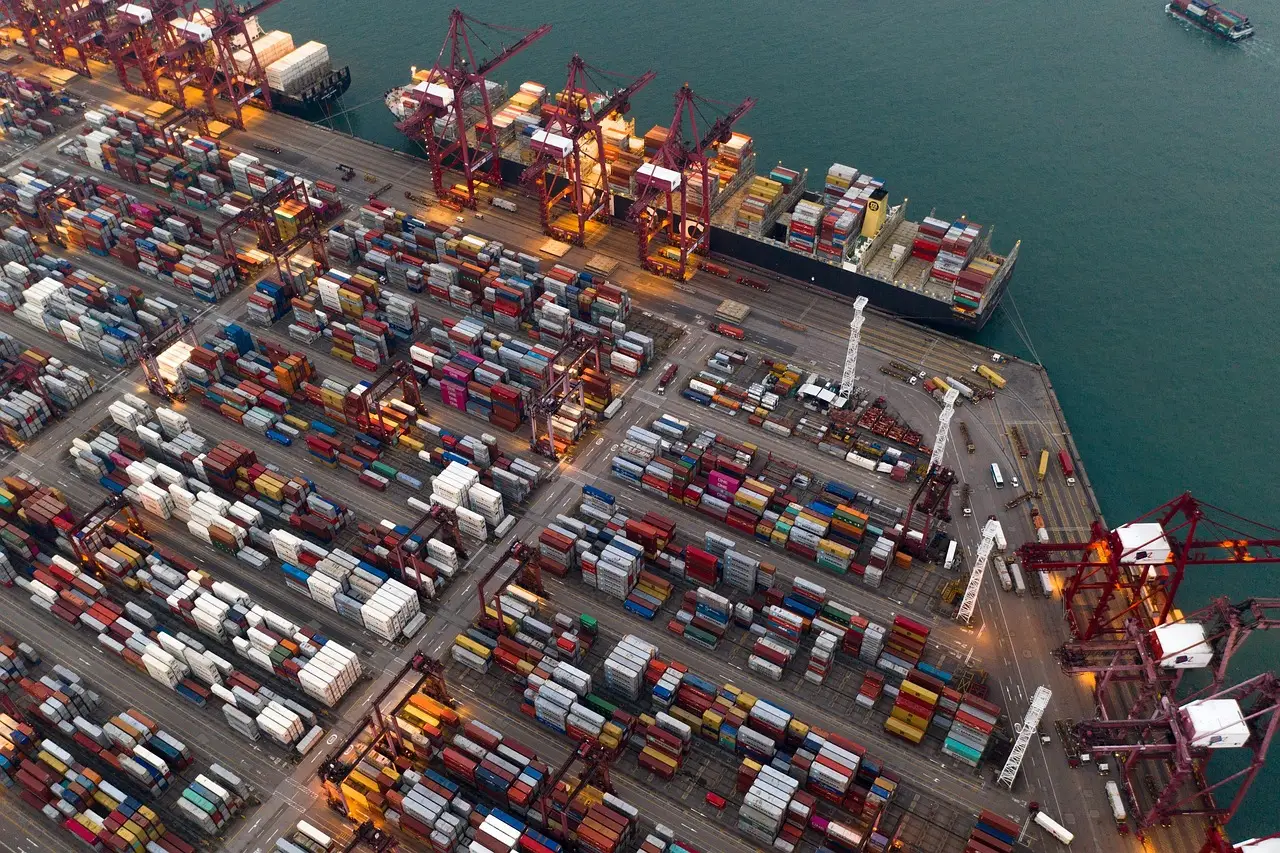
A 2026 study on container yard management classified up to 75% of all container-handling moves at one terminal as unproductive — moves that do not directly contribute to the logistical flow of cargo. About 51% of those unproductive moves involved containers requiring a pre-clearance service (an administrative procedure customs brokers carry out before cargo release). Terminal operators classify such moves as waste, according to the study.
The paper comes from researchers at Tecnológico de Monterrey working with two employees of the terminal under study, though the academic team states it conducted the study design, analysis and interpretation independently. The results describe one site, not the industry.
Why containers end up buried
The study defines a container move as the movement of a container within the terminal, from the quay to storage areas and eventually to the gate. Terminals stack containers vertically to maximise yard space.
Stacking creates a predictable cost. Containers scheduled for departure or service are sometimes located beneath others, and retrieving a buried container requires temporarily removing those above it. The paper calls this reshuffling or rehandling, and terminal operators class it as unproductive.
A 2008 simulation published in the Journal of International Logistics and Trade put a number on the effect. In a full bay of 21 containers — the cap at Port of Houston Authority terminals — collecting one container takes about two extra moves on average, if any container is equally likely to be collected next. The figure is a model output, not a measurement of a real terminal.
Pre-clearance is a distinct driver. Each service requires the terminal to reposition the container for handling, a process separate from formal customs inspections by authorities. About a third of containers at the terminal require at least one such service, based on the most recent years of data, and those containers accounted for just over half of the unproductive moves. A service event forces the container to be extracted and moved to the service area regardless of where it sits in the yard.
How dwell time shapes the yard
UNCTAD defines cargo dwell time as the total time cargo spends within a port, from arrival until clearance and dispatch. Long dwell time, the agency states, results in delays, additional costs and product deterioration. Its Review of Maritime Transport 2025, drawing on a Port Performance Scorecard covering 76 ports, reports a median container dwell time of 3.1 days for 2024, against 4.2 days for 2023.
The 2008 paper adds that operators commonly shorten dwell time by cutting free time (the period a container can stay without charge) and raising demurrage fees, which apply once that period ends. It cites the Port of Long Beach, which cut free time for import containers from five days to four in 2005.
Density versus rehandling
The paper defines storage density as yard storage productivity for imports, and terminals raise it to increase throughput, measured in TEUs handled per year. Two levers exist:
- Stack higher, or stack newly unloaded imports on top of older ones — a mixed storage policy, typical at space-constrained terminals.
- Under a non-mixed policy, new imports are not stacked on old ones; throughput and storage density fall, but rehandling productivity improves.
Higher stacks require additional rehandling, so terminals must balance the two. The paper notes that decisions on free time or storage density are often made without a clear understanding of their effect on throughput and rehandling productivity.
What does the study propose?
The 2026 study treats dwell time as something to estimate in advance. It built machine learning models on the terminal's historical operational data to predict, before a container arrived, whether it would need a service and how long it would stay.
With that information, yard planners can place containers needing a service closer to designated service areas. Containers expected to leave soon can go in more accessible locations, and long-stay units in lower-priority zones — reducing the distance and number of handling operations needed to retrieve a container later.
A separate 2026 preprint tackles the data problem: owner and cargo information, the main determinants of dwell time, are recorded as unstructured text. It used generative artificial intelligence to standardise that text into international codes before predicting dwell time. Applied to stacking strategies on real terminal data, the predictions reduced relocations by up to 14.68%, according to the abstract.
Location records for dangerous cargo
The International Maritime Organization addresses yard records directly. Its recommendations on the safe transport of dangerous cargoes in port areas state that the regulatory authority should require records of dangerous cargoes present in the port area for use in an emergency, showing the type, quantity and location of the cargoes. All port authorities should know where their dangerous cargoes and related documents are located.
UNCTAD's 2025 review lists integrating data from shipping lines, customs and terminal operators among the steps ports can take to reduce congestion and improve cargo handling, alongside advancing automation and improvements in yard and berth management.
Where yard management software fits
Infyz, a software company based in Hyderabad, states that its iPlanXpert yard management system gives planners a satellite map-based view of the terminal, with cargo tracking by make, destination or vessel. The company says its long-dwell flags surface units that have sat too long before anyone has to go looking. Its parent platform, iTOMS, positions yard management systems (YMS) as the layer that consolidates location, expected dwell and service-need data so planners can minimise unnecessary rehandling.
The sources do not evaluate any specific product. The underlying challenge, the evidence shows, is not the number of container moves but the visibility and coordination behind every movement.
via Google News: Ports & Terminals (Source)
More from Rebecca Stone
Show full bio
News editor covering people, launches and day-to-day practice in commercial shipping for industry professionals at Vessels.
161 articles
Linked entries
- World Bank: terminals at 72.2% utilisation, already past congestion line
- Tianjin Port boosts robot hauler efficiency nearly 20% with AI scheduler
- 100% container scan deadlock strands imports at Cochin Port
- CICT lifts cargo handling productivity 10% with digital upgrades
- 1,500 Tonnes of African Rubber Headed from Vizhinjam to Kottayam ICD for MRF