Japan and U.S. Launch Shipbuilding Robot Project for AI Welding
Japan's MLIT launched a joint US project on 29 November 2026 to develop shipbuilding robots, using a Michigan mock-up hull and virtual shipyards, as Kawasaki and JMU push AI welding and plate bending.
Adjustments
- Japan's MLIT launched a joint Japan-U.S. shipbuilding robot project on 29 November 2026.
- MLIT officials and the University of Tokyo set development plans during a visit to the United States in September 2025.
- Robots will be developed on a mock-up hull installed at the University of Michigan and tested in virtual recreations of Japanese and US shipyards.
- The programme implements a bilateral shipbuilding MOU that Japan and the United States signed in October 2025.
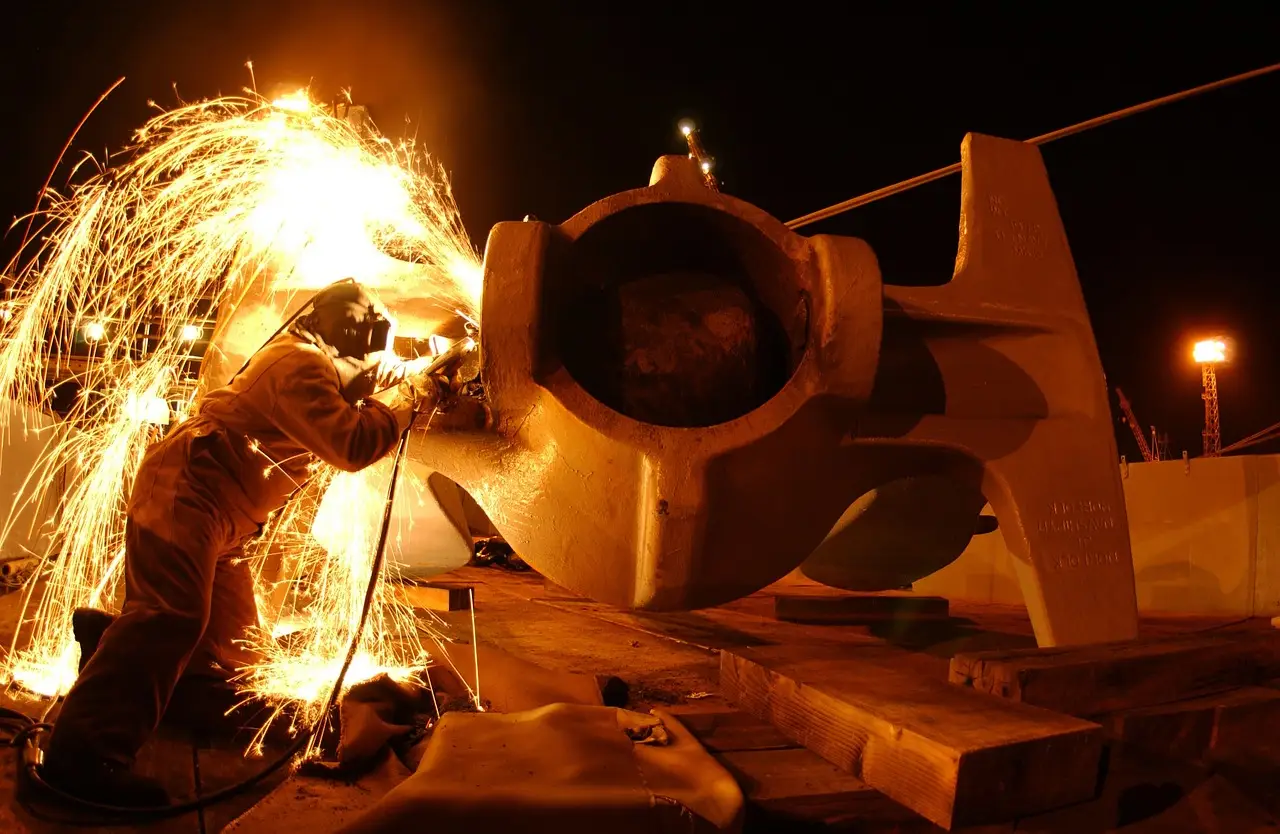
- Kawasaki Heavy Industries is building a hull-climbing quadruped welding robot; Japan Marine United is commercializing an AI steel plate bender.
By Sophie Lindqvist, Tokyo
Japan's Ministry of Land, Infrastructure, Transport and Tourism (MLIT) launched a joint project with the United States on 29 November 2026 to develop shipbuilding robots. The machines target welding and steel plate processing, tasks that skilled shipyard labour still performs by hand, as Japan tries to close the productivity gap with South Korean and Chinese yards.
Kyodo News reports the programme rests on "Physical AI", defined as technology letting AI control machines such as robots and perform tasks in the real world. MLIT officials and the University of Tokyo visited the United States in September 2025 to fix development plans, and this month's launch turns that groundwork into a working programme.
It also fleshes out a bilateral memorandum of understanding (MOU) on shipbuilding cooperation that both governments signed in October 2025. At the signing, Japan and the United States agreed to pursue the development and adoption of advanced shipbuilding technologies using AI and other tools.
What does the joint project actually build?
- A mock-up (replica) hull to be installed at the University of Michigan, giving Japanese developers a physical test structure for hull and welding robots outside a commercial yard.
- Virtual recreations of actual shipyards in Japan and the United States, used to test how the robots operate in a digital copy of a working yard.
- Advanced shipbuilding technologies built on AI and other tools, the central commitment of the October 2025 MOU.
The mock-up hull covers the hardware side of the programme; the simulated shipyards cover the operating side. Together they let Japan rehearse robot welders and plate-handling machines in two countries at once, in a digital copy of a working yard rather than a live one.
Which Japanese companies are building the machines?
- Kawasaki Heavy Industries is developing a quadruped robot (four-legged) that climbs along the outer hull of a ship and performs tasks such as welding.
- Japan Marine United (JMU) is working to commercialize an AI robot that bends steel plates, a process that has long relied on the skills of experienced workers.
Both machines attack the same bottleneck: knowledge held in individual welders and plate workers, in yards short of hands. The report gives no delivery date, order book or named deployment yard for either programme.
Why does the labour shortage set the pace?
Japan's shipbuilding industry has fallen behind South Korea and China, and the national strategy is to make up the labour shortfall while improving shipbuilding efficiency. The stated aim is to narrow the gap with South Korean and Chinese shipbuilders by replicating skilled techniques with machines.
The sequence runs from the September 2025 visit to the United States, through the October 2025 MOU, to the joint project launch on 29 November 2026. Kyodo's definition of Physical AI matters for readers tracking automation generally: the AI does not merely generate output on a screen, it controls the machine that performs the physical task.
For shipowners, charterers and yards watching Japan's position, the practical question is when the hull-climbing welder and the AI plate bender reach commercial operation, and on which newbuilding programme. So far, Japan's answer is a US testbed at Michigan, a pair of digital shipyards and two company efforts aimed at welding and plate processing.
via Google News: Shipbuilding (Source)
More from Sophie Lindqvist
Show full bio
Market editor covering technology and product news in commercial shipping for industry professionals at Vessels.
198 articles
Linked entries
- Japan's MLIT plots five-year port tech plan built on AI and remote cranes
- MLIT wants 5,500 firms on Cyber Port platform by 2030
- UNIST to Graduate 2,000 AI Specialists for Korean Shipbuilding by 2030
- Japan Turns to Korean Tech to Rebuild LNG Carrier Building
- Toti proposes foreign-invested US frigate yard amid congressional split