India's capital goods sectors to create 5 million jobs in five years
CGSSC projects 50 lakh jobs in India's capital goods and strategic manufacturing sectors within five years, including over two lakh riggers, welders and CNC operators for shipbuilding and repair.
Adjustments
- CGSSC projects 50 lakh (5 million) jobs in capital goods and strategic manufacturing over five years.
- Shipbuilding and ship repair need over 200,000 riggers, structural welders and CNC operators; maritime overall needs around 100,000 workers.
- CGSSC CEO Shalini Singh spoke at DIDAC India and DIDAC Skills 2026, held at BIEC Bengaluru, 25-27 November.
- The council spans roughly 12 sub-sectors including defence manufacturing, shipbuilding and ship repair, and works with the Ministry of Heavy Industries.
India's capital goods and strategic manufacturing sectors could generate 50 lakh — five million — job opportunities over the next five years, according to the Capital Goods & Strategic Skill Council. The claim came from CGSSC CEO Shalini Singh, speaking at DIDAC India and DIDAC Skills 2026 in Bengaluru on 25-27 November.
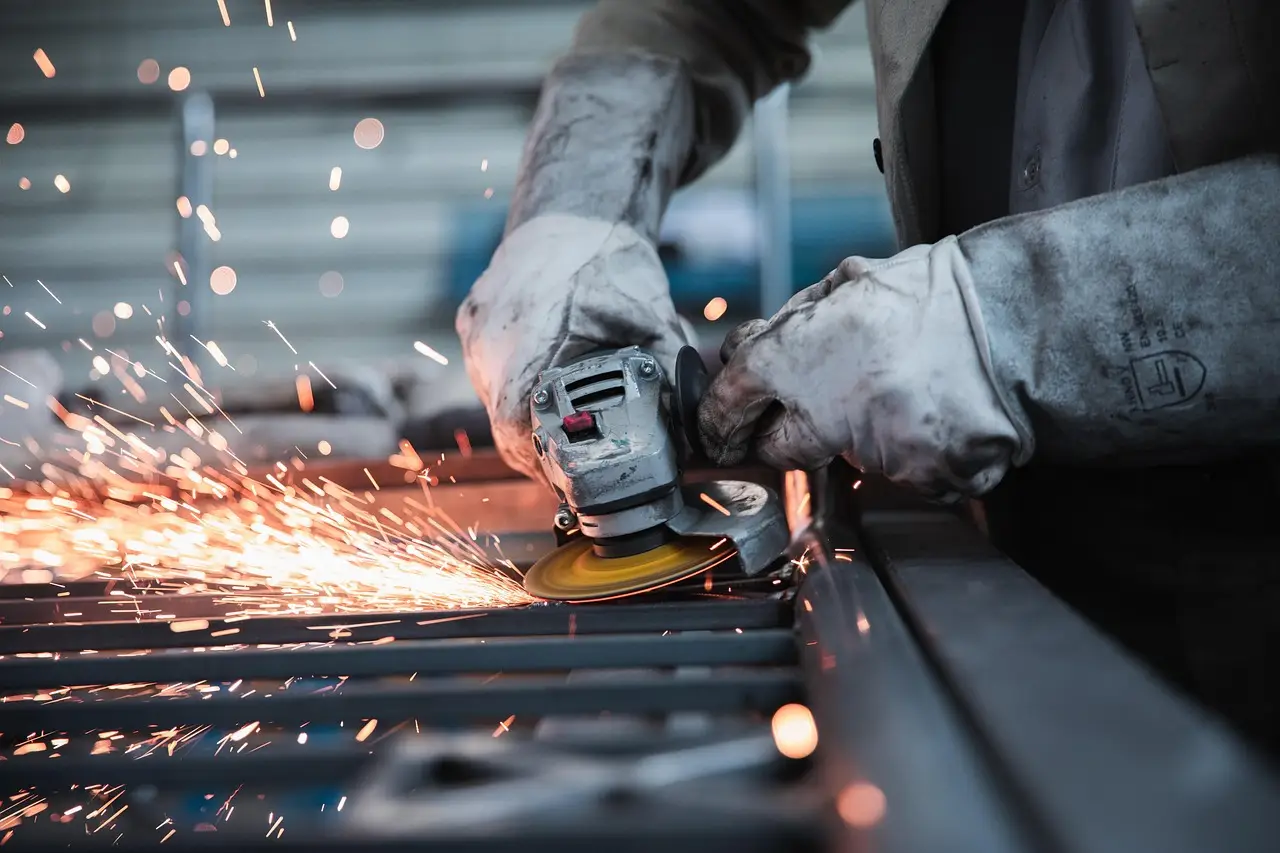
The maritime numbers are the ones shipbuilders should check twice. Singh put immediate maritime-sector demand at around one lakh workers. Shipbuilding and ship repair alone need more than two lakh riggers, structural welders and CNC operators, she said. That is 200,000 skilled hands for an industry that has struggled to fill welding bays for years.
Who is making the claim?
The CGSSC is a skill council, not a shipping line. It represents capital goods and strategic manufacturing segments — defence manufacturing, shipbuilding, ship repair and homeland security — across roughly 12 sub-sectors. Its business case depends on workforce projections looking large. Keep that in mind when the figure lands.
Singh framed the projection against India's accelerating investment in manufacturing, defence, shipbuilding and maritime industries. The council said the number "points to the scale of workforce demand" and underscores the need to prepare people with the skills employers actually need. Fair enough. But a projection is not a payroll. No source in the statement said how many of the five million roles carry contracts today.
What does the council actually do?
The CGSSC works with the Ministry of Heavy Industries and industry partners on advanced manufacturing training. It also develops standardised, industry-aligned trades and certification pathways to connect training output with workforce requirements.
Singh's pitch at DIDAC was blunt about the gap. The opportunity, she said, is to fulfil demand through structured training and certification, particularly in skilled roles, and ensure the workforce is ready for industry's needs. In plain terms: the bodies exist, the certificates don't yet.
The council flagged demand beyond the yard trades, too. Technicians and specialist workers top the list, with growing requirements in automation and other advanced manufacturing capabilities. That tracks with where Indian shipbuilding capital is actually going.
Where was this said?
DIDAC India and DIDAC Skills 2026 ran concurrently at BIEC, Bengaluru, from 25-27 November. The organisers bill the twin events as Asia's largest — and India's only — exhibition and conference for the education and skilling sector.
The India Didactics Association, which describes itself as the country's apex body for the education and skills ecosystem, ran the show with German trade fair operator Landesmesse Stuttgart. The stated aim: bring educators, industry leaders, policymakers and skills organisations together to connect learning with real workforce needs.
DIDAC Skills carried the sector-specific content — hands-on workshops, technology showcases and interactive learning experiences, all demonstrating how skilling is being positioned to meet industry demand. Whether that demonstration converts into certified riggers in Cochin and Vizag is next year's question.
The caveat
Five million jobs over five years works out to a million a year across 12 sub-sectors. Maritime's share — one lakh now, two lakh in the yards — is real demand by any measure, and yard managers who have posted welder vacancies for months will not dispute it. But the projection assumes training pipelines scale at the same speed as the orderbooks. Nothing in the council's statement says they will, and every skill council in recent memory has promised certifications faster than it delivered them. Watch the welder numbers, not the headline.
via Google News: Shipbuilding (Source)
More from James Calloway
Show full bio
Correspondent covering technology and product news in commercial shipping for industry professionals at Vessels.
223 articles
Linked entries
- India's $8 Billion Shipbuilding Push Meets a Productivity Gap
- India’s $8bn shipbuilding plan puts domestic yards in focus
- India Plots Five Greenfield Shipyard Clusters With $8 Billion Push
- Sanmar and Radha pump Rs 3,450 crore into Thoothukudi shipbuilding
- India prepares ₹69,725-crore shipbuilding expansion