IMO carbon delay and war risk leave old ships favoured
One year after the IMO postponed its Net-Zero Framework, Hormuz war-risk premiums reaching 8%-10% and Red Sea diversions steer owners toward older ships.
Adjustments
- The IMO Net-Zero Framework adoption was postponed one year ago, with negotiations still unresolved.
- The Risotto Group’s latest meeting was cancelled after a Saudi-led voluntary-contribution proposal drew a cool response.
- Hormuz war-risk premiums can reach 8%-10% of vessel value.
- Shipowners need a carbon-price signal before committing to assets that will trade for 20 to 25 years.
- Twenty-year-old ships are earning exceptional returns as owners extend asset lives instead of recycling inefficient tonnage.
By Amara Osei
One year after countries postponed adoption of the IMO’s Net-Zero Framework, a political compromise remains out of reach while shipping markets make delay profitable. Hormuz war-risk premiums of 8%-10% of vessel value, Red Sea diversions and longer routes now reward older, fuel-hungry tonnage, cutting against the investment signal green policy needs.
Richard Meade, editor-in-chief of Lloyd’s List, set out the test: “The real prize was never the carbon price itself. It was the investment signal the price was supposed to create.” Without that signal, waiting becomes commercially rational.
Shipowners need that signal before committing to ships that will trade for 20 to 25 years. Fuel producers need credible demand before investing billions in production, while ports need to know which bunkering infrastructure to build.
Can the IMO bridge the penalty gap?
Negotiators at the IMO are still searching for a politically acceptable compromise one year after the postponement. The informal “Risotto Group” has struggled to bridge divisions; its latest meeting was cancelled after a Saudi-led proposal to replace mandatory emissions penalties with voluntary investment contributions drew a cool response.
EU states plan to coordinate their position on Wednesday, but Mediterranean countries remain resistant to simply defending the original framework. Meade warns that negotiators could become consumed with designing an agreement to survive politics rather than deliver its intended result.
Why first-mover owners wait
Owners now openly acknowledge that moving first on alternative fuels increasingly looks like an unrewarded risk. Three barriers compound: retrofitting is expensive, fuel availability remains uncertain, and the IMO timetable remains unclear.
The result is a conservative asset choice: conventionally fuelled ships, including relatively young secondhand tonnage, remain the safer investment. The arithmetic runs backwards. Waiting has become the commercially rational answer.
What do war risks do to fleet economics?
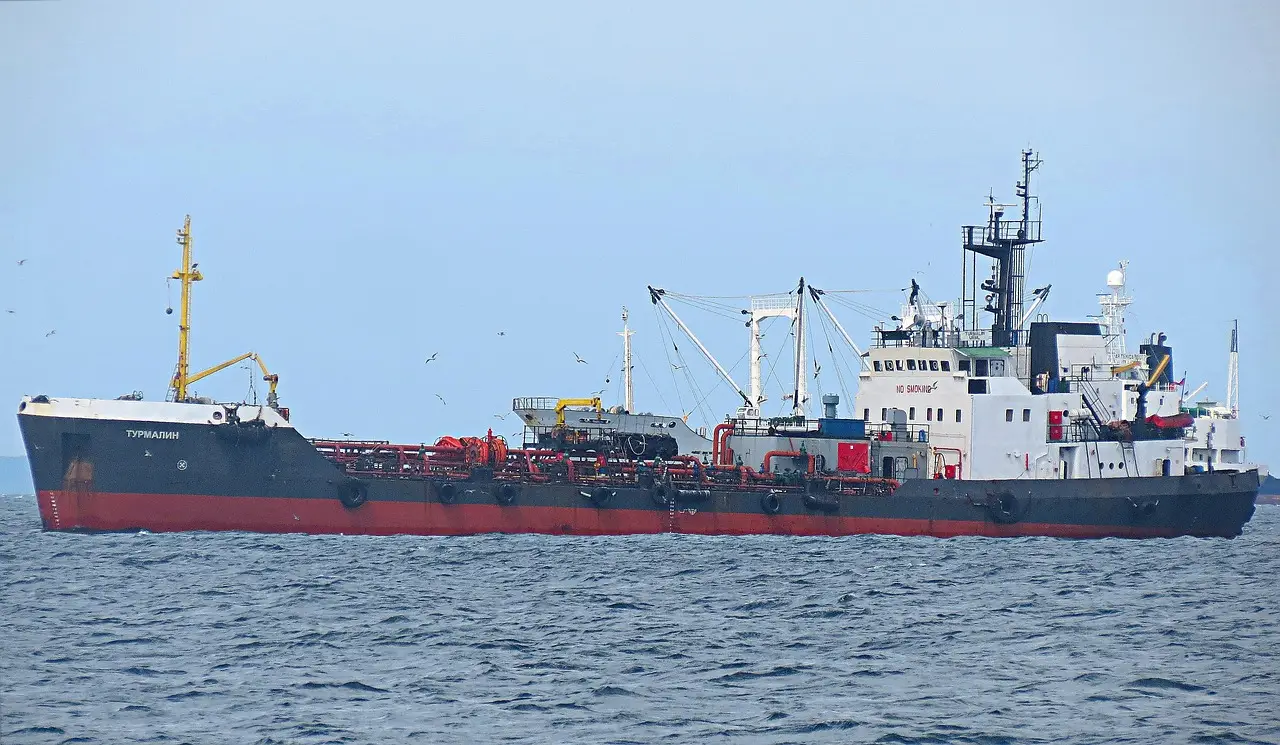
Hormuz war-risk premiums for voyages can reach 8%-10% of vessel value. That makes older, cheaper tankers commercially attractive despite their higher fuel consumption. Twenty-year-old ships are earning exceptional returns, and owners are extending asset lives instead of recycling inefficient tonnage.
The shift towards resilience compounds the problem. Four developments now absorb additional vessel capacity and increase tonne-miles:
- Red Sea diversions.
- Hormuz shuttle operations.
- Sanctions-driven fragmentation.
- Longer trade routes.
Supply chains designed around efficiency are being replaced by systems built around redundancy, optionality and security. Those arrangements keep older tonnage trading over longer distances. Fuel burn follows.
Can regulation still deliver decarbonisation?
None of this means decarbonisation has stopped. It exposes a growing contradiction: shipping can comply with increasingly complex carbon regulation while becoming less efficient overall.
The policy menu offers four unattractive choices:
- A weak global compromise risks failing to stimulate green-fuel investment.
- No compromise encourages fragmented regional regulation.
- Continued uncertainty rewards waiting.
- Geopolitical instability keeps older ships trading for longer over less efficient routes.
Meade’s verdict is blunt: “The unintended consequence of shipping’s increasingly complicated effort to decarbonise may be a maritime system structurally incentivised to burn more fuel, for longer.”
via Google News: IMO Regulation (Source)
More from Amara Osei
Show full bio
Senior reporter covering technology and product news in commercial shipping for industry professionals at Vessels.
60 articles
Linked entries
- Nine Shipping Bodies Push for IMO Net-Zero Deal as Rules Split Industry
- EU ETS likely to survive any IMO zero-carbon deal, IBIA panel says
- Greek Shipowners Slam EU Stance as IMO Climate Talks Head for Deadlock
- IMO Net-Zero Framework Stalls Again as US Blocks Carbon Penalties
- IMO Reopens Net-Zero Framework Talks November 30