Helsingborg opens consultation on southern container terminal plan
Helsingborg's consultation on a southern container terminal runs to 25 January 2027, with investment decision no earlier than 2029 and relocation around 2033.
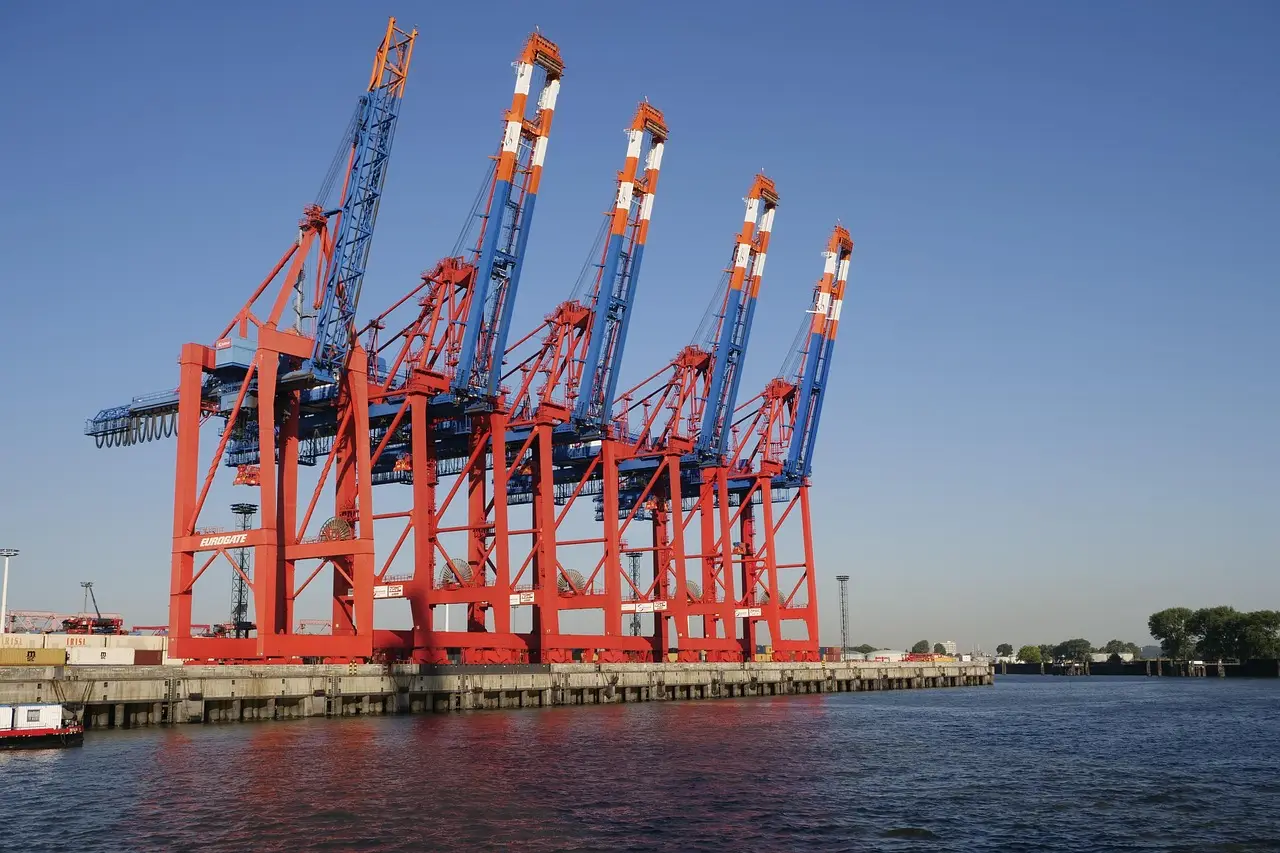
Adjustments
- Public consultation runs 23 November 2026 to 25 January 2027, with an information meeting on 13 January 2027.
- Final investment decision possible no earlier than around 2029; construction from 2030; relocation around 2033.
- Helsingborg is Sweden's second-largest container port; the existing site is near capacity with limited expansion space.
- New harbour surfaces would be raised to about 4 metres above sea level; city cites 1.5–2 m lifts elsewhere.
- Plan includes electric RTG cranes and an intermodal ship-to-rail terminal.
Helsingborg has opened public consultation on a detailed plan for a future container terminal in the southern harbour — and the timetable says everything about its urgency: a final investment decision no earlier than 2029, construction at the earliest in 2030, possible relocation around 2033.
The consultation runs from 23 November 2026 to 25 January 2027, with an open information meeting on 13 January 2027. Residents, businesses and authorities can file written comments; the municipality will then compile submissions and explain how it handled them, with a further review stage provisionally set for autumn 2027. In parallel, Helsingborgs Hamn is continuing the environmental documentation for a future permit application.
What does the plan actually authorise?
Nothing, yet. The municipality is careful to stress that the proposal neither authorises construction nor guarantees the existing container operation will move. Environmental permits, a legally binding detailed plan and a later investment decision are all still required. Nobody is pouring concrete in 2026.
The terminal itself would sit in the southern harbour area, incorporating parts of the existing port plus land currently tied to industrial and logistics uses. The logic is practical: building the new facility while the present operation continues avoids a disruptive break in regional freight services.
Why move Sweden's second-largest box port?
Helsingborg's container port is described by the municipality as Sweden's second-largest and a key node in north-western Scania's logistics economy, linking sea, road and rail. The catch is space: the existing site is approaching capacity with limited room to expand. The relocation is pitched as preparation for future cargo volumes, larger vessels and changing technical and climate requirements.
The detailed plan covers:
- a new quay, with a longer berth intended to serve larger vessels, subject to the permit process
- container-handling areas, offices, warehouses and customs facilities
- an intermodal terminal transferring goods directly between ships and trains
The rail link is the political centrepiece — a more direct connection to the wider logistics network that lets freight move without relying exclusively on trucks.
How much does climate adaptation cost into the design?
The plan raises the harbour surfaces to approximately four metres above sea level in the new development area. Elsewhere in the project material, the city notes harbour areas may need lifting of roughly 1.5 to 2 metres against expected sea-level pressures. The figures differ because the planning area is designed differently — the underlying point doesn't: coastal port infrastructure must operate in a changing environment.
The project material also describes an electric handling system built on electrically powered rubber-tyred gantry cranes, presented as a step towards largely fossil-free container operations.
What happens to the central waterfront?
A southern move would free land in Helsingborg's central port area, and the city's wider urban-development material has linked relocation with the possibility of new urban uses on centrally located ground. But the consultation is not a redevelopment plan for the existing terminal site. Housing, offices or public spaces there would require separate studies, planning decisions and public discussion.
That distinction matters. The decision before the public concerns the southern harbour site, not a finished waterfront programme. Any future redevelopment of the current container area is a separate conversation.
For a port city, the exercise is worth the patience: a terminal is a land user, an employer and a transport interchange all at once, and moving it can reset the relationship between city and water. The replacement facility, though, has to protect the regional freight role first.
Three goals, one plan — a competitive gateway, a climate-proofed coast, a waterfront worth arguing about. The arguing starts now.
via Google News: Ports & Terminals (Source)
More from Amara Osei
Show full bio
Senior reporter covering technology and product news in commercial shipping for industry professionals at Vessels.
166 articles
Linked entries
- Gothenburg Awards Fairway Dredging Contract for Mega-Boxship Access
- Boskalis-Van Oord-Rohde Nielsen JV wins Gothenburg fairway deepening
- Port of LA Drafts 40-Year Extension for Phillips 66 Wilmington Oil Terminal
- Japan's MLIT plots five-year port tech plan built on AI and remote cranes
- Hatenboer-Water doubles testing capacity with Schiedam rebuild