Gothenburg wires APM Terminals rail tracks for electric shuttles
Gothenburg will string 1,250 metres of overhead line at APM Terminals' tracks from next year, letting electric locos reach the quay directly and saving up to 30 minutes per shuttle.
Adjustments
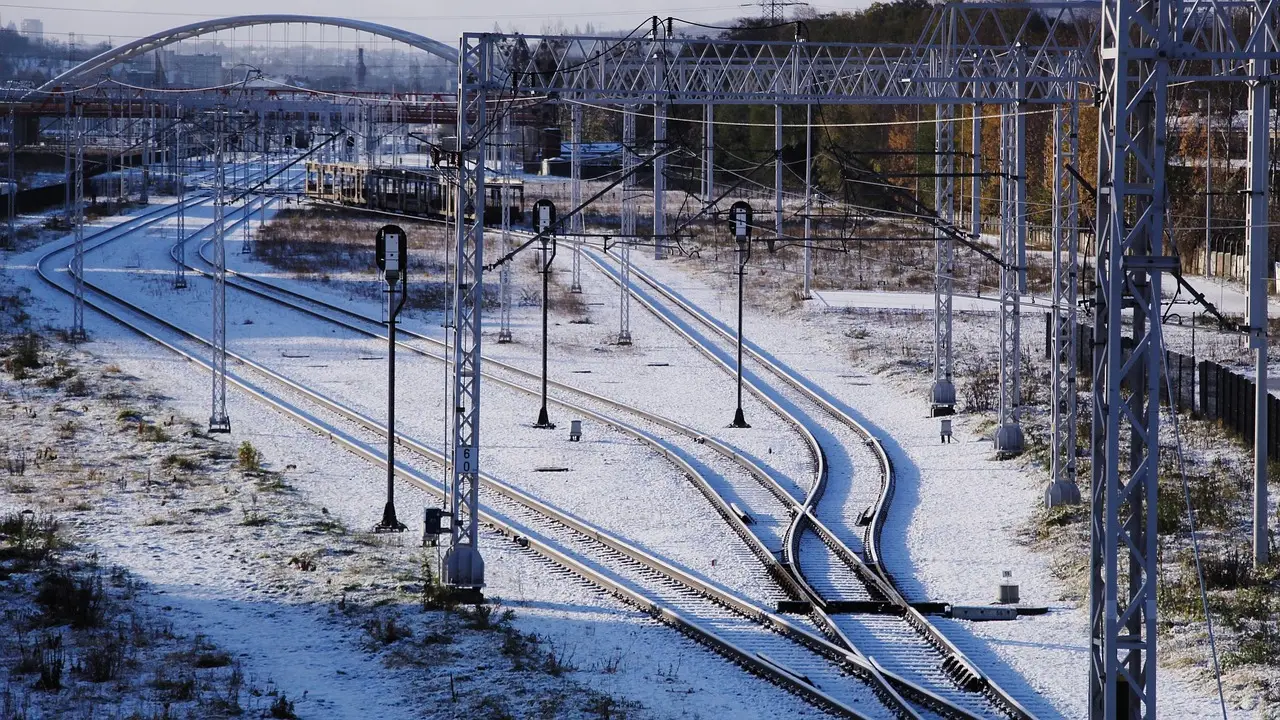
- Port of Gothenburg will install around 1,250 metres of overhead line and 38 line masts, with construction starting next year.
- The project cuts container rail shuttle turnaround by up to 30 minutes per train.
- Track length constraint rises from 630 metres to 750 metres, allowing longer trains.
- The terminal handles about 80 trains a week to 20+ Swedish destinations; a record 529,000 TEU moved by rail last year.
The Port of Gothenburg will install roughly 1,250 metres of overhead line at its container terminal from next year, cutting turnaround times for rail shuttles by up to 30 minutes per train.
The works, on tracks operated by APM Terminals, mean electric locomotives can run straight to and from the quay for the first time. Today they can't. Trains currently need a diesel loco for the final stretch or a detour through the port departure yard. Once the wires go up, electric traction handles pick-up and drop-off at the terminal itself.
The stakes are modest per move but real in aggregate. The terminal handles around 80 trains a week and links the port with more than 20 destinations across Sweden. A record 529,000 TEU moved to and from the port by rail last year, and volumes have kept rising in 2026.
Where do the 30 minutes come from?
Most of the saving comes from trains leaving directly from the terminal rather than queueing in the departure yard. But the time gain isn't the whole story. The yard's 630-metre tracks currently cap train length; the new arrangement makes room for consists of up to 750 metres.
Each extra metre of train means more slots per departure. For container lines and their customers, boxes should clear the quay faster, and for whoever plans the inland leg, fewer handovers mean fewer places for a schedule to slip. Every shunting move removed is one less point of failure.
The physical scope: 1,250 metres of overhead line, 38 line masts with their foundations, upgraded level crossing protection and a new emergency access road. Construction starts next year.
Why does this matter beyond Sweden?
Birna Ödefors, Managing Director of APM Terminals Gothenburg, put it plainly: "When electric locomotives can run all the way to our fossil-free container handling operation, another fossil fuel dependency is removed from the transport flow."
That's the part shipowners should read twice. Cargo owners increasingly ask carriers to account for emissions beyond the sea leg — well-to-gate, not just port-to-port. An electric rail connection at the terminal gate gives carriers a cleaner inland option to put in front of those customers, and a number they can actually report rather than footnote.
Robert Sommar, Railway Manager at the Port of Gothenburg, framed it competitively: "This will be an important step in strengthening the competitiveness of rail in the port."
The quiet logic
For an operator running boxes out of Scandinavia's biggest port, this is a schedule improvement dressed as a decarbonisation project — or the reverse, depending on who's asking. Either way, the diesel stage disappears from the chain, trains get 120 metres longer, and the departure yard stops being the bottleneck.
Nothing here revolutionises ocean freight. It just removes friction where friction actually accumulates. Shipowners who plan the ocean and inland legs as one service will notice the difference first.
via Google News: Ports & Terminals (Source)
More from Amara Osei
Show full bio
Senior reporter covering technology and product news in commercial shipping for industry professionals at Vessels.
168 articles
Linked entries
- Gothenburg to electrify 1,250 m of terminal rail from 2027
- Gothenburg Awards Fairway Dredging Contract for Mega-Boxship Access
- Boskalis-Van Oord-Rohde Nielsen JV wins Gothenburg fairway deepening
- Helsingborg opens consultation on southern container terminal plan
- World Bank: terminals at 72.2% utilisation, already past congestion line