Gothenburg to electrify terminal tracks for 750-metre trains
Gothenburg will begin electrifying 1,250 metres of terminal rail in 2027, targeting 750-metre trains, turnaround savings of up to 30 minutes and less diesel shunting.
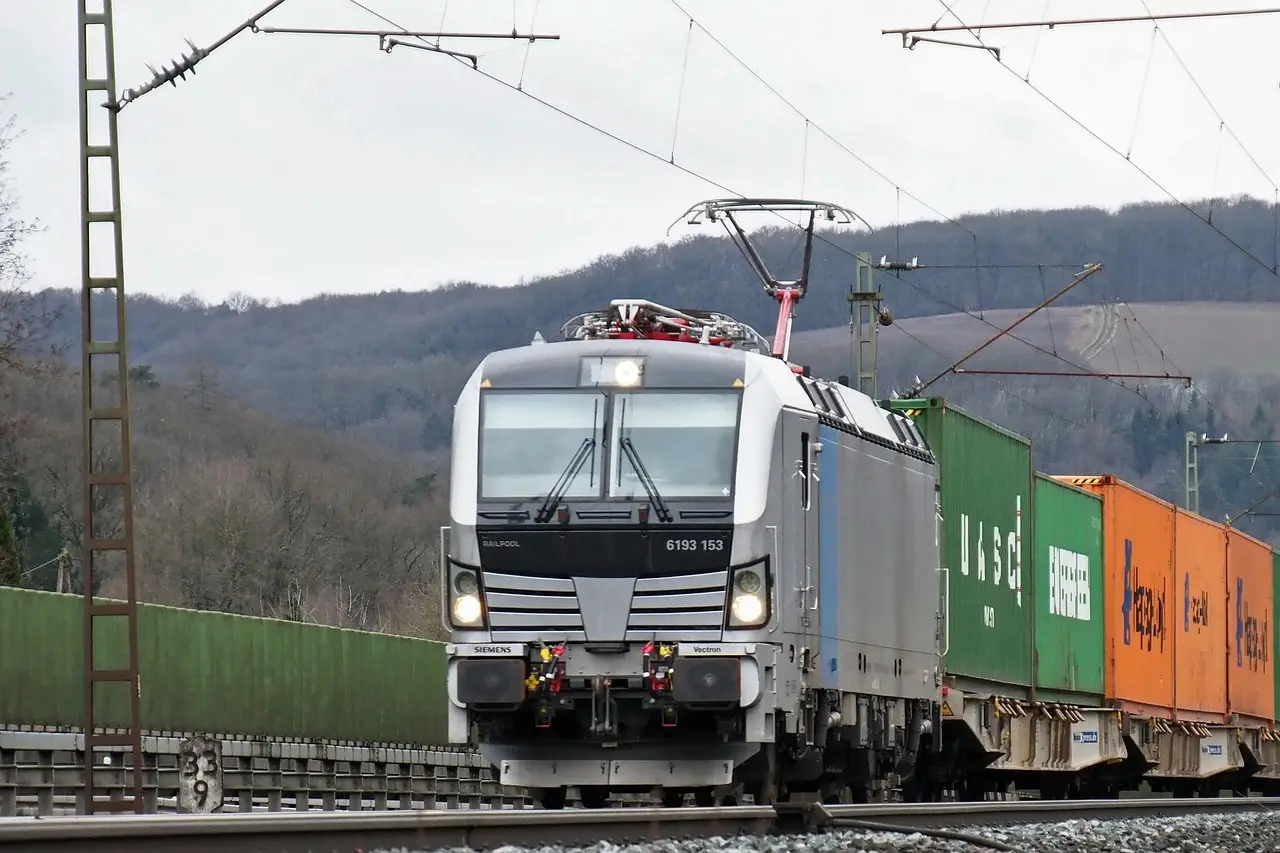
The Port of Gothenburg is investing in approximately 1,250 metres of overhead power infrastructure at its container terminal, with construction scheduled to begin in 2027.
The extension of the port's existing overhead network will allow electric locomotives to run directly to and from the handling tracks. It should reduce locomotive changes and diesel-powered shunting (moving locomotives within the terminal), raise handling capacity and accommodate rising rail freight volumes.
The project also targets more efficient intermodal transport (container movement combining sea and rail) at the maritime-land transfer point. Direct terminal departures will let trains bypass part of the movement through the departure yard and remove some internal locomotive repositioning.
What will 750-metre trains change?
Maximum train length currently stands at 630 metres because of the departure yard's track length. The new infrastructure will improve conditions for trains up to 750 metres, an increase of approximately 19% in maximum length.
Longer trains could carry more containers per departure, but the port makes that contingent on wagon configurations, loading restrictions and capacity elsewhere on the railway network.
Direct departures should also shorten the terminal turnaround time (the handling period for a rail service). Gothenburg estimates savings of up to 30 minutes for each container rail shuttle, compared with current arrangements involving departure-yard movements and locomotive changes.
Shortening that cycle could improve equipment utilisation and scheduling flexibility for rail operators and cargo owners. The port intends the works to release capacity within its existing railway infrastructure without requiring a corresponding increase in train movements.
How much container rail traffic is at stake?
APM Terminals operates the container terminal, which currently handles around 80 trains per week. Those services connect Gothenburg with more than 20 destinations across Sweden.
The Port of Gothenburg handled a record 529,000 TEU (twenty-foot equivalent unit) by rail in 2025 and said volumes continued to increase during 2026. Growth in inland container demand has put greater pressure on efficient use of the existing railway, especially at the point where cargo transfers between maritime and land transport.
“This will be an important step in strengthening the competitiveness of rail in the port. Through more efficient traffic arrangements, we can create better conditions for both growth and sustainable transport,” said Robert Sommar, Railway Manager at the Port of Gothenburg.
His statement ties the works to rail competitiveness, growth and sustainable transport, while the longer trains and shorter cycle address the operating constraints behind those goals.
What does electrification change for operations?
Electric locomotives already serve the port's wider railway network, but the absence of overhead power on terminal handling tracks leaves the final operational segment without electric traction. As a result, the port still relies on diesel shunting and associated locomotive movements inside the terminal.
Electrifying that segment should reduce internal diesel activity and remove a fossil-fuel dependency from the transport flow. The port expects lower carbon emissions from internal railway operations but has not disclosed an estimate of annual savings.
“When electric locomotives can run all the way to our fossil-free container handling operation, another fossil fuel dependency is removed from the transport flow,” said Birna Ödefors, Managing Director of APM Terminals Gothenburg.
Her comment focuses on the terminal's fossil-free container handling operation rather than a quantified emissions target.
What safety work accompanies electrification?
The construction programme will include:
- 38 line masts and associated foundations supporting the 1,250-metre overhead power extension.
- Upgrades to level-crossing protection systems.
- An emergency access road intended to improve safety and operational resilience for road and rail traffic within the port area.
Construction is scheduled to begin in 2027. The operating test will be whether longer trains, direct departures and electric access deliver the estimated 30-minute turnaround gain without adding train movements.
via Google News: Ports & Terminals (Source)
More from Rebecca Stone
Show full bio
News editor covering people, launches and day-to-day practice in commercial shipping for industry professionals at Vessels.
152 articles
Linked entries
- Gothenburg wires APM Terminals rail tracks for electric shuttles
- Gothenburg to electrify 1,250 m of terminal rail from 2027
- Gothenburg wires its container terminal for electric trains
- Gothenburg Awards Fairway Dredging Contract for Mega-Boxship Access
- Boskalis-Van Oord-Rohde Nielsen JV wins Gothenburg fairway deepening