Brent Heads for Third Weekly Loss as Supplies Build Despite Hormuz Risk
Brent fell 1.2% to $90.83 and WTI to $82.25, sealing a third weekly drop, as the IEA forecasts a crude surplus and tanker attacks at Hormuz fail to lift prices.
Adjustments
- Brent fell 1.2% to $90.83 a barrel on Friday; WTI dropped 1.2% to $82.25.
- Brent is down more than 5% over the week, WTI more than 7% — a third straight weekly decline.
- The IEA forecasts crude markets will soon enter a surplus.
- Tankers transiting the Strait of Hormuz have been attacked this week.
- Both benchmarks have dropped around 20% since the end of last month, per Trade Nation.
Brent crude futures dropped 1.2% to $90.83 a barrel in volatile trading on Friday, putting oil on track for a third consecutive weekly decline as improving global supplies outweighed fears of a re-escalation between the United States and Iran.
U.S. West Texas Intermediate (WTI, the American crude benchmark) futures fell 1.2% to $82.25 a barrel in the same session, logged at 04:26 ET (09:26 GMT). Over the past week Brent has lost more than 5%, while WTI has declined by over 7%.
Why are prices falling despite the war?
Supply data has turned decisively bearish. The International Energy Agency (IEA) has forecast that crude markets will soon enter a surplus — a reversal from the tightness that defined earlier phases of the conflict.
Middle East oil production has improved, according to recent figures, and U.S. crude inventories have increased. That physical-market loosening is doing more to set prices than the persistent geopolitical risk premium from the nine-month-old Iran war.
David Morrison, Senior Market Analyst at Trade Nation, said in a research note: "[I]t's worth remembering that both WTI and Brent have dropped around 20% since the end of last month, although all rally attempts have been short-lived so far."
What is happening around the Strait of Hormuz?
Tensions in the region have not eased. U.S. President Donald Trump told Axios he is not "rushing into anything" with Iran, after media reports this week suggested he is considering joining Israel in a short and intense campaign of strikes against the Islamic Republic.
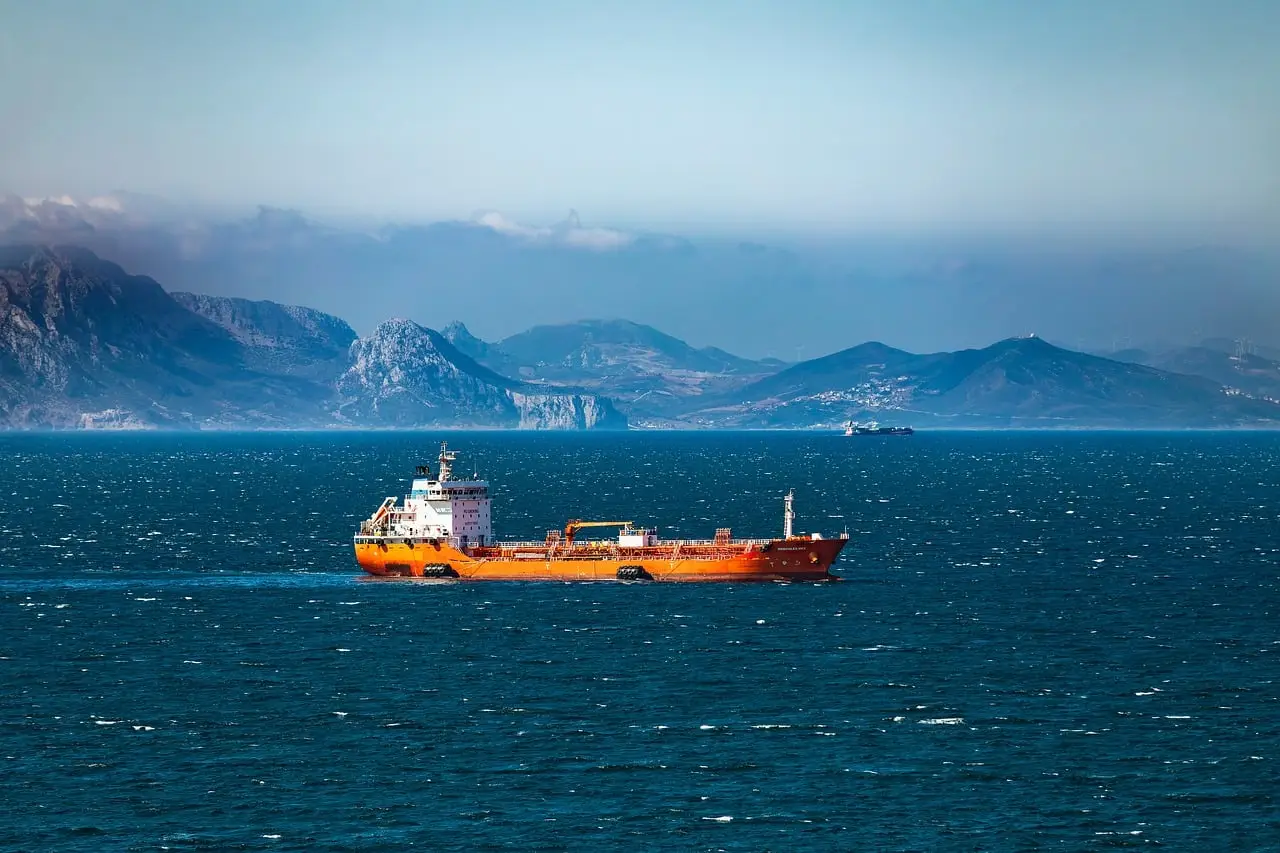
That has raised concerns that recently recovering oil flows through the Strait of Hormuz — the chokepoint for roughly a fifth of globally traded crude — could be disrupted again. Tankers transiting the strait have already been attacked this week.
Iran has also struck U.S. targets in some Gulf countries. Yemen's Iran-backed Houthis continued their campaign against Saudi Arabia, hitting the Public Investment Fund office in Riyadh on Thursday.
Where does the war stand?
Now in its ninth month, the Iran war has shown little movement toward de-escalation. Tehran has largely held to its position that Washington must lift its naval blockade on the country and unfreeze some of Iran's overseas assets before any peace talks begin.
Washington, for its part, has demanded that Iran abandon its nuclear ambitions — a prospect Tehran has largely dismissed.
For shipowners and charterers, the message in the numbers is that physical barrels are currently plentiful: a weekly decline of 5% in Brent and 7% in WTI, plus a 20% slide from end-June highs, shows the market pricing surplus, not scarcity — even with tankers under attack at Hormuz.
via Hellenic Shipping News (Source)
More from Rebecca Stone
Show full bio
News editor covering people, launches and day-to-day practice in commercial shipping for industry professionals at Vessels.
93 articles
Linked entries
- Brent Heads for 5% Weekly Drop as Hormuz Flows Recover
- Brent Back Above $92 as Houthi Strikes and Hormuz Mines Resurface
- Brent Climbs to $92.22 After Hormuz Tanker Blasts, Houthi Strike on Riyadh
- Brent back above $92 as Trump weighs new Iran strikes
- Mars crude flips from $17.50 premium to $4 WTI discount