Brent Climbs to $92.22 After Hormuz Tanker Blasts, Houthi Strike on Riyadh
Brent rose 24 cents to $92.22 on November 20 after two tankers struck mines in Hormuz and Houthi missiles damaged Riyadh's tallest tower, yet the market still faces a third straight weekly loss.
Adjustments
- Brent traded at $92.22 a barrel on November 20, 2026, up 24 cents; WTI rose 19 cents to $83.40
- Iran's Revolutionary Guards said two oil tankers struck naval mines and caught fire in Hormuz; no independent verification
- Brent is on course for a 3.5% weekly loss, WTI for 6% — the third losing week in a row
- IEA puts conflict losses at 2.8 billion barrels of oil and 60 billion cubic metres of gas
- Saudi September crude exports rose almost 21% month-on-month to 5.38 million bpd; OPEC+ meets November 29
Brent crude traded at $92.22 a barrel in early Asian trade on Friday, November 20, 2026, up 24 cents after tanker blasts in the Strait of Hormuz and a Houthi missile strike on Riyadh revived worries over Gulf supply.
US benchmark West Texas Intermediate (WTI) for December delivery rose 19 cents to $83.40. The moves were modest. On Thursday both contracts had closed almost flat, with Brent adding 3 cents to $91.98 and WTI slipping 5 cents to $83.21 — its weakest close since late August.
Why are prices still heading for a weekly loss?
Geopolitics isn't moving the market much because crude flows through Hormuz have recovered to near pre-war levels. Traders still expect a surplus.
Brent remains on course for a 3.5% weekly loss and the December WTI contract for a 6% fall. That would be the third losing week in a row.
What happened in Hormuz?
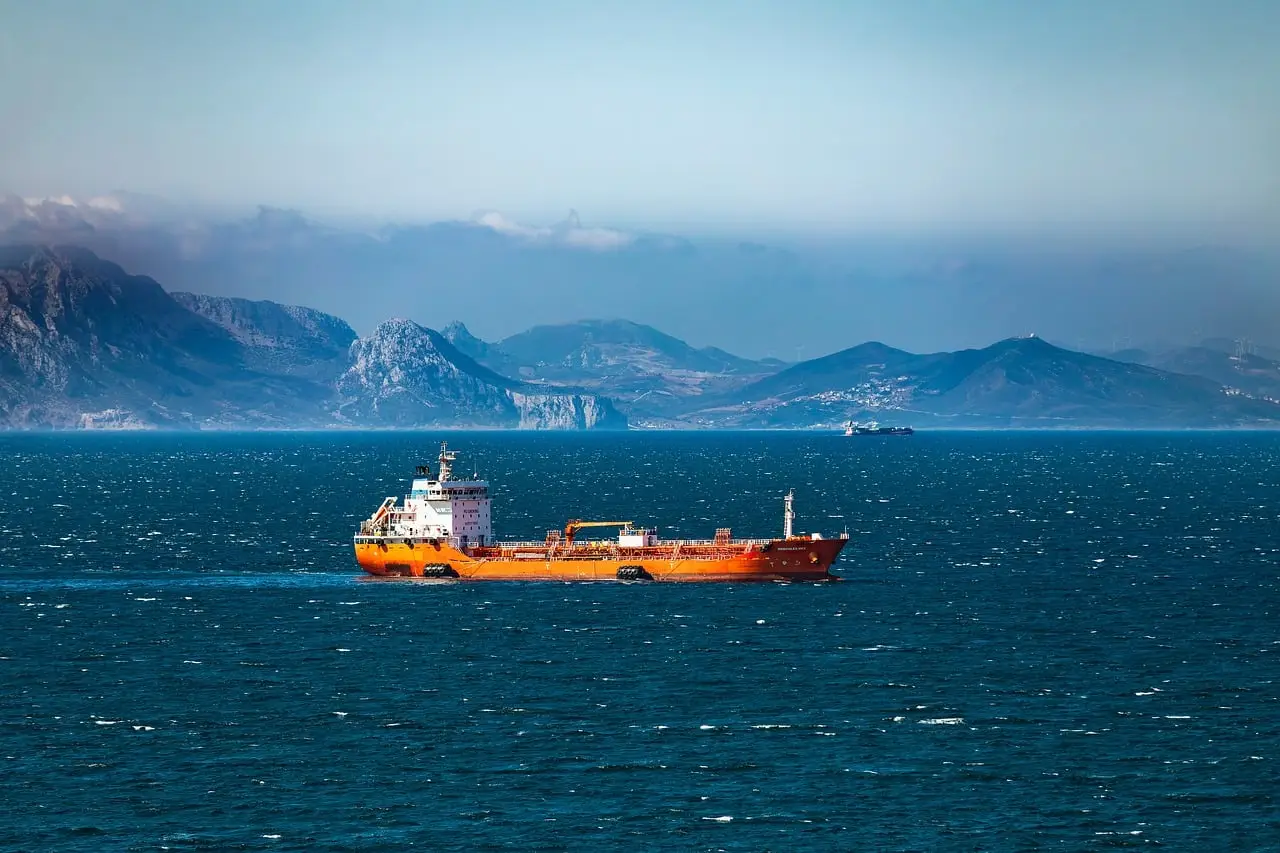
Iran's Revolutionary Guards Navy reported the tanker incidents through state media on Thursday. According to the force, two oil tankers struck naval mines in the strait and caught fire after the explosions. No independent verification of the claim exists so far.
The same day, missiles fired by the Iran-backed Houthis hit Riyadh. Saudi authorities said several floors of the city's tallest skyscraper were damaged but nobody was hurt. The tower serves as headquarters of the kingdom's sovereign wealth fund.
What does the supply picture look like?
A UBS analyst said growing Iranian attacks were holding back Middle Eastern exports at a time when China is buying more crude, leaving less oil at sea.
According to the International Energy Agency (IEA), the conflict has wiped out 2.8 billion barrels of oil and 60 billion cubic metres of gas that would otherwise have come from the Gulf.
Saudi supply is rising regardless. The kingdom's September crude exports jumped almost 21% month-on-month to 5.38 million barrels a day, per JODI data — the highest monthly volume since February 2026.
What's next?
OPEC+ meets on November 29 to set its production policy for 2027. That decision, not Hormuz headlines, will likely set the tone for a market still pricing in surplus.
via Marine Insight (Source)
More from Sophie Lindqvist
Show full bio
Market editor covering technology and product news in commercial shipping for industry professionals at Vessels.
102 articles
Linked entries
- Brent Heads for 5% Weekly Drop as Hormuz Flows Recover
- Brent Back Above $92 as Houthi Strikes and Hormuz Mines Resurface
- Brent Heads for Third Weekly Loss as Supplies Build Despite Hormuz Risk
- VLCC Earnings Sink 11.5% to $270,000/Day as Hormuz Talks Stall
- 15 attacks and piracy incidents in a week as tanker hit near Khasab