US Treasury Warns Singapore, Malaysia: Iran Sanctions Compliance or Consequences
US Treasury officials warned Singapore and Malaysia this week over Iran sanctions compliance, flagging maritime transport and STS transfers of Iranian oil as high-risk sectors facing enforcement.
Adjustments
- Treasury officials met regulators and national security bodies in Singapore and Malaysia this week to press Iran sanctions compliance
- Malaysia seized two tankers and their cargoes in February over Iranian oil STS transfers
- July sanctions hit dozens of individuals, vessels and companies tied to oil magnate Mohammad Hossein Shamkhani
- Iran Airtour flew Tehran–Kuala Lumpur as recently as November 14
- US cites Iran's worst GDP contraction in four decades and highest inflation since WWII
US Treasury officials sat down with regulators and national security bodies in Singapore and Malaysia this week with a blunt message: tighten enforcement of Iran sanctions, or face the risks that come with non-compliance. The warning extends to law firms and banks operating in both countries, which Washington wants on alert for Iranian front companies.
The push is part of a broader effort to enforce sanctions across Asia and, in the Treasury's framing, hasten an end to the Middle East conflict.
Which sectors are in the crosshairs?
Maritime transport tops the list. A Treasury official said the US is pressing for additional scrutiny of "high-risk" sectors — maritime transport, aviation services and procurement networks — "to make sure they're not fronting for Iran."
The official left no ambiguity about enforcement style. "We want it to be understood too, that we're going to target these lifelines, and it's not going to be a negotiation when we find a lifeline that needs to be targeted," the official said.
What's already happened on the water?
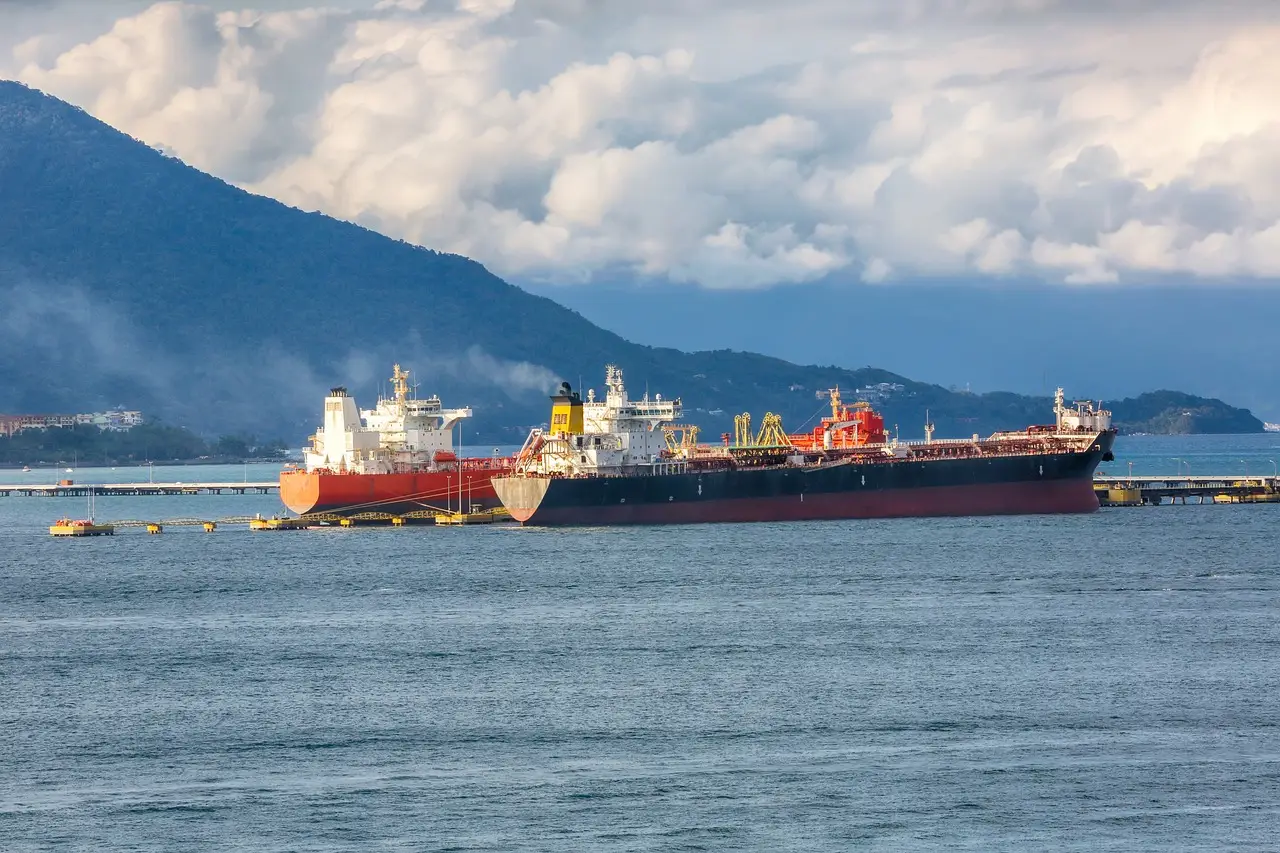
For years, tankers have made regular stops in the waters around Malaysia, Singapore and Indonesia for ship-to-ship transfers of Iranian oil — transfers that obscure the cargo's origin. Malaysian authorities said last year they would enforce the rules around these operations more tightly, and in February they seized two tankers and their cargoes.
The tempo has accelerated since the US and Israel began strikes on Iran in February. Since April, the US Navy has blockaded shipping reaching Iran through the Strait of Hormuz, and this month it has cracked down on movement over Iran's land borders and through the Caspian Sea.
In August, the Trump administration launched Operation Economic Outcast, unleashing sanctions on targets ranging from Canadian digital currency platforms to a major Russian banking group.
In July, the Treasury sanctioned dozens of individuals, vessels and companies based in Singapore, Hong Kong, the UAE, the Marshall Islands and St Kitts and Nevis, all linked to Iranian oil magnate Mohammad Hossein Shamkhani.
The US official said these measures were starting to bite, citing data showing Iran is undergoing its worst GDP contraction in four decades and its highest inflation rate since World War II. There is still work to do, the official conceded.
Why does an airline matter here?
Aviation is the second front. "There's an Iranian airline that flies to Malaysia, or has, recently, so we raised this," the official said, declining to name the carrier.
Public flight records identify a regularly scheduled service between Tehran and Kuala Lumpur operated by Iran Airtour, which flew as recently as November 14. A scheduled flight on November 17 did not depart. Iran Airtour did not respond to an emailed request for comment sent outside business hours on Friday.
Most Iranian airlines largely stopped flying to Malaysia in 2022, when US sanctions hit refuelling of Iranian planes. Iran Airtour, a privately owned carrier, resumed its Malaysia flights in November 2025, according to Iranian media.
On September 8, the US sanctioned dozens of companies in the UAE, Britain, Malaysia, Turkey and Kazakhstan for allegedly supporting Iran's aviation sector in moving weapons, personnel and illicit cargo. The next day, Iran Air officials met Malaysia's ambassador to Iran to discuss resuming direct flights between Iran and Kuala Lumpur.
How have the two governments responded?
Both Malaysia and Singapore implement UN Security Council sanctions on Iran. Singapore's government said in a statement it "is firmly committed to doing our part" and "preventing bad actors from abusing our corporate vehicles," pointing to efforts this year to strengthen vigilance in the maritime and financial industries.
The Malaysian government did not respond to requests for comment.
via MarineLink (Source)
More from Amara Osei
Show full bio
Senior reporter covering technology and product news in commercial shipping for industry professionals at Vessels.
125 articles
Linked entries
- US Treasury presses Singapore, Malaysia on Iran sanctions
- CENTCOM Warning: STS Transfers of Iranian Cargo Now Risk Seizure
- CENTCOM Widens Iran Blockade to Ship-to-Ship Cargo Receivers
- Sanctioned Suezmax Olym Offloads 200,000 Barrels at Sea as US Widens Blockade
- CENTCOM threatens ship-to-ship transfers tied to Iran oil blockade