Suez return sharpens 2027 schedule-reliability test for shippers
Maersk and Hapag-Lloyd are bringing ME1 and three Gemini services back through Suez, but Xeneta's 7% Far East–Europe on-time rate shows why 2027 tenders need service-level proof.
Adjustments
- Xeneta recorded 24% global on-time arrivals in October 2026, the lowest monthly average since July 2022.
- Far East–Europe on-time arrivals were 7%, with an average delay of 9.0 days in October 2026.
- ME1 began Suez routing in November; NE1, NE2 and NE3 transition from December 2026 into January 2027.
- Gemini averaged 9.4 days of delay, versus 6.8 days for Ocean Alliance and 7.8 days for MSC.
- Norway kept ISPS Level 3 in the Bab el-Mandeb Strait and Level 2 in the southern Red Sea on 30 October.
By Sophie Lindqvist
What does the Suez return change?
Far East–Europe vessel on-time arrivals fell to 7% in October 2026, while average delays reached 9.0 days, according to Xeneta’s Schedule Reliability Scorecard.
Container services returning to the Red Sea offer shorter Asia–Europe passages than the Cape of Good Hope. The shorter distance does not guarantee dependable arrivals, reliable transshipment connections or cargo availability.
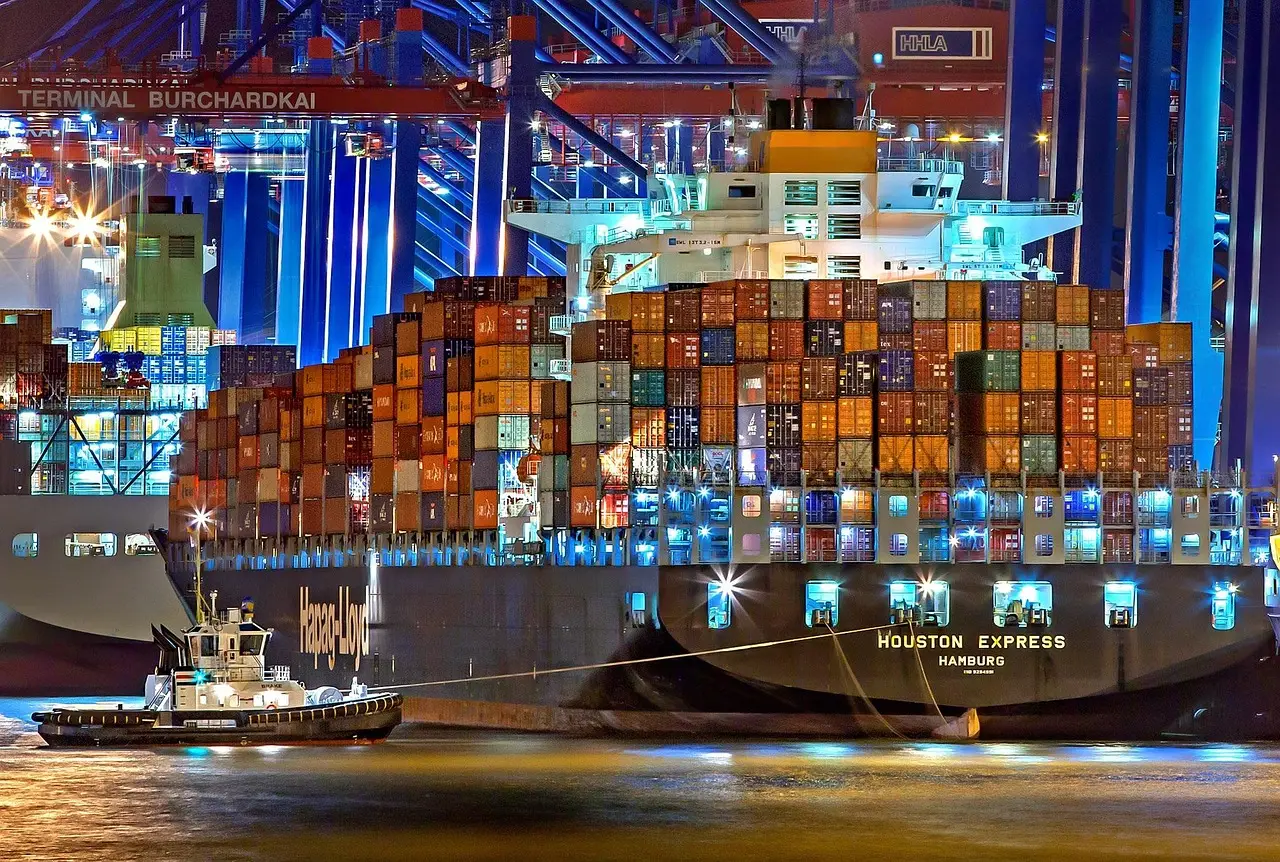
Maersk and Hapag-Lloyd moved their joint ME1 service, linking India and Europe, onto the trans-Suez route in November. Its first westbound and eastbound sailings were scheduled from Salalah on 4 November and Tangier on 13 November, respectively.
On 17 November, Hapag-Lloyd announced that Gemini services NE1, NE2 and NE3 would also return to Suez. Initial westbound transitions are scheduled across December 2026 and January 2027, making this a service-by-service transition rather than a network-wide switch.
For shippers preparing 2027 contracts, the route decision sets a planned transit time. It does not confirm a vessel’s arrival, a connecting service’s performance or cargo release.
Why does schedule reliability remain exposed?
Cape diversions extended Asia–Europe rotations and absorbed vessel capacity. Returning through Suez can release sailing days and support redesigned rotations, but schedules still depend on port calls, vessel deployment, buffer time, terminal congestion, transshipment connections and equipment-flow recovery.
Reliability varies by service, port pair and voyage direction. A service may use Suez westbound while retaining a Cape diversion eastbound; another may return only after a specified sailing date. A carrier-wide score can conceal those differences.
Maersk and Hapag-Lloyd say the transition dates remain subject to operational conditions, while further routing changes depend on the security situation. A tender should identify the exact service, direction, voyage and contingency, not merely the carrier’s announcement.
The Norwegian Maritime Authority’s 30 October notice kept International Ship and Port Facility Security (ISPS) Level 3 in force for Norwegian vessels in the Bab el-Mandeb Strait. Level 2 applied in the southern Red Sea and northern Gulf of Aden, so carriers may retain alternative routing options after a Suez return.
Xeneta recorded global on-time arrivals at 24% in October 2026, the lowest monthly average since July 2022. On Far East–Europe, Gemini services posted 7% on-time arrivals, against 23% for non-alliance services. Gemini averaged 9.4 days of delay, compared with 6.8 days for Ocean Alliance and 7.8 days for MSC.
These figures do not establish that the Suez return caused the delays. Xeneta cites disruption at Asian ports, typhoons, vessel queues and changes in blank sailings as broader pressures. The data show why shippers cannot treat a shorter route as proof of better schedule performance.
What should shippers test for 2027 contracts?
Before committing 2027 cargo volumes, shippers and forwarders should apply five service-level checks rather than rely on a carrier’s headline transit-time promise.
- On-time performance by port pair and direction: Request a rolling 12-month record for the actual service and trade lane, rather than a global carrier or alliance average.
- Delay severity: Compare average and median delay, and measure how often arrivals exceed the agreed delivery window. A high on-time percentage can conceal a small number of severe delays.
- Blank sailings and port omissions: Review cancellations, skipped calls, schedule revisions and changes to transshipment hubs. These can disrupt cargo plans even when the operating sailing arrives on time.
- Routing and contingency terms: Confirm whether the carrier can switch between Suez and the Cape, how notice will be provided, and how added transit time, surcharges or revised port rotations will be handled.
- End-to-end cargo availability: Track vessel arrival through discharge, cargo release and onward movement. Timely arrival does not guarantee availability for collection or connection to inland transport.
How does vessel performance affect the wider supply chain?
Vyansa Intelligence’s Global Captive Logistics Market Report estimates that transportation services account for around 40% of the global captive logistics market’s service-type segment. Its transportation-mode coverage includes seaways and inland waterways.
The 40% estimate does not measure ocean-carrier reliability. It illustrates transport execution’s weight within wider logistics networks, where vessel delays can affect inventory, warehouse slots and onward distribution.
Schedule reliability datasets do not always use identical coverage or calculation rules, so combining scores from different providers can create misleading rankings. Tender evidence should provide a like-for-like comparison using the same provider and methodology across the service, direction, port pair and reporting period the cargo will use.
What should decide a 2027 contract?
The Suez return can shorten voyages and improve vessel utilisation, but those benefits will emerge unevenly as carriers adjust rotations and retain contingency options. Reliability depends on each service’s consistency during the transition, downstream port and equipment-flow adaptation, and continued security conditions.
For 2027 contracts, the announced route remains one input, not the final verdict. The stronger service will demonstrate stable port rotations, controlled delays, transparent contingency arrangements and dependable cargo availability across the full journey.
Shammi Thakur, Research Director at Vyansa Intelligence, has more than 15 years of experience in market research, strategic intelligence and industry analysis. His work covers maritime and logistics research, industry developments, operational trends and factors shaping shipping and supply-chain decisions.
via vyansaintelligence.com (Original)
More from Sophie Lindqvist
Show full bio
Market editor covering technology and product news in commercial shipping for industry professionals at Vessels.
65 articles
Linked entries
- Suez Return Won't Fix Supply Chains Before 2027, DHL Warns
- Suez Traffic Bounces Back, But 3.6 Million TEU Still Stuck in Port Queues
- Gemini completes Suez return by mid-January as 600,000 teu floods back
- Suez regains 60% of Asia-Europe capacity amid Bab al-Mandab risk
- Ten of 14 Dry Bulk Routes Tighten as Asian Tonnage Squeeze Builds