Ship Emissions at European Ports Cost €2.5 Billion a Year
Ships running diesel generators at European ports cause €2.5 billion in annual health and climate damage, T&E finds, with AFIR's end-2026 review set to decide which vessel types must plug into shore power.
Adjustments
- Ship emissions at Europe's 100 largest ports cause €2.5 billion in annual damage, T&E calculates
- Rotterdam accounts for €340 million and Antwerp-Bruges for €270 million of the annual cost
- AFIR currently mandates shore power only for large container ships, ferries and cruise ships
- The EU is scheduled to review AFIR at the end of 2026
- Closing current exemptions could save €1.5 billion, and future rules could cut impact by 40% by 2030
Ships moored at Europe's hundred largest ports cause €2.5 billion in annual health and climate damage, according to a new analysis by Transport & Environment (T&E), the Brussels-based NGO that campaigns for cleaner EU transport policy. Rotterdam tops the damage table at €340 million, with Antwerp-Bruges second at €270 million.
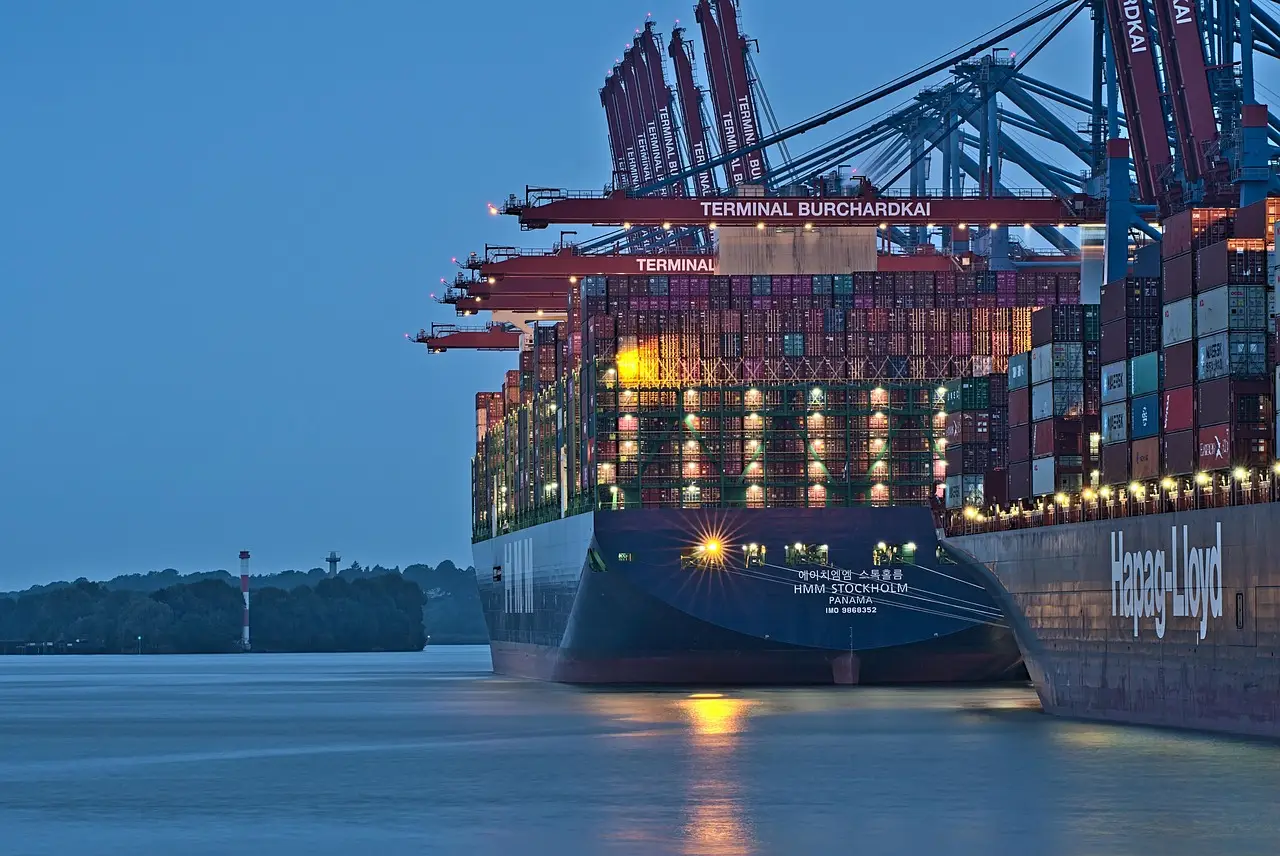
The cost stems from a simple operational fact: thousands of commercial vessels run diesel generators day and night at the quay to power onboard systems instead of connecting to the electricity grid. Shore power (onshore electrical supply that lets a ship switch off its engines after mooring) exists as the alternative, but EU rules do not currently require most vessel types to use it.
Who pays the €2.5 billion?
T&E argues the current arrangement shifts costs onto society. Because shipping lines pass the health and climate costs of fossil-fuel power at the quay on to the public, burning diesel at berth appears cheaper to the operator than it actually is. The bill lands on residents closest to the terminals: people living near commercial ports face a significantly higher risk of death from cardiovascular and respiratory disease, the analysis finds.
The €2.5 billion figure covers the hundred largest ports analyzed. Rotterdam's €340 million and Antwerp-Bruges' €270 million together account for roughly a quarter of the bloc-wide total. The report does not model how those costs would change if shore power were mandated for all vessel types.
What does the regulation currently cover?
The Alternative Fuels Infrastructure Regulation (AFIR), the EU's binding infrastructure rulebook for transport, requires shore-power connections for only three categories:
- Large container ships
- Ferries
- Cruise ships
The rule excludes gas tankers, bulk carriers and other cargo ships, leaving the segments that make up most port calls free to keep diesel generators running at berth.
Why 2026 matters
The EU is scheduled to review AFIR at the end of 2026, and that review is the next concrete checkpoint for whether shore-power obligations extend beyond the three covered vessel categories. For port communities and shipping businesses alike, the review will determine who has to invest in connections — and who keeps bearing the health burden.
T&E's report argues that closing the current exemptions could save €1.5 billion in health and climate costs. It also projects that future regulations could cut the environmental impact of ships at anchor by 40% by 2030.
The takeaway
Port pollution is currently an externality: ships and ports pass the cost to nearby residents, and the regulatory choice of which vessels must plug in directly shapes who bears the health burden. Expanding shore-power requirements beyond container ships, ferries and cruise ships is one of the policy levers the report identifies. How quickly any new rules are applied will determine when residents near major ports see changes in air quality.
The end-2026 AFIR review is the date to watch.
via Google News: IMO Regulation (Source)
More from Rebecca Stone
Show full bio
News editor covering people, launches and day-to-day practice in commercial shipping for industry professionals at Vessels.
175 articles
Linked entries
- FuelEU surplus fell from €193 to €84 a tonne as Bio100 beat BioLNG
- Extreme weather could nearly double oil and LNG port damage by 2050
- 15+ Terminal Deals in Ten Months: Carriers Buy Their Way to Berths
- Shanghai-Genoa spot rate rises 12.7% as Europe faces clustered ships
- $200bn in Dual-Fuel Ships Won't Cut Emissions Alone, WSC Warns