Shanghai-Genoa spot rate rises 12.7% as Europe faces clustered ships
Drewry's Asia-Europe spot assessments rose 12.7% to Genoa and 8.3% to Rotterdam as clustered arrivals test European port handling and carriers' pricing power.
Adjustments
- Drewry's Shanghai-Genoa spot assessment rose 12.7% between Oct. 8 and Nov. 5, 2026.
- Shanghai-Rotterdam rose 8.3% over the same period, with both routes remaining below general rate increases.
- Antwerp-Bruges reported its strongest container quarter since late 2020; nine-month container throughput rose 1.2% while total cargo fell 0.8%.
- Rotterdam total throughput rose 0.9% to 323.2 million tons over the first nine months.
- November 2026: Sogese's Europe Container Market Update is scheduled to show how much of announced price increases carriers have secured.
Asia–Europe container spot rates rose 12.7% on the Shanghai–Genoa route and 8.3% on Shanghai–Rotterdam between Oct. 8 and Nov. 5, 2026, according to Drewry. Both remained below announced general rate increases.
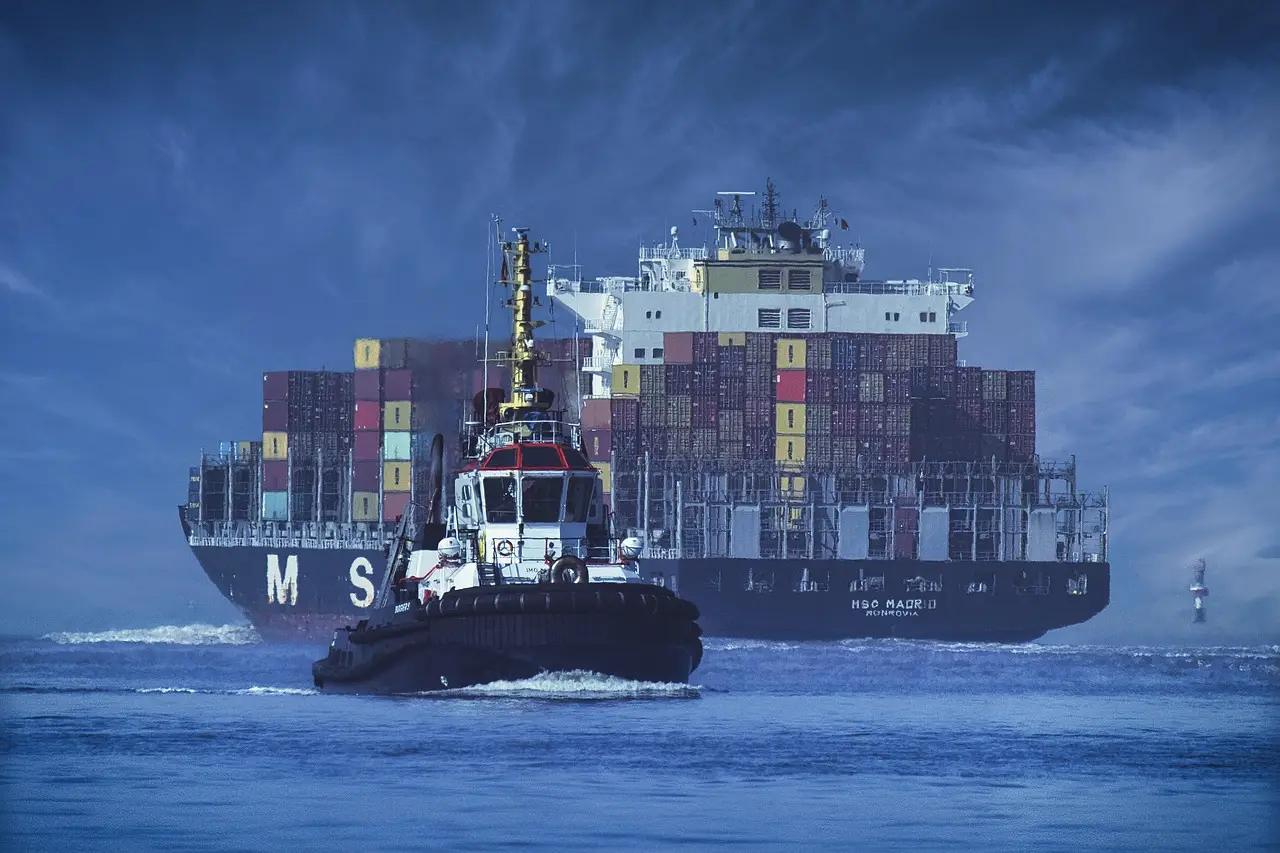
The climb through October and early November came as European ports prepared for ships arriving in clusters. The market’s arithmetic is awkward: services returning to Suez were freeing vessel capacity faster than schedule reliability recovered, pulling rates up unevenly across ports. Carriers compete for that capacity while terminals absorb the arrivals. A tidy little bottleneck, with invoices attached.
What do clustered arrivals change?
Clustered arrivals affect how much cargo European ports can handle on a given day and what importers pay to move goods from Asia. The decisive issue is pass-through: whether carriers can secure the full announced increase from customers will determine whether the rise holds.
What are Europe’s gateways showing?
Port of Antwerp-Bruges, one of Europe’s largest seaports, handles container and bulk cargo in Belgium. It reported its strongest container quarter since late 2020 in the third quarter, with container throughput up 1.2% over the first nine months while total cargo fell 0.8%.
Port of Rotterdam, the largest seaport in Europe and a major gateway for container cargo entering the continent, lifted total throughput 0.9% to 323.2 million tons over the same period.
Drewry is the London-based shipping consultancy publishing the widely followed container freight assessments used in this market. Eurostat is the EU statistical office publishing official trade and economic data for member states. The rate figures here, however, come from Drewry.
When did the rates move?
- Oct. 8, 2026: Drewry’s rate assessment period begins.
- October 2026: Asia–Europe spot rates to North Europe and the Mediterranean begin rising.
- Nov. 5, 2026: Drewry’s rate assessment period ends.
- November 2026: Sogese’s Europe Container Market Update is scheduled for publication.
Within that window, Drewry’s Shanghai–Genoa assessment gained 12.7% and Shanghai–Rotterdam added 8.3%. The broader rise covered Asia–North Europe and Mediterranean routes.
Can carriers turn announcements into revenue?
The Nov. 22, 2026 update left one question unanswered: how much of the announced increases can carriers secure from customers?
Sogese’s Europe Container Market Update, scheduled for November 2026, is due to show how much of the announced price increase carriers have secured. Watch the November rate data for the same conversion; it will indicate whether freight costs keep rising into the winter season. Announced price becomes actual revenue only when the customer accepts it.
What should importers check now?
Importers bringing goods from Asia into Europe may see higher freight charges passed through in coming weeks as spot rates climb. If downstream businesses absorb those costs, consumers may see the effect in retail prices.
Businesses importing from Asia should review contracted rates against spot benchmarks before the next booking cycle. Doing it after the benchmark has moved is an exercise in hindsight.
Bottom line: services returning to Suez are freeing vessel capacity faster than schedule reliability is recovering, clustered arrivals affect daily port handling, and announced increases still need customer acceptance. The winter cost path remains unresolved. That is the clearer verdict, at least.
via Google News: Container Shipping (Source)
More from Amara Osei
Show full bio
Senior reporter covering technology and product news in commercial shipping for industry professionals at Vessels.
160 articles
Linked entries
- World Bank: terminals at 72.2% utilisation, already past congestion line
- Drewry WCI at $4,176, up 126% YoY as Capacity Squeeze Meets Record Orderbook
- Drewry's World Container Index Slides 3% to $4,176 per 40ft
- Port congestion is the new normal, MSC chief Toft says
- Drewry WCI Slides 3% to $4,176 as Transpacific Rates Sink