Seaspan places $182m steel order for up to six Canadian icebreakers
Algoma Steel and Stigterstaal won a $182 million order for up to 24,000 tonnes of Canadian plate, supporting up to six 100-metre Polar Class 4 icebreakers.
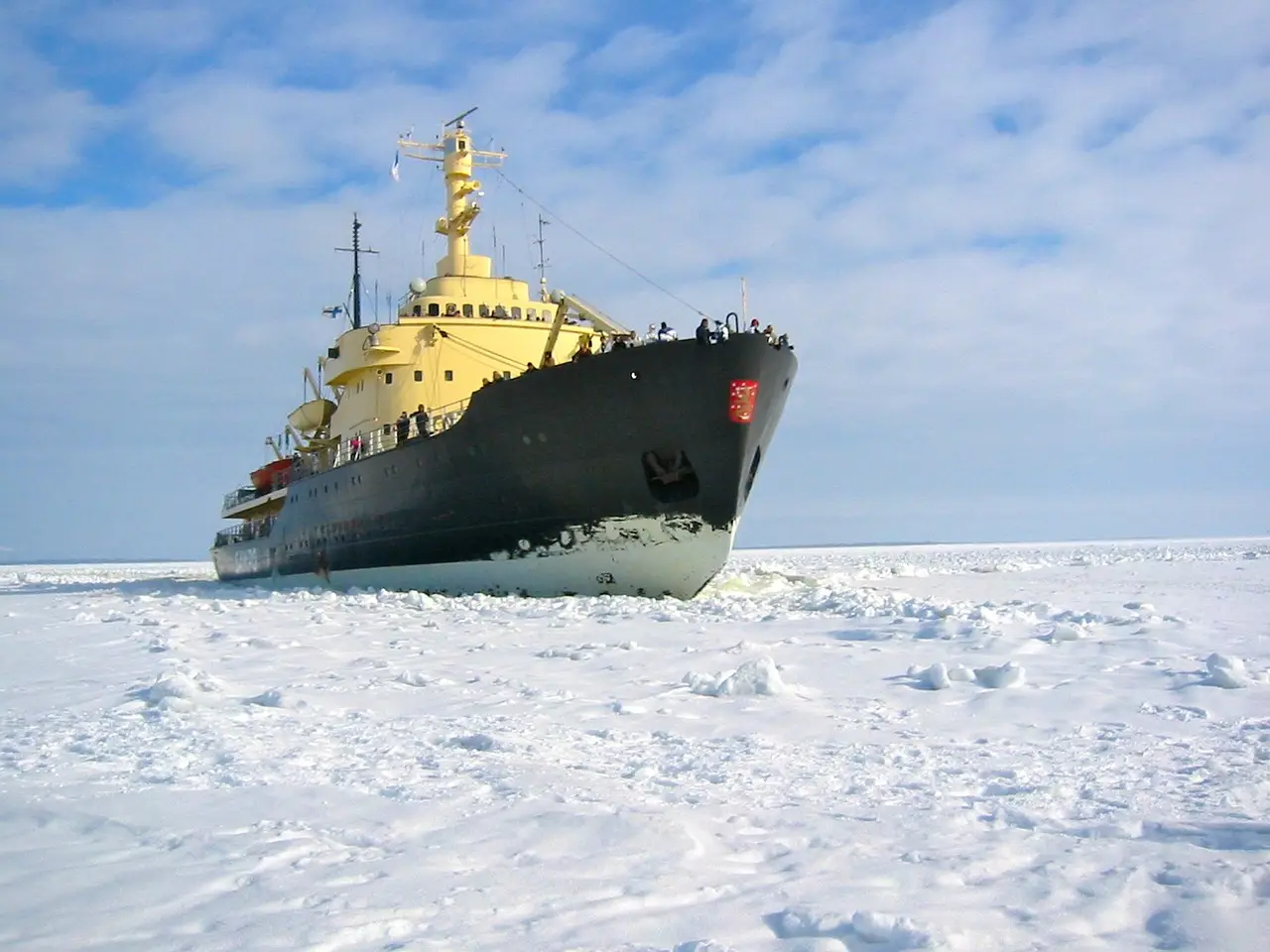
Adjustments
- Algoma Steel and Stigterstaal Canada won a $182 million primary plate supply agreement.
- The order covers up to 24,000 tonnes, or 4,000 tonnes per vessel, for as many as six MPIs.
- The broader MPI initiative has up to 16 vessels on Seaspan’s orderbook.
- Each MPI will measure about 100 metres, displace nearly 9,000 tonnes and carry 50 crew.
- Seaspan’s NSS supply chain includes more than 880 Canadian companies and more than $3 billion in contracts.
Algoma Steel and Stigterstaal Canada will supply up to 24,000 metric tonnes of Canadian-made structural steel for up to six multi-purpose icebreakers (MPIs), under an agreement valued at about $182 million. Seaspan Shipyards named the companies as primary steel plate suppliers for the program. The schedule provides 4,000 metric tonnes per vessel, reaching the 24,000-tonne ceiling at six hulls.
The agreement supports Seaspan’s construction of Canadian Coast Guard MPIs under Canada’s National Shipbuilding Strategy (NSS). It extends a strategic partnership the three companies established in 2025 to strengthen Canada’s domestic steel and marine manufacturing industries. The three companies say the arrangement targets further collaboration across Canada’s industrial base.
Seaspan said the agreement supports “Canada’s long-term sovereign shipbuilding and Arctic security objectives.” It also advances Canada’s defence industrial base and creates a more resilient domestic supply chain for marine and defence programs.
What makes the order record-breaking?
Algoma described the commitment as the largest order of polar-class steel in the mill’s history. That record scope also includes Seaspan’s flagship heavy polar icebreaker, the future CCGS Imnaryuaq. The MPI program ranks among the biggest shipbuilding initiatives ever undertaken for the Coast Guard, with up to 16 vessels on Seaspan’s orderbook.
How does the steel partnership work?
Algoma will produce the MPI structural plate, drawing on its reputation for high-quality sustainable Canadian steel. Stigterstaal contributes expertise in marine steel processing and distribution, while Seaspan brings the shipbuilding requirement. The companies say that coordination creates certainty and long-term value for Canada’s marine and defence industries.
The 2025 partnership already targeted stronger domestic steel and marine manufacturing. This agreement turns that broader objective into a defined plate commitment tied to the Coast Guard’s construction program.
What will the icebreakers do?
Seaspan’s Canadian design team developed the MPIs for service in the Lower Arctic and offshore environments. Their principal characteristics are:
- Length: approximately 100 metres.
- Displacement: nearly 9,000 tonnes.
- Crew: 50 personnel.
- Propulsion and ice class: advanced diesel-electric propulsion with Polar Class 4 (PC4) capability.
The Coast Guard says the vessels will strengthen icebreaking, search and rescue, environmental response and maritime sovereignty capabilities. They will also support Canada’s presence in the North.
All MPIs will be built at Seaspan Shipyards in British Columbia, using Canadian steel. The build forms part of Seaspan’s broader effort to increase Canadian-made materials in shipbuilding under the NSS. It also links Canadian workers with Canadian steel as the yard seeks to strengthen Canada’s maritime defence.
How broad is the domestic supply chain?
Through the NSS, Seaspan says its supply chain includes more than 880 Canadian companies and more than $3 billion in contracts. The company expects the icebreaker program to deliver industrial and regional benefits across Canada’s marine industry.
Seaspan has developed a Canadian workforce with the skills to weld steel thick enough to cut through Arctic ice. The yard says Canadian materials and that workforce will equip the Coast Guard with a new generation of polar icebreakers. Its stated aim is to strengthen Canada’s position at sea and protect its coastlines.
via Google News: Shipbuilding (Source)
More from Sophie Lindqvist
Show full bio
Market editor covering technology and product news in commercial shipping for industry professionals at Vessels.
163 articles