ONE adds 13,932-TEU Symphony to Asia-Latin America service
ONE’s 13,932-TEU Symphony joins the Asia-Latin America service with MSC and Hapag-Lloyd, adding reefer capacity as one of 20 ammonia- and methanol-ready newbuildings.
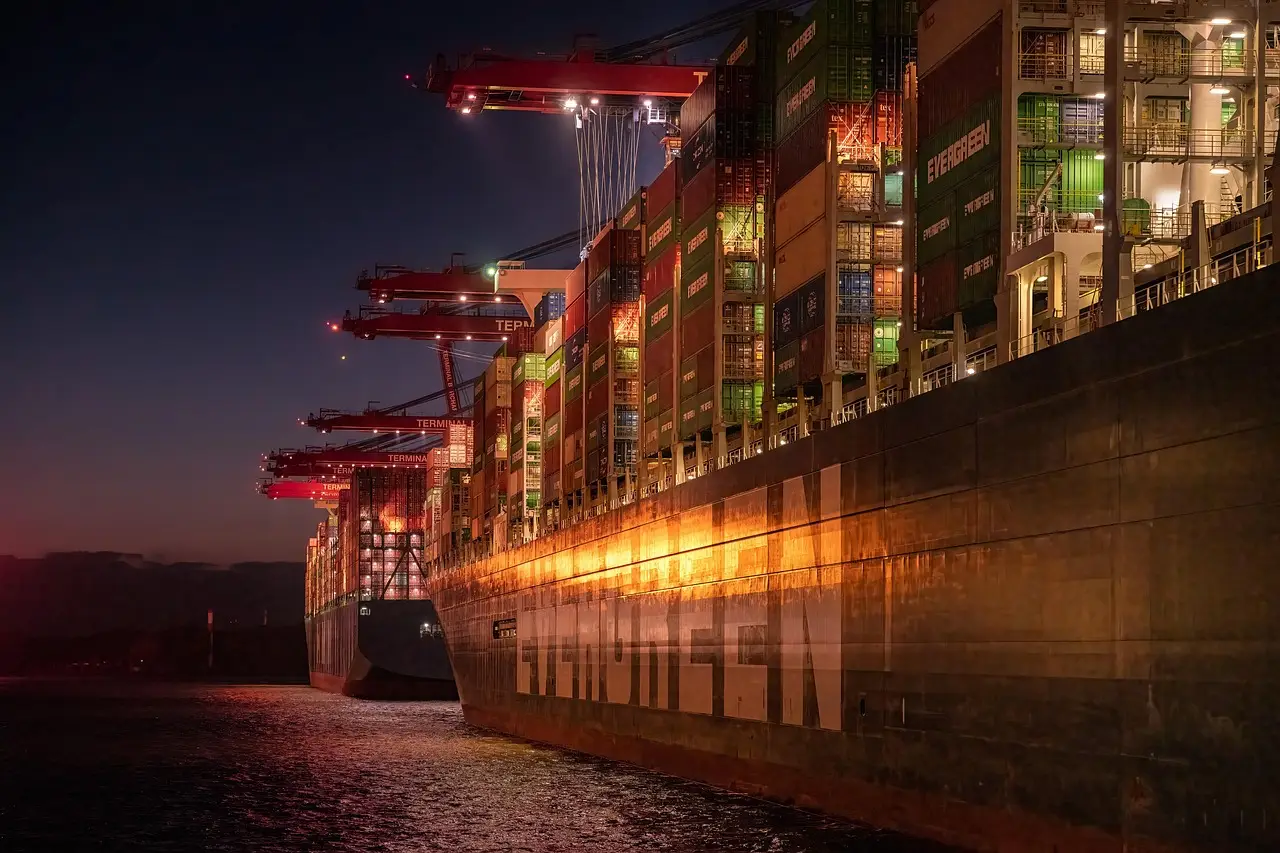
Adjustments
- ONE Symphony has 13,932 TEU capacity and joins ONE’s Asia-Latin America service.
- Imabari Shipbuilding delivered the ship on Oct. 23; it departed Yokohama for Ensenada on Nov. 15.
- The 335.94-metre vessel has 140,233 GT and deadweight of 160,200 tonnes.
- Its 48,000 kW seven-cylinder engine drives the ship at roughly 22 knots.
- It is one of 20 ammonia- and methanol-ready newbuildings, with EEDI 60% below the regulatory reference.
ONE has added the 13,932-TEU container ship ONE Symphony to its Asia-Latin America service, expanding fleet capacity on a route operated jointly with MSC and Hapag-Lloyd. The compact Neo-Panamax vessel was delivered on October 23.
Imabari Shipbuilding built the ship at its Marugame facility in Kagawa Prefecture, Japan. It is one of 20 ammonia- and methanol-ready newbuildings in ONE’s orderbook, extending the carrier’s preparation for lower-emission propulsion.
The update, dated November 19, 2026, follows the vessel’s departure from Yokohama on November 15 for Ensenada, Mexico. ONE Symphony carries a Singapore flag and is classed by Lloyd’s Register.
What does the vessel add to the service?
ONE Symphony measures 335.94 metres in length overall, with a gross tonnage of 140,233 and deadweight of 160,200 tonnes. Its 48,000 kW seven-cylinder engine drives the ship at roughly 22 knots.
The published specifications “do not address fuel consumption in operation,” according to the report, so the delivery comes without a verified running-consumption benchmark. The available figures establish size and installed power, but not real-world fuel economy.
The vessel’s refrigerated-cargo capacity and fuel-readiness features address two active liner requirements: moving temperature-sensitive goods and preparing for lower-emission propulsion. Together, they reflect continued industry investment in reefer equipment and alternative-fuel capability on long-haul services.
Which ports are in the rotation?
The Asia-Latin America service includes calls at ports including:
- China: Ningbo, Shanghai and Qingdao.
- South Korea: Busan.
- Mexico: Manzanillo.
- Guatemala: Puerto Quetzal.
- Colombia: Buenaventura.
- Peru: Callao.
- Ecuador: Guayaquil.
The named rotation spans East Asia, Mexico’s Pacific coast, Central America and the west coast of South America. Symphony left Yokohama for Ensenada on November 15 before taking its place in that service.
How does Symphony fit ONE’s fleet transition?
ONE is a Singapore-headquartered container line formed through the merger of three Japanese carriers, and it operates global liner services. Imabari Shipbuilding, the yard behind Symphony, is a Japanese shipyard group described as one of the world’s largest builders of commercial vessels.
Symphony forms part of a 20-vessel fuel-ready pipeline rather than an isolated addition. Its existing ship energy-efficiency index (EEDI) sits 60 per cent below the regulatory reference value, placing it among efficiency-focused designs for the Neo-Panamax class.
The fuel-ready designation covers ammonia and methanol, while the EEDI comparison quantifies design efficiency against the regulatory reference. Neither the designation nor the index supplies an operating-consumption figure for Symphony itself.
What can shippers and fleet managers expect?
Shippers moving reefer cargo on the Asia-Latin America lane may see added capacity once Symphony enters regular service. The report confirms “no change to freight rates or sailing schedules” for customers, so the deployment brings neither a stated price adjustment nor a confirmed schedule revision.
No numerical reefer capacity is given, and the report does not identify the fuel planned for the Yokohama-Ensenada voyage. Shippers should therefore separate the confirmed vessel addition from any unquantified reefer uplift or fuel-consumption assumption.
The broader signal concerns fleet readiness: carriers are preparing for fuel transitions before regulatory deadlines compel them. Long-haul shippers may increasingly weigh vessel specifications alongside freight price and transit time, especially where alternative-fuel readiness signals operational change before rules require it.
via Google News: Container Shipping (Source)
More from Sophie Lindqvist
Show full bio
Market editor covering technology and product news in commercial shipping for industry professionals at Vessels.
102 articles
Linked entries
- ONE Symphony joins Asia–Latin America run as 13,932 TEU ammonia-ready newbuild
- Tsuneishi Launches Unnamed Kamsarmax at Fukuyama Yard
- MSC tops 10 million TEU as fleet and orderbook match 2006 world total
- NYK Names World's First Ammonia-Dual-Fuel MGC Izanami
- PIL books seven 1,400 TEU methanol-ready boxships at Huanghai