Navy Secretary Nominee Cao Wants Korean Tech, U.S. Yards Only
Navy secretary nominee Hung Cao wants Korean shipbuilding technology but American yards and workers, narrowing the cooperation Washington proposed while CBO pegs the 398-ship fleet plan at $48.9bn a year.
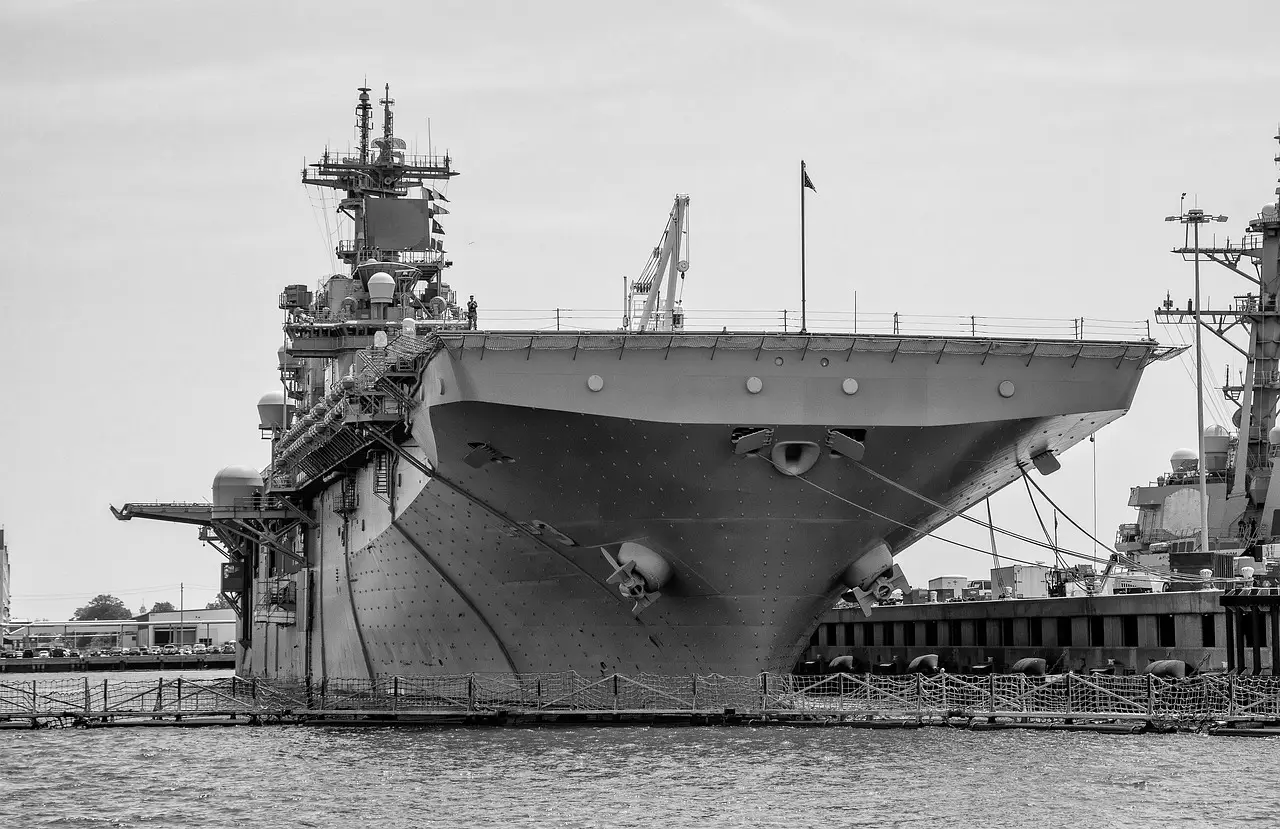
Adjustments
- Hung Cao told his Nov. 17 Senate confirmation hearing U.S. Navy ships should be built in the U.S. by American workers, while praising Korean shipbuilders' efficiency.
- GAO projected the first Constellation-class frigate three years late after construction began before design completion.
- CBO counted 286 U.S. Navy battle force ships as of Nov. 1; DoD put China's navy at 370+ ships, projected 435 by 2030.
- The fiscal 2027 30-year plan would reach 398 ships by 2056 at an average $48.9 billion a year for new construction.
- The U.S.–Korea Shipbuilding Cooperation Center opened in Washington in July.
Three years late, $48.9 billion a year, 286 battle force ships. Those numbers explain why Washington asked Seoul for help — and why Hung Cao's Nov. 17 confirmation testimony before the Senate Armed Services Committee landed so awkwardly in Seoul.
Cao, nominated as U.S. Navy secretary and currently acting secretary, told senators that even companies new to Navy shipbuilding should build ships in the United States with American workers. He praised Korean shipbuilders' efficiency and said the U.S. should learn from their technology and production methods. On an amendment that would strip the president's authority to grant exceptions for overseas construction, he said the proposal warranted further review and declined to take a position.
Take Korean know-how, keep the steel in American yards. That narrows the cooperation Washington itself put on the table.
How did we get here?
In November 2024, then-President-elect Donald Trump phoned then-President Yoon Suk Yeol, cited Korea's shipbuilding and maintenance capabilities and called for talks on how the country could help U.S. shipbuilding. A year later, the joint fact sheet issued after the Trump–Lee Jae Myung summit covered investment in U.S. shipyards, workforce training and naval ship maintenance — and explicitly left open building U.S. ships in Korea.
A joint document. An option. Then a nominee who prefers otherwise.
Why does the U.S. need the help?
Trump's August 2026 memorandum listed the causes itself: overly complex designs, repeated design changes, limited shipyard capacity and weakened supply chains. The Government Accountability Office projected the first Constellation-class frigate would arrive three years behind schedule — because construction started before the design was finished.
The fleet math is no kinder. The Congressional Budget Office counted 286 U.S. Navy battle force ships as of Nov. 1, while the Pentagon's 2024 assessment put China's navy at more than 370 ships, projected to reach 435 by 2030. Adm. Daryl Caudle's fiscal 2027 30-year shipbuilding plan, with its mix of crewed ships and uncrewed systems, would get the U.S. to 398 ships by 2056 — with new construction alone averaging $48.9 billion a year. The reporting dates and ship types differ, and the U.S. holds the edge in carriers and blue-water operations. But the count of hulls actually available, once maintenance periods come out, determines how long a navy can sustain presence in several regions at once.
Korean yards, for their part, integrate design with production, draw on a skilled workforce and established suppliers, and build in series. A cost and schedule comparison under identical performance requirements and equipment specifications would show what that's worth. Deciding where to build before making the comparison risks passing up ships sooner and cheaper.
What does the Trump memo actually say?
The August memorandum did propose using allied shipyards for first ships in selected classes, with follow-on ships built in the U.S., tied to conditions on investment in American yards and hiring and training of U.S. workers. Under national security exception procedures, the logic was early delivery from allies, then follow-on orders to expand the U.S. skilled workforce and supply chain. Cao put U.S. production and employment first at his hearing. Protecting American jobs is a legitimate responsibility of a Navy secretary. Washington now owes everyone an answer on whether that choice gets the Navy its ships on time.
Context matters for the earlier signals too. In 2024, Carlos Del Toro cited Korean and Japanese cost competitiveness while stressing the need to rebuild U.S. capacity. In 2025, John Phelan visited Korean yards and focused on maintenance and operational availability for Indo-Pacific-deployed ships. Before rewriting investment policy around one nominee's testimony, the column argues, Seoul should watch how the White House guidance shows up in Navy procurement plans and congressional legislation.
What should the cooperation center actually do?
The U.S.–Korea Shipbuilding Cooperation Center opened in Washington in July. The proposal on the table: for the same class and performance requirements, compare construction costs, contract-award-to-delivery times, capital investment in facilities, and post-delivery maintenance costs in both countries. Then, as the two sides estimate delivery gains and U.S. job creation, each contract should specify:
- how many orders Korean companies receive;
- what role their Korean suppliers play;
- what they're paid for use of their technology.
Korean investment in the U.S., on this logic, should scale only as order volumes and investment-recovery terms firm up.
The Lee administration's part: a U.S. legal advisory desk at the center, so companies know before signing whether projects trigger foreign investment review, defense procurement and security requirements, or export controls on technology transfers. Where interpretations of licensing or approval rules diverge, Seoul should consult the relevant U.S. authorities directly.
The verdict
If Washington decides where ships are built and asks Korea to contribute only technology and capital, Korean companies have less reason to invest. The U.S. sought Korea's help to rebuild its fleet faster and restore its shipbuilding base; that requires giving Korean companies work and returns commensurate with what they put in.
A two-way street, or a one-way toll.
via Google News: Shipbuilding (Source)
More from Amara Osei
Show full bio
Senior reporter covering technology and product news in commercial shipping for industry professionals at Vessels.
217 articles
Linked entries
- Navy nominee Cao says allied shipbuilders hold key to US shipbuilding gap
- MARAD delegation tours HD Hyundai Heavy's Ulsan yard
- US Navy Acting Secretary Cao Calls for Japanese and Korean Help to Close Shipbuilding Gap With China
- Toti proposes foreign-invested US frigate yard amid congressional split
- Chao: U.S. Builds Less Than 1% of World's Large Ships