Mexico City green-lights first phase of $6.26bn Manzanillo build-out
Mexico's environment ministry has conditionally approved phase one of the US$6.26bn Puerto Nuevo Manzanillo project, which will quadruple the port's area to over 1,880ha and triple box capacity.
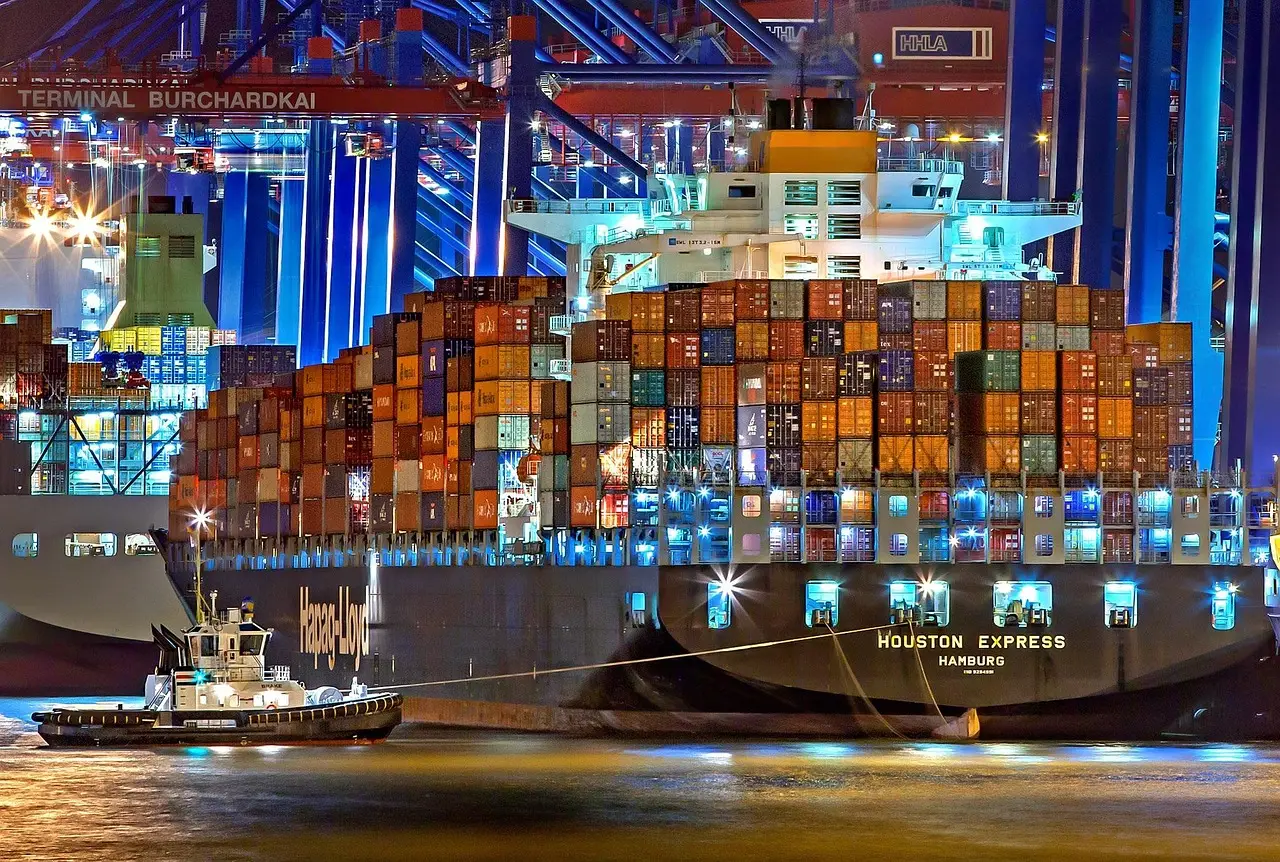
Adjustments
- Puerto Nuevo Manzanillo is a M$118.39bn (US$6.26bn) project raising the port's operating area from 450ha to more than 1,880ha and tripling container capacity
- Phase one construction begins in January and runs about six years, building platforms for two container terminals and navigation channels
- Manzanillo handled close to 3.16m teu in the first nine months, up 9.5% year on year
- Hapag-Lloyd's Asia-Mexico Express launches in January with weekly panamax calls at Ensenada, Manzanillo and Lazaro Cardenas
- China's exports to Mexico will exceed $130bn this year against $10bn in Mexican exports to China, per economy secretary Marcelo Ebrard
Mexico will spend M$118.39bn (US$6.26bn) to more than quadruple Manzanillo's footprint, after the country's environmental agency conditionally approved the first phase of the Puerto Nuevo Manzanillo project.
The Secretariat of Environment and Natural Resources signed off on a revised proposal from Asipona Manzanillo, the port administration. The original submission was closed last December. That rejection got little airtime at the time. Now the project is back on the table with conditions attached — details of which the port administration has not spelled out.
What does phase one actually deliver?
The expansion lifts the port's operating area from 450ha to more than 1,880ha and triples its container throughput capacity. Construction on phase one should start in January and run about six years, according to the approved plan. Work covers platforms for two container terminals plus new navigation channels.
Phase two remains conditional. If approved, it would begin in January 2049, adding two more box terminals, a multi-use facility and expanded rail infrastructure. A 2049 start date for the second half of a project is a planning assumption, not a commitment. Governments change, and so do port strategies.
Why the rush?
Numbers explain it. Manzanillo, the nation's largest container port, moved 2.07m teu in the first half, up nearly 10%. For the first nine months it registered close to 3.16m teu, up 9.5% year on year.
Lazaro Cardenas, the second-largest Pacific gateway, grew 7% in the January-September period to almost 1.58m teu. Tonnage there jumped 14% to 17.48m tonnes.
The administration in Mexico City backs the build, eager to expand transpacific trade. That political support matters for a project of this scale, but it also ties the port's fate to election cycles.
Are carriers following the cargo?
Hapag-Lloyd announced two new Asia-Latin America services last week for the coming year. The first, launching in January, is the Asia-Mexico Express: a weekly loop with panamax vessels from Ningbo and Qingdao via Busan to Ensenada, Manzanillo and Lazaro Cardenas, with transits from Mexican ports to west coast Latin American destinations.
The second service, scheduled for April, will serve South America's east coast.
Carriers adding capacity into a corridor is a demand signal — until tonnage outruns cargo growth and rates slide, which is what skeptics watch for when two loops land at once.
What about the China angle?
This month, President Claudia Sheinbaum led a delegation to the APEC summit in Guangzhou, aiming to deepen commercial ties with Asian nations. Talks included a meeting with Chinese officials and produced an agreement to set up a working group to explore mechanisms to bolster Mexican exports to China, primarily agricultural.
Marcelo Ebrard, Mexico's secretary of economics, laid out the imbalance: China's exports to Mexico will exceed $130bn this year, while trade in the opposite direction is just $10bn. That is a 13-to-1 gap — a fact that puts hard limits on how fast Mexican export cargo could ever fill those new terminals, whatever the working group concludes.
A working group to "explore mechanisms" is a study, not a trade deal. The asymmetry Ebrard cited will not be closed by a committee meeting schedule.
The bottom line
Manzanillo has a permit, a budget and six years of construction ahead. Cargo growth is real and carriers are committing tonnage. The unanswered questions sit in phase two, in the conditions attached to the environmental approval, and in whether Mexico can generate enough outbound cargo to justify a 1,880ha port on its Pacific coast.
via The Loadstar (Source)
More from James Calloway
Show full bio
Correspondent covering technology and product news in commercial shipping for industry professionals at Vessels.
150 articles
Linked entries
- Mexican container traffic rose 2.4%, sharpening the build-or-tune test
- Chennai woos Taiwanese carriers with $1.88bn terminal pitch
- Posorja terminal expands to 800m berth and 1.4m TEU capacity
- DP World raises Maputo investment to $200m, targets 650,000 TEU
- Three bidders vie for Rs 117.33bn VOC marine package