Jeyenderan urges shore-tank oversight for Malaysia’s oil trade push
Maritime Network CEO Datuk Seri R. Jeyenderan says Malaysia must monitor oil cargoes after discharge, when tank transfers, processing and re-export can test customs records.
Adjustments
- The IMO adopted the shipboard blending amendment in May 2012.
- SOLAS Chapter VI Regulation 5-2 took effect on January 1, 2014.
- The shipboard rule bans physical blending and onboard production during a sea voyage.
- Section 35N covers four record stages: receipt, handling, storage and delivery.
- No operator, cargo, tank farm or breach was identified in Jeyenderan’s statement.
By James Calloway
SOLAS Chapter VI Regulation 5-2 has prohibited physical blending of bulk liquid cargoes aboard ships since January 1, 2014. The International Maritime Organization adopted the amendment in May 2012, and the rule remains in force.
Speaking in Kuala Lumpur on November 22, 2026, Maritime Network Sdn Bhd chief executive officer Datuk Seri R. Jeyenderan said Malaysia’s ambition to strengthen its position as a regional oil trading and bunkering hub requires effective monitoring of petroleum cargoes after discharge.
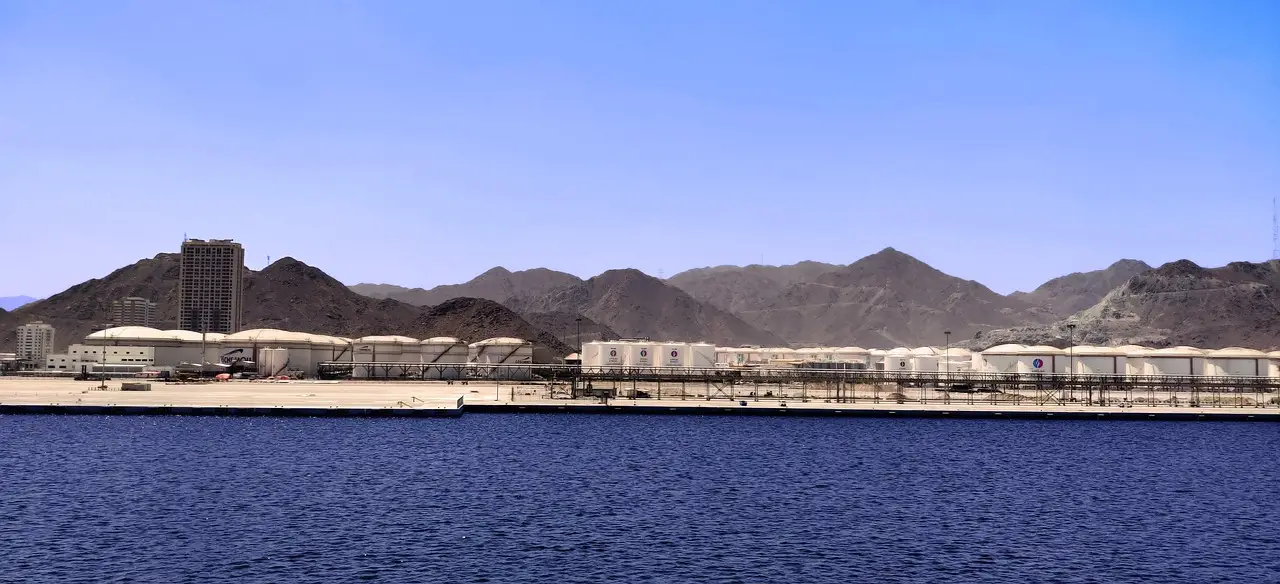
His concern reaches across the port boundary. It covers oil transferred, stored and handled in shore-based facilities before final delivery.
What does the shipboard ban cover?
The regulation prohibits physical blending of bulk liquid cargoes on board during a sea voyage. It also bars production processes carried on board. In practical terms, a tanker cannot use its onboard pumping system to circulate different cargoes during a sea voyage with the intent of producing a new petroleum product.
The rule does not eliminate every cargo transfer. It provides exceptions for:
- Cargo transfers needed for the safety of the ship and crew;
- Cargo transfers needed to protect the marine environment; and
- Ships supporting offshore seabed-mineral operations.
The regulation does not define “sea voyage.” Industry practice generally treats it as the period when a vessel is outside port limits, as determined by the respective port authorities. That boundary leaves discharge and subsequent shore handling outside the shipboard blending prohibition, though customs and licensing controls still apply.
What can happen in shore tanks?
At shore facilities, operators may transfer oil cargoes between storage tanks. They may combine it with other products, process it or re-export it before the cargo reaches its final destination. None of those steps is automatically unlawful. Operators must still meet customs and licensing requirements, particularly for cargo documentation and declarations.
Two distinctions matter under the maritime rule:
- Moving cargo between tanks is not itself prohibited.
- Combining identical cargoes without producing a new product is not prohibited, according to guidance from Gard, a protection and indemnity (P&I) club.
The contrast is concrete: a tanker at sea cannot become a refinery, while shore facilities can handle cargo lawfully when the required records and licenses are in place.
Why do customs records matter?
Lawyer GK Ganesan set the boundary for port oversight. He said:
“At sea the rule is clear, you may not turn a tanker into a refinery. Ashore, the question is not whether the law exists. It does.”
Ganesan tied shore oversight to Section 35N of the Customs Act 1967. The provision requires those who store and handle goods held for transhipment to keep records of receipt, handling, storage and delivery.
“Section 35N of the Customs Act 1967 requires those who store and handle goods held for transhipment to keep records of their receipt, handling, storage and delivery. The question is whether those records were kept, and whether they match what was declared.”
Ganesan also said crude entering a tank and fuel oil leaving it must appear in the paperwork. A declaration describes the cargo and cannot turn it back into what it was.
He cautioned that no one had said a law was broken, and no one should assume it. His conclusion was that a transhipment hub runs on trust, and trust runs on records. That is a narrower test than a finding of wrongdoing. It asks whether the physical cargo history matches the declarations.
What has the statement not proved?
The statement offers no inspection figures, mismatch rate, or evidence that shore blending has occurred at Malaysian terminals. It also names no operator, cargo or tank farm.
That omission limits the claim. Jeyenderan has identified a monitoring gap, not a proven breach of SOLAS or Section 35N.
Port managers still need records covering receipt, handling, storage and delivery. They must reconcile those records with cargo declarations and documents covering tank transfers, processing or re-export. For charterers and bunker traders, the practical question is whether any product change after discharge appears in the documents describing what moved.
Regulation 5-2 draws a clear shipboard line. For Malaysia’s hub ambitions, the harder audit begins after discharge, where declarations must match the oil.
via Google News: IMO Regulation (Source)
More from James Calloway
Show full bio
Correspondent covering technology and product news in commercial shipping for industry professionals at Vessels.
144 articles
Linked entries
- Malaysia's oil hub bid rides on shore-side records, not just SOLAS
- Spain bans all scrubber discharges in ports from 1 July 2027
- CENTCOM Warning: STS Transfers of Iranian Cargo Now Risk Seizure
- Hanwha Philly Cuts Steel on First of Four Jones Act MR Tankers
- Nine Shipping Trade Bodies Tell IMO: Fix the Net-Zero Split