HVS building 115,000-dwt LNG dual-fuel LR2 tanker in Vietnam
HVS is building a 115,000-dwt LNG dual-fuel LR2 tanker with Wind Wings as Vietnam prioritises green vessels, fleet upgrades and a domestic supplier base.
Adjustments
- HVS is building a 115,000-dwt LR2 tanker with dual-fuel LNG capability and Wind Wings rigid sails.
- HVS moved into full newbuild construction in 2008 and has delivered 210 vessels to buyers in numerous countries.
- HVS’s completed fleet includes cargo ships of up to 87,000 tons and oil tankers of up to 115,000 tons.
- The IMO targets a substantial greenhouse-gas emissions cut by 2030 and net-zero emissions around 2050.
- Vietnam’s marine-economy strategy runs to 2030 with a 2045 vision, while the 2026 party conclusion names shipbuilding a national foundation industry.
By Sophie Lindqvist
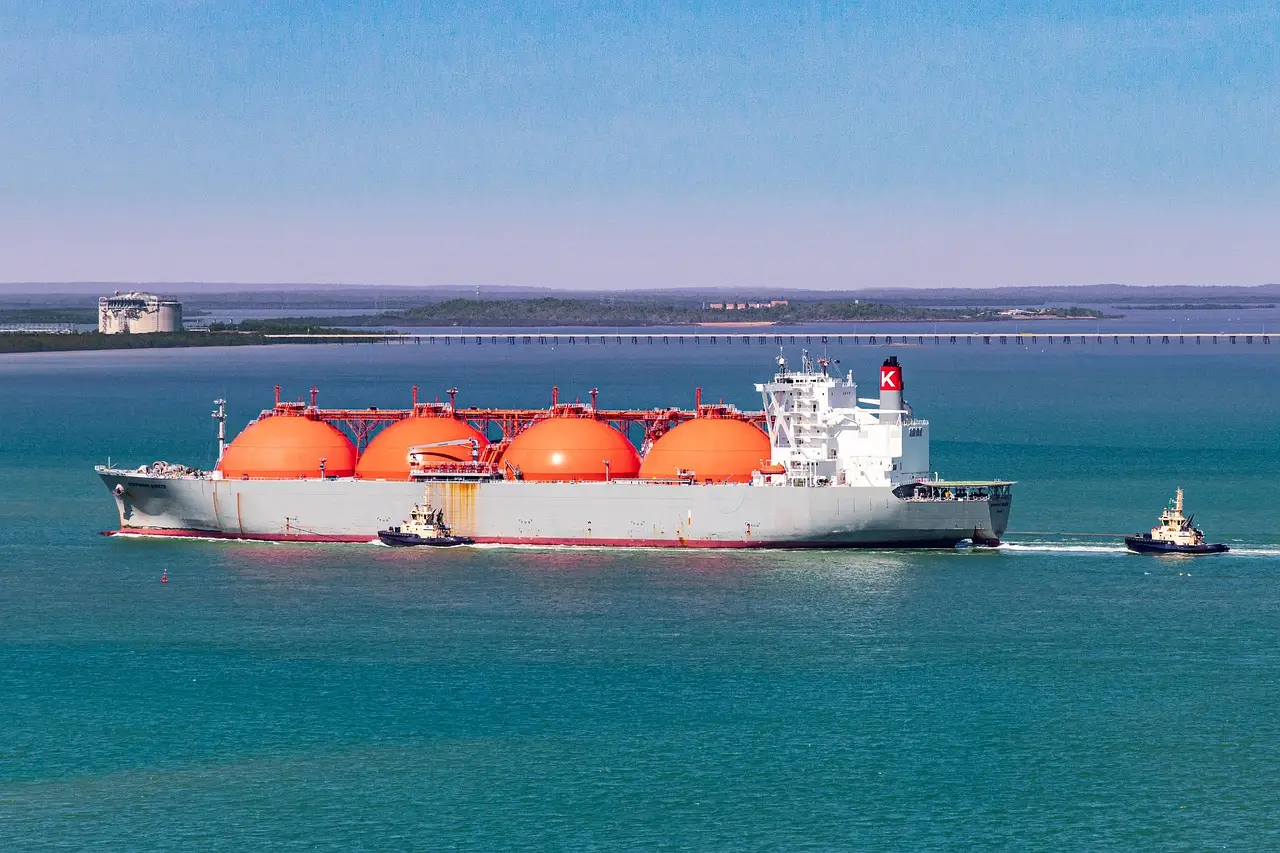
HD Hyundai Vietnam Shipbuilding Co., Ltd. (HVS) is building a 115,000 dwt (deadweight tonnes) LR2 (liquefied-gas carrier) oil tanker with dual-fuel liquefied natural gas (LNG). The vessel also carries rigid sail technology called Wind Wings. Vietnam.vn identifies HVS as one of the country’s green-shipbuilding frontrunners, with the project placing clean-fuel capability at the centre of the push.
What does the LNG tanker add to HVS’s capability?
HVS leaders say the project gives the yard an opportunity to develop expertise in fuel systems, equipment, safety and production organisation for clean-fuel ships. The company began in ship repair before moving into full newbuild construction in 2008 and has since become one of the world’s biggest shipyards.
HVS has delivered 210 vessels to buyers in numerous countries, including cargo ships of up to 87,000 tons and oil tankers of up to 115,000 tons. It is a joint venture between the Shipbuilding Industry Corporation (SBIC) and Korea’s Hyundai Group, operating for nearly three decades as a workable, lasting partnership delivering gains for both sides.
Why is emissions changing the shipbuilding chain?
Jin Sang Ho, HVS general director, said: “Lowering emissions is turning into a durable trend for the maritime sector.” He expects the change to touch design, engineering, materials, equipment, production technology and energy efficiency across the whole shipbuilding chain.
Ho identifies three requirements for that transition: stronger technical capacity, workforce training and access to ships with tougher environmental standards. HVS believes its experienced Vietnamese engineers, technicians, managers and workers can follow established procedures, resolve problems and take ownership of their tasks.
The International Maritime Organization (IMO) is targeting a substantial cut in greenhouse gas emissions by 2030, with net-zero emissions as the goal around 2050. That timetable is projected to reshape global shipbuilding through LNG, methanol, ammonia, hydrogen, hybrid-electric vessels, fuel-cell technology, energy-saving systems and carbon-capture technology.
For countries with advanced shipbuilding sectors, the green transition is a fresh technological contest and an industry standardisation process. Vietnamese civil players can engage more deeply in precision mechanics, steel structures, electrical equipment, automation, pipelines, valves, pumps, auxiliary equipment and technical services.
Processing work alone will not secure supply-chain entry; companies must sharpen technical capacity, quality, scheduling and technology. Vietnam must also build greater command of technology, engineering, human resources and high-value products, while encouraging a marine industrial ecosystem.
What policy supports Vietnam’s green shipbuilding strategy?
Resolution No. 36-NQ/TW, issued by the Central Committee of the Communist Party of Vietnam, sets the Strategy for Sustainable Development of Vietnam’s Marine Economy to 2030, with a vision to 2045. It rests on green growth, biodiversity conservation and marine ecosystems, balancing economic and natural systems, conservation and development, and the interests of coastal and non-coastal localities.
It also calls for stronger industrial linkages and restructuring toward better productivity, quality, efficiency and competitiveness. Conclusion No. 18-KL/TW of 2026, from the 2nd Central Committee Meeting’s 14th term, goes further by naming shipbuilding a national foundation industry.
Dr Pham Hoai Chung is Party Secretary and Chairman of the Board of Members of SBIC, and vice-president of the Vietnam Shipbuilding Industry Science and Technology Association (VISIA). He said: “Global shipbuilding is now in its biggest growth cycle in years.”
Chung said Vietnam’s shipbuilding industry was formerly seen mainly as traditional heavy industry linked to mechanics, metallurgy and maritime transport. He attributes the current cycle to three forces: green transformation and carbon-emissions reduction, global supply-chain restructuring, and fleet modernisation and digitalisation.
Chung’s strategy calls for distinctive market segments whose traits match Vietnam’s technology level, production capacity and geoeconomic strengths. His targets include medium-sized vessels, specialised vessels, offshore-wind service vessels, workboats, coastal transport vessels and green vessels.
Vietnam should also grow ship repair, modification and upgrading in line with new IMO emission-reduction standards. Chung sees fast-rising Asia-Pacific demand in these segments, specifications better matched to Vietnam’s capabilities, and scope for high added value and a domestic marine ecosystem.
Which owners sit inside the domestic market?
The company dataset identifies five national-scale operators:
- PetroVietnam Transportation Corporation (PVTrans), Ho Chi Minh City — owns and operates crude-oil and refined-product tankers; it is Vietnam’s principal oil and gas shipping group.
- Petrolimex Tanker Corporation, Ho Chi Minh City — operates petroleum-product and liquid-cargo tankers as part of the Petrolimex group.
- Vietnam Maritime Corporation (VIMC), Hanoi — a state-owned maritime group with shipping and port subsidiaries whose shipping businesses include liquid-cargo vessels.
- Vietnam Ocean Shipping Joint Stock Company (VOSCO), Hai Phong — operates a commercial fleet that includes oil and product tankers.
- Hai An Transport and Stevedoring Joint Stock Company, Hai Phong — operates a commercial fleet providing shipping and maritime logistics services in Vietnam.
The source assessment calls supporting-industry policy decisive: shipbuilding cannot attain sustainable development, raise added value or compete internationally without a domestic supply ecosystem for materials, equipment and technical services. Technology investment and innovation carry equal weight in that competitiveness equation.
via Google News: Shipbuilding (Source)
More from Sophie Lindqvist
Show full bio
Market editor covering technology and product news in commercial shipping for industry professionals at Vessels.
141 articles