Hanwha Ocean Books Two VLCCs Worth $262 Million
Hanwha Ocean's $262 million two-VLCC order from an Oceania owner lifts its 2024 intake to 47 vessels worth $8.54 billion, led by eco-friendly, high-value ship types.
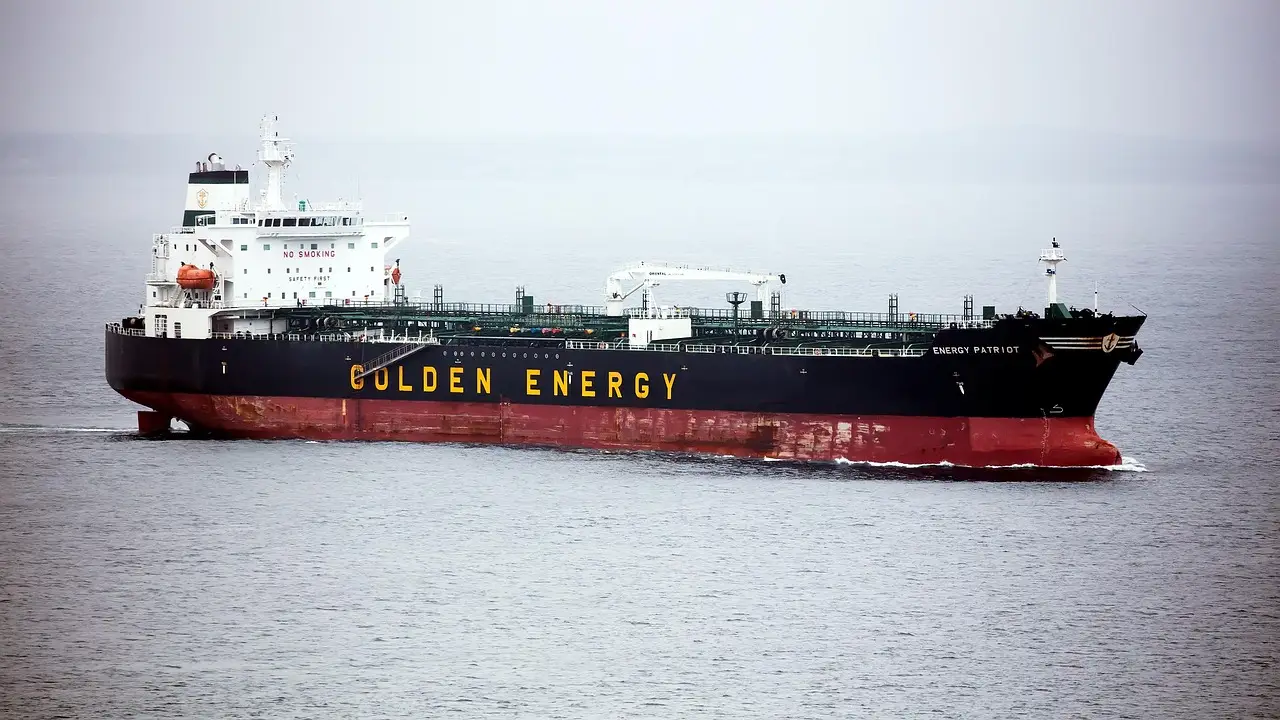
Adjustments
- Hanwha Ocean signed a 364.2 billion won ($262.06 million) contract for two VLCCs, disclosed Nov. 19.
- The deal brings 2024 orders to 47 vessels worth about $8.54 billion, exceeding market expectations.
- The order mix includes 24 VLCCs, eight LNG carriers, six container ships, three VLACs and three VLGCs.
- Deliveries of the new VLCCs run sequentially through the second half of 2029 from the Geoje yard.
Hanwha Ocean has signed a 364.2 billion won ($262.06 million) contract for two VLCCs (Very Large Crude Carriers), pushing its orderbook for the year to 47 vessels worth about $8.54 billion.
The South Korean builder disclosed the deal in a regulatory filing on Nov. 19. The counterparty is a shipowner based in Oceania. Construction will take place at the Geoje business site, Hanwha Ocean's key production base. Deliveries are planned sequentially through the second half of 2029 under the agreement with the owner.
The cumulative order value of roughly $8.54 billion exceeds market expectations, according to the company's disclosure track so far this year.
What does the 47-vessel tally contain?
The order mix shows clear diversification across high-value segments:
- 24 VLCCs
- Eight LNG (liquefied natural gas) carriers
- Six container ships
- Three VLACs (Very Large Ammonia Carriers)
- Three VLGCs (Very Large Gas Carriers)
The portfolio also includes special-purpose ships and WTIVs (Wind Turbine Installation Vessels), all vessel classes that demand advanced shipbuilding technology. Orders are led by eco-friendly types aligned with the carbon-neutral trend.
Why the focus on value over volume?
Industry experts say Hanwha Ocean is deliberately selecting high-profit vessel types rather than chasing order volume. That distinction matters now. Rising raw material prices and labour costs remain a burden on yard economics, and contracts centred on high-value-added ships are expected to support future operating profit improvement.
The strategy also targets market leadership. The VLCC segment carries high technological entry barriers and requires large-scale facilities — hurdles that favour incumbents. Hanwha Ocean is solidifying its dominance in the class on the back of accumulated construction experience at Geoje.
Is the yard hedging against shipbuilding cycles?
Beyond merchant tonnage, the company is expanding into onshore plant work and special-purpose ships. Analysts read this as a portfolio diversification strategy built to absorb the cyclical volatility that has long defined the shipbuilding industry.
For owners and charterers, the message is straightforward. Hanwha Ocean's slots through 2029 are increasingly filled with energy-transition tonnage — ammonia, LNG and wind installation assets — alongside its core crude carrier franchise, and the yard shows no sign of discounting to fill capacity.
via Hellenic Shipping News (Source)
More from Tom Whitfield
Show full bio
Staff writer covering companies, deals and strategy in commercial shipping for industry professionals at Vessels.
93 articles
Linked entries
- Hanwha Ocean Lands Two-VLCC Order Worth $262 Million
- Hanwha Ocean Lands $136m-per-VLCC Order, Highest Price Since 2008
- Advantage Tankers pays $272m for two Hanwha Ocean VLCCs
- COSCO Books 16 VLCCs for $2.01bn as Yards in Three Countries Bag Tanker Orders
- Hanwha Philly cuts steel on first of four 49,500-dwt Jones Act tankers