Constanta grain exports reach 18.5Mt, up 17.1% in 2026
Constanta moved 18.5 million tonnes of grain through October, up 17.1%, while Ukrainian volumes climbed to 1.65 million tonnes despite wider Black Sea attacks.
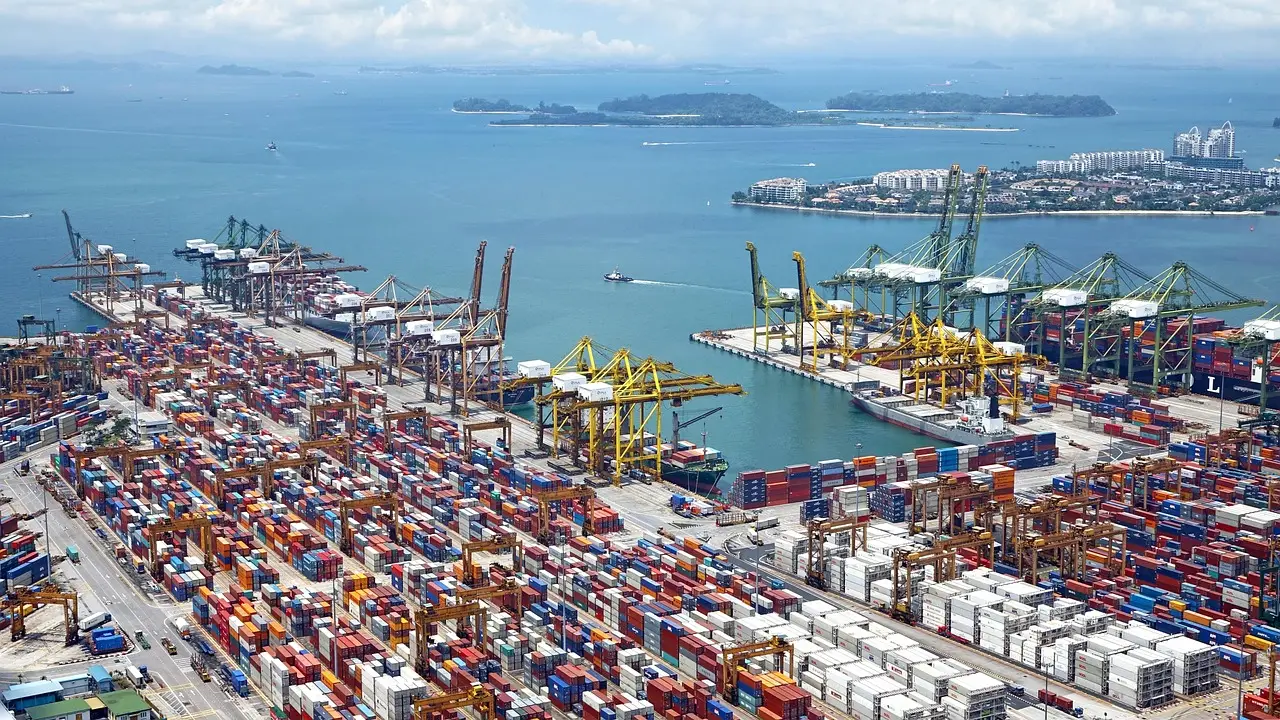
Adjustments
- Constanta exported 18.5 million tonnes of grain in the first ten months of 2026, up 17.1% year on year.
- Total port goods reached 59.0 million tonnes by end-October 2026, up 3.5%.
- Ukrainian grain through Constanta rose to 1.65 million tonnes from 321,000 tonnes in the first ten months of 2025.
- About 15 merchant vessels were hit over six weeks off Romania and Bulgaria.
- Euronext plans Black Sea wheat and corn futures for 2027 with physical delivery at Constanta.
James Calloway
Constanta handled 18.5 million tonnes of grain in the first ten months of 2026, up 17.1% from a year earlier, as stronger trade flows outpaced the port's wider cargo growth.
The port authority reported total goods volume of 59.0 million tonnes by end-October, 3.5% above the previous year. The Romanian Black Sea port ranks among the EU's largest grain-export gateways.
Ukraine supplied 1.65 million tonnes of grain through Constanta in the first ten months of 2026, compared with 321,000 tonnes in the same period of 2025. That was more than fivefold growth.
Kyiv sought alternative routes after Russian attacks on its own seaports. Constanta has captured part of that displaced trade.
What is driving the 17.1% increase?
Romania's good harvest, strong demand, diverted Ukrainian cargo and relatively good sea transport costs all supported the grain increase, according to Cezar Gheorghe of Romanian grain-market consultancy AGRIColumn.
Gheorghe said: "From an operational perspective Constanta does not have a problem; the grain terminals are moving well."
That assessment describes terminal flow, not the full operating risk. The surrounding sea corridor remains exposed, while rail and fuel costs have moved in the opposite direction.
Logistics costs have risen as the conflict in the Middle East pushed fuel prices higher. Romanian infrastructure works and a shortage of locomotives have also created rail bottlenecks. Good terminal throughput and higher logistics costs are both true.
What has changed in the Black Sea?
Russia's nearly five-year war with Ukraine has spilled over into the Black Sea. About 15 merchant vessels have been hit over the past six weeks off the coasts of Romania and Bulgaria.
Romania has said it is a target of Russia's hybrid war. Moscow has repeatedly denied that claim.
Both countries are EU and NATO members. Intelligence experts said the maritime escalation creates a major challenge for NATO.
The strikes focused mainly on ships headed to and from Romania's Sulina Canal, which links the Danube River with the Black Sea and forms Ukraine's primary export route, with Ukraine counting among the world's largest grain exporters.
Constanta has not been targeted despite the recent attacks. That record offers some reassurance, but it does not establish how long the port can remain outside the conflict.
The same corridor can handle cargo without making the surrounding sea lane safe. Owners and charterers face both questions at once.
What does the port count exclude?
Constanta's 18.5-million-tonne figure covers port throughput only, excluding smaller Romanian ports and direct exports moved abroad by rail or road, without representing Romania's complete grain-export performance.
Two exclusions matter:
- Volumes handled through smaller Romanian ports.
- Direct grain exports moved by rail or road.
Romania is one of the EU's biggest grain exporters. Constanta also handles flows from landlocked neighbours including Serbia, Hungary and Moldova.
The 18.5 million tonnes therefore measure Constanta's grain activity, not the country's full export total. Adding the omitted movements would change the national picture, although the port authority supplied no combined figure.
What changes in 2027?
Euronext said earlier this month it will launch Black Sea wheat and corn futures in 2027, with physical delivery at Constanta, linking a planned market to the port's physical grain gateway.
That schedule remains a future commitment. The announcement as reported provides no volume forecast, contract terms or assurance of trading depth.
Gheorghe worked with Euronext to set up the futures service. His operational assessment and the security warnings around Sulina can coexist without resolving each other.
A physical-delivery market would point contracts back to Constanta. It would not remove vessel risk, rail bottlenecks or fuel-cost exposure.
Can the grain growth continue?
No forward tonnage forecast accompanies the port data. The reported gain was helped by a good Romanian harvest, strong demand and Ukrainian rerouting, while sea transport costs remained comparatively favourable.
Any of those supports could change. The figures show what passed through Constanta, not how much will follow.
Constanta has operating evidence, not a security guarantee. Its terminals are moving grain while recent attacks have hit about 15 merchant vessels nearby. That tension is the practical trade-off for owners, charterers and port callers.
via MarineLink (Source)
More from James Calloway
Show full bio
Correspondent covering technology and product news in commercial shipping for industry professionals at Vessels.
66 articles