Big Three Korean Yards Spend 437.6bn Won on R&D in Nine Months
Korea's HD KSOE, Hanwha Ocean and Samsung Heavy spent 437.6bn won on R&D through September, up 77.8% year on year, as Chinese rivals close in with low-price tactics.
Adjustments
- Big three Korean yards spent 437.6 billion won on R&D January–September, up 77.8% from 246.2 billion won a year earlier
- HD KSOE spent 243.6bn won (+77.9%); Hanwha Ocean 110.8bn (+168.3%); Samsung Heavy 83.2bn (+22.4%)
- Nine-month R&D already exceeds the 401.2bn won full-year 2023 total; annual figure may top 500bn won
- Samsung Heavy's PIPE ROBOFAB automated pipe spool facility started operation last March
- HD Hyundai Heavy Industries signed a labour-management industrial transition agreement on the 28th of last month
Korea's big three shipbuilders spent 437.6 billion won on R&D from January through September, up 77.8% from 246.2 billion won a year earlier, their third-quarter reports showed on the 20th. That nine-month figure already beats their combined full-year 2023 total of 401.2 billion won. If the pace holds, annual spending will top 500 billion won.
The order boom is paying for it. Earnings are up, and the yards are pushing the surplus straight back into technology rather than letting it sit.
Who is spending what?
HD KSOE leads at 243.6 billion won, up 77.9% year on year. Hanwha Ocean grew fastest, spending 110.8 billion won — a 168.3% jump, roughly 2.7 times last year's level. Samsung Heavy Industries trails with 83.2 billion won, a more modest 22.4% increase.
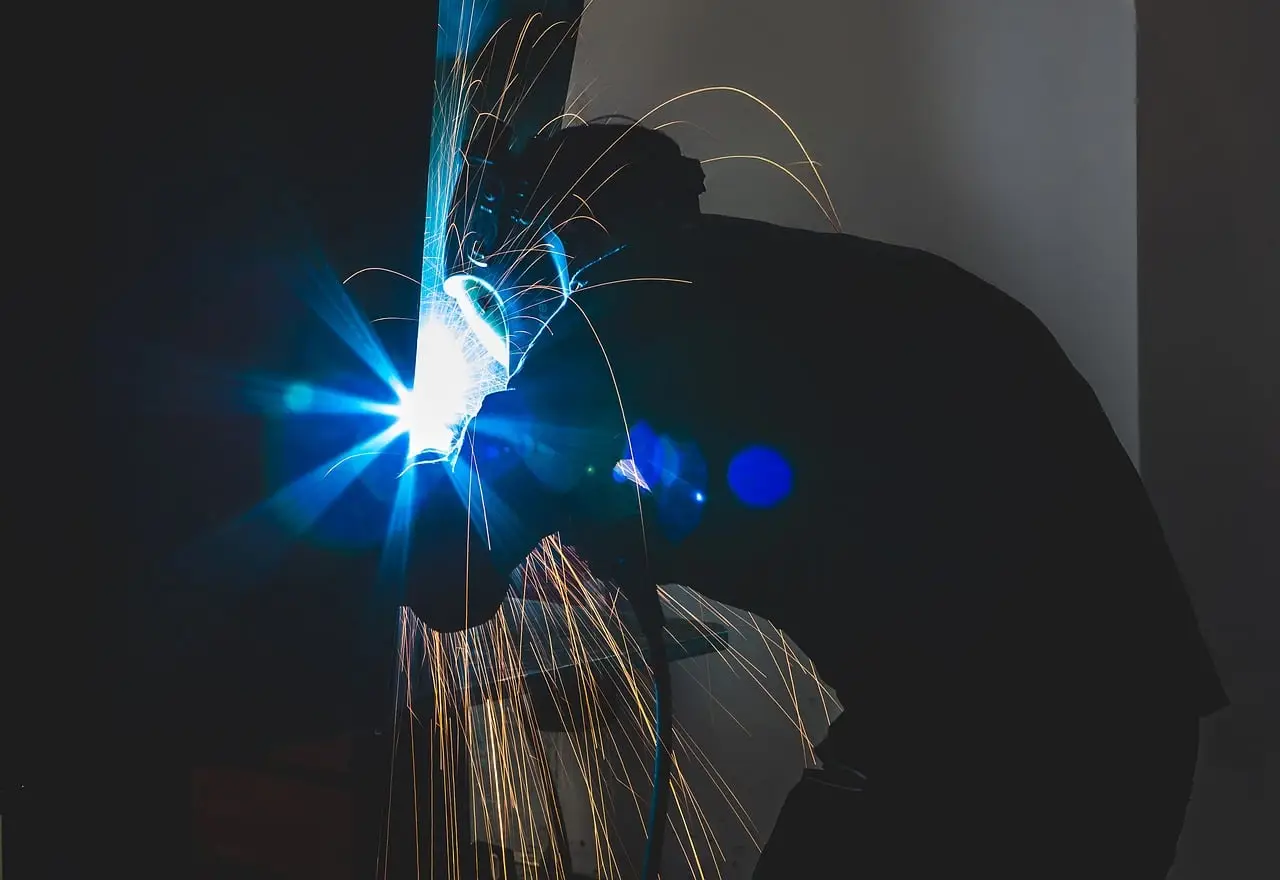
Hanwha Ocean's money goes into eco-friendly ship technology, naval vessel development, welding automation and safety systems for the shift to smart yards. Samsung Heavy put PIPE ROBOFAB, an automated pipe spool fabrication facility, into operation last March, letting robots handle welding and assembly of labour-intensive piping components.
Why the sudden splurge?
Two pressures: China and labour. Chinese rivals are closing the technology gap with aggressive low-price tactics, while Korean yards struggle to recruit skilled workers for hard, dangerous work like welding and painting. Robots and AI are the answer to both, on paper at least.
"We have no choice but to continue R&D to respond to Chinese companies rapidly catching up with aggressive low-price tactics and to a fast-changing market environment," an industry official said.
What about the workers?
Automation on a Korean yard means jobs, so labour and management are negotiating the transition rather than ignoring it. At HD Hyundai Heavy Industries, both sides set up a joint consultative body in February and reached a special agreement on industrial transition during wage and collective bargaining talks last month. Union members ratified it in a vote on the 27th, and the parties signed on the 28th.
The stated goal is giving machines the tasks people find hardest — improving safety and productivity while easing the burden on a shrinking workforce. Talks are continuing elsewhere on how technological development can coexist with secure jobs.
"It is something to view positively that discussions are continuing on how technological development can coexist with safe jobs," the same official said.
The bet is straightforward: reinvest boom earnings now, automate the shop floor, and keep a technological edge that Chinese pricing cannot immediately erase. The 500-billion-won question is whether the edge lasts longer than the cycle.
via Google News: Shipbuilding (Source)
More from Amara Osei
Show full bio
Senior reporter covering technology and product news in commercial shipping for industry professionals at Vessels.
125 articles
Linked entries
- Big Three Korean Yards Spend 437.7 Billion Won on R&D in Nine Months
- Hanwha Ocean Lands Two-VLCC Order Worth $262 Million
- India lines up five shipbuilding megayards, $4bn HD Hyundai deal eyed
- Hanwha Ocean Books Two VLCCs Worth $262 Million
- IMO Tallies Just $10.5bn of Maritime Climate Finance in Six Years