Vizhinjam links 1,500-tonne MRF rubber cargo to Kottayam ICD
MRF’s 60-container, 1,500-tonne African rubber shipment links Vizhinjam with Kottayam ICD, bypassing a Mumbai transshipment route that can take up to a month.
Adjustments
- VISL says 60 containers carrying about 1,500 tonnes of African natural rubber were discharged at Vizhinjam for MRF.
- The first major import consignment was announced on 21 November 2026, with road arrival at Kottayam expected on 23 November.
- Three Bills of Lading cover the shipment, 20 containers each.
- MRF chose Vizhinjam to avoid transshipment via Mumbai, a route VISL says can take up to one month.
- Kottayam ICD handled 60,575 tonnes in 2024–25 and lists a 40,000-square-foot warehouse.
By Sophie Lindqvist
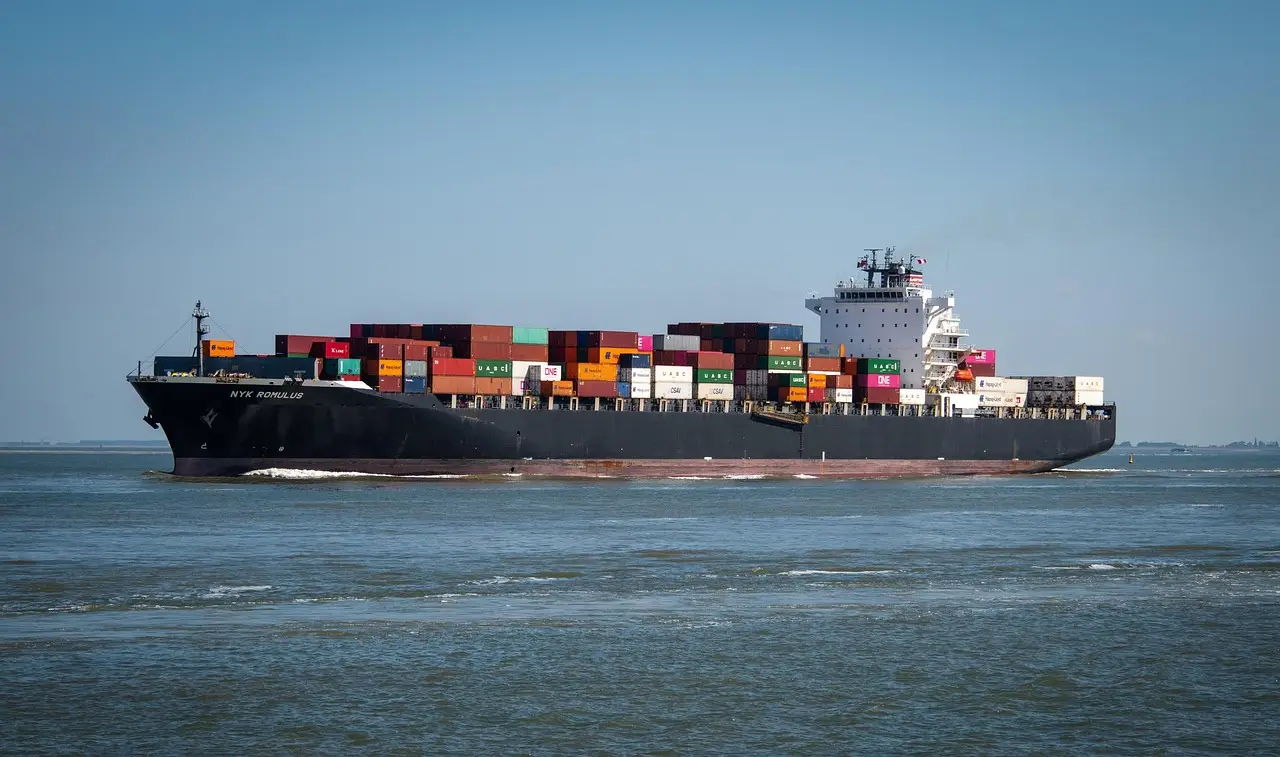
Vizhinjam International Seaport Limited (VISL) says it has discharged 60 containers carrying about 1,500 tonnes of natural rubber imported from Africa for tyre manufacturer MRF, ahead of road delivery to Kottayam Inland Container Depot (ICD).
VISL announced the movement on 21 November 2026 and described it as “the first major import consignment linking the port with Kottayam ICD.” The shipment comprises three Bills of Lading, each accounting for 20 containers, and VISL expects the containers to reach Kottayam by road on 23 November.
Why did MRF choose Vizhinjam?
MRF designated Vizhinjam as its “Port of Destination” to avoid the existing transshipment arrangement through Mumbai, which VISL said can take up to a month. Under the new sequence, the containers discharge at Vizhinjam before moving inland to Kottayam for customs clearance and onward delivery. VISL expects this routing to shorten transit time and reduce logistics costs.
The announcement did not quantify expected savings or specify a revised end-to-end delivery time; VISL did not present the one-month Mumbai figure as the new route’s transit time. The arrangement nevertheless places clearance closer to MRF’s regional distribution operations and avoids the existing Mumbai transhipment channel. This consignment will move by road from Vizhinjam to Kottayam.
Operationally, MRF shifts from an onward maritime routing decision to port discharge followed by inland clearance and a road leg. The arrangement therefore links three points: Vizhinjam, Kottayam and MRF’s Kochi warehouse.
How will clearance and delivery work?
Under the arrangement, containers grouped under each Bill of Lading will undergo customs verification, examination and other mandatory procedures at Kottayam ICD. Once Customs grants Out of Charge (OOC) clearance, the containers will continue on the same trucks to MRF’s centralized warehouse in Kochi. The sequence combines port discharge, inland clearance and warehouse delivery within one transport arrangement.
Continuity of the truck movement links the port discharge, customs station and consignee delivery without breaking the sequence at Kottayam.
Can empty containers feed exports?
Under the proposal, MRF will unload the rubber at its Kochi warehouse before the containers return to Kottayam ICD’s yard for potential export cargo. Exporters currently often arrange for empty containers to move from Kochi to Kottayam before loading their goods.
The proposal turns import cargo into a potential source of export equipment at the depot. Exporters could draw on units already generated by incoming cargo alongside the separate movements they currently arrange from Kochi. VISL said locally available equipment could reduce this repositioning requirement and support faster container reuse. The announcement presents this as an intended benefit, with actual savings dependent on matching available containers with exporters’ requirements.
What does Kottayam ICD offer?
Kottayam Port and Container Terminal Services began full operations as a customs station in 2012. Kerala’s Economic Review 2025 identifies it as the state’s only ICD and records cargo handling of 60,575 tonnes during 2024–25. The terminal serves importers and exporters in the central Travancore region.
The facility sits on the Kodoor River on National Waterway 9, connects with Vembanad Lake and provides inland-waterway access toward Cochin through National Waterways 3 and 9. This gives the depot an operating mode beyond road handling.
VISL lists a 40,000-square-foot warehouse, container yards, reach stackers and container-stuffing equipment among its facilities. The terminal also provides electronic data interchange (EDI) connectivity for cargo-related processes.
How does this fit Vizhinjam’s transshipment role?
According to VISL, Vizhinjam began commercial operations in 2024 and direct export-import operations in August 2026. The MRF movement adds an inland cargo connection to the port’s international transshipment role, linking import discharge with customs clearance, warehouse delivery and the potential return of equipment into the export supply chain.
VISL said the initiative forms part of Mission Samudra’s objectives to strengthen Kerala’s maritime trade and cargo transportation. Its practical focus is a linked chain covering import shipment, inland clearance, delivery to MRF and possible repositioning of empty containers for exporters. Together, the links create a loop: MRF imports through Vizhinjam, clears at Kottayam, takes delivery in Kochi and may return the boxes to Kottayam for export cargo.
via Google News: Ports & Terminals (Source)
More from Sophie Lindqvist
Show full bio
Market editor covering technology and product news in commercial shipping for industry professionals at Vessels.
140 articles
Linked entries
- 1,500 Tonnes of African Rubber Headed from Vizhinjam to Kottayam ICD for MRF
- Kottayam ICD to Receive First Major Import via Vizhinjam
- Clean-product tanker rates slide as Hormuz transits fall to 14 ships
- India to add 100 vessels to merchant fleet in five years
- 100% container scan deadlock strands imports at Cochin Port