Santos Port cyberattack leaves cargo handling unchanged
APS said a cyberattack erased data and disrupted administrative systems at the Port of Santos, but vessel calls, truck and rail movements continued normally as systems returned gradually.
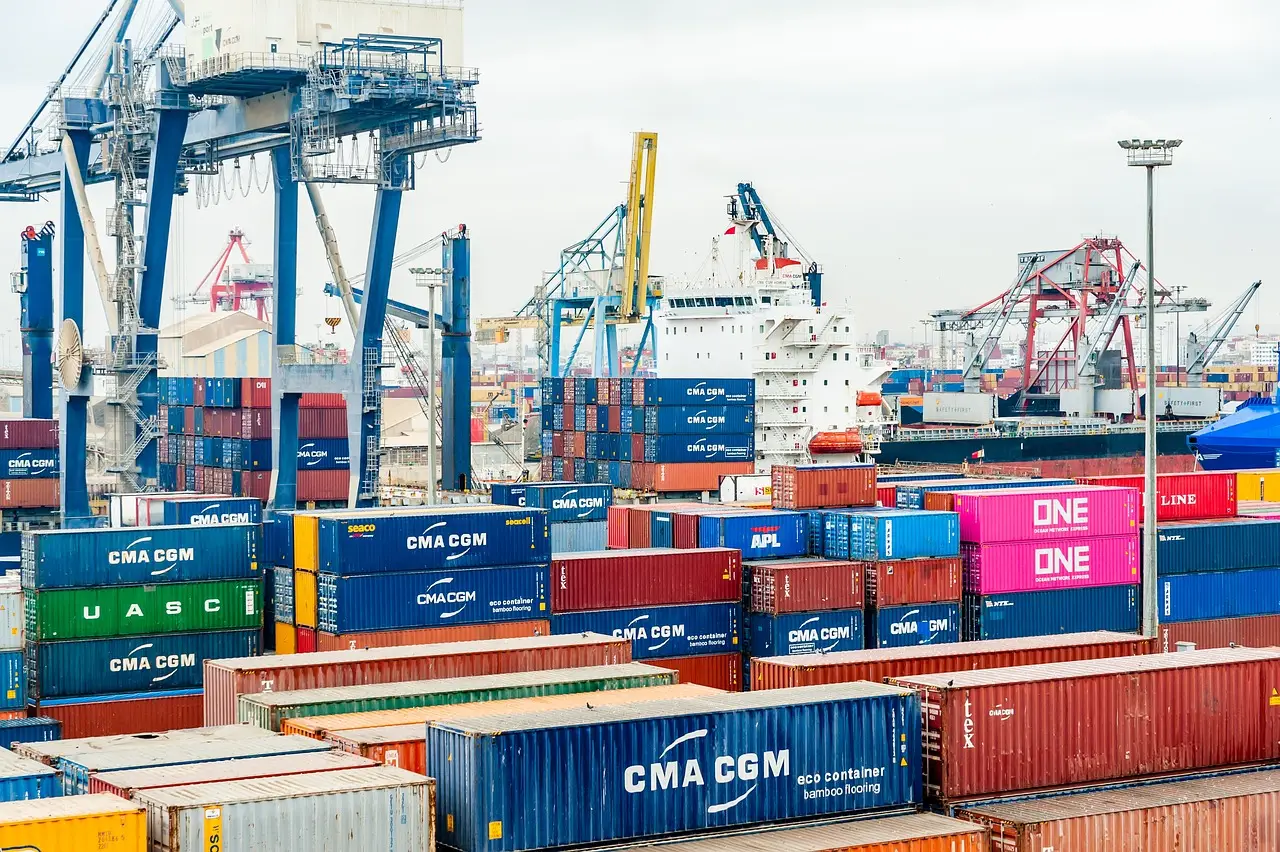
Adjustments
- Nov. 6, 2026: A power outage shut down APS data centers; restarting servers later revealed a cyber intrusion.
- Nov. 17: Approximately 60 terminal and industry representatives met APS at the Santos Technology Park.
- Nov. 18: APS said cargo capacity was unaffected and vessel, truck and rail movements continued normally.
- APS opened one dedicated email address for customer fault reports and aims to establish a cyberattack support desk.
- Since Nov. 6: APS and partner organizations have worked to restore systems; some services still use alternative channels.
By Rebecca Stone
The Santos Port Authority (APS), the Brazilian federal government-owned company responsible for public infrastructure at the Port of Santos, said on November 18, 2026, that a cyberattack had erased data and disrupted administrative systems while leaving cargo handling unchanged.
APS traced the incident to a power outage on November 6, 2026. The electrical failure shut down the authority’s data centers and triggered the disruption. During recovery work, APS restarted its servers and found evidence of a cyber intrusion.
The operational contrast was clear: APS said: “The Port of Santos’s cargo handling capacity was never affected.” Vessel arrivals and departures continued as normal, while truck and rail movements to and from the port also continued as normal. The failure therefore remained within administrative technology rather than physical cargo operations.
What happened at the November 17 meeting?
APS met approximately 60 representatives from port terminals and industry organizations on Tuesday, November 17, at the Santos Technology Park. The authority used the session to inform port customers about the incident and walked participants through a timeline beginning with the November 6 electrical failure.
The meeting also created a route for customers to report continuing faults. APS established a dedicated email address for feedback on difficulties accessing services and system instability. The authority set up that channel with the aim of establishing a support desk for issues arising from the cyberattack.
APS separately asked terminal operators to suggest improvements to system integration, meaning the connections among port systems. Those proposals are intended to strengthen cybersecurity across the Port of Santos. The request made the session both an incident briefing and a consultation on future resilience.
How did system recovery proceed?
APS has worked with partner organizations to restore its systems since the incident. Following the November 6 outage, the authority restarted its servers and discovered the intrusion that had erased data and disrupted administrative services.
The authority said it responded quickly by taking technical, administrative and legal measures to limit potential impacts and restore normal operations. Its update did not identify a separate effect on cargo handling: vessel calls remained normal, and truck and rail movements continued without reported interruption.
Recovery remains partial. APS said: “Systems are being restored gradually,” adding that some administrative services are still being provided through alternative channels.
The reported status separates the port’s functions into four areas:
- Cargo handling: APS said capacity was never affected.
- Vessel movements: arrivals and departures continued as normal.
- Truck and rail: movements to and from the port continued as normal.
- Administrative services: the intrusion erased data and disrupted systems; restoration is proceeding gradually, with alternative channels in use.
What remains outside normal service?
The continuing constraint sits in administrative access, not cargo throughput. APS has reported no reduction in cargo-handling capacity, and it describes vessel calls and landside truck and rail flows as normal.
The Nov. 17 meeting therefore addressed two linked tasks: giving port customers the incident timeline and a direct fault-reporting channel, then collecting terminal feedback on system integration and cybersecurity. Further restoration depends on APS’s continuing work with partner organizations and the proposed operational changes.
The authority’s stated response comprises the gradual return of administrative systems, establishment of the support desk and consideration of terminal operators’ integration recommendations. It did not provide a restoration completion date, a count of affected customers or a financial estimate.
via Google News: Ports & Terminals (Source)
More from Rebecca Stone
Show full bio
News editor covering people, launches and day-to-day practice in commercial shipping for industry professionals at Vessels.
59 articles
Linked entries
- Chattogram box terminals idle five hours as Saif Powertec workers strike
- Chattogram container handling halts for five hours in pay dispute
- Five-hour work stoppage freezes box handling at Chattogram
- 837 Filipino Seafarers Repatriated From Black Sea and Hormuz Hotspots
- Warning shot turns weapons-carrying skiff away from cargo ship off Mukalla