Samsung Heavy Signs With Tesser Atomics for Nuclear LNG Carrier
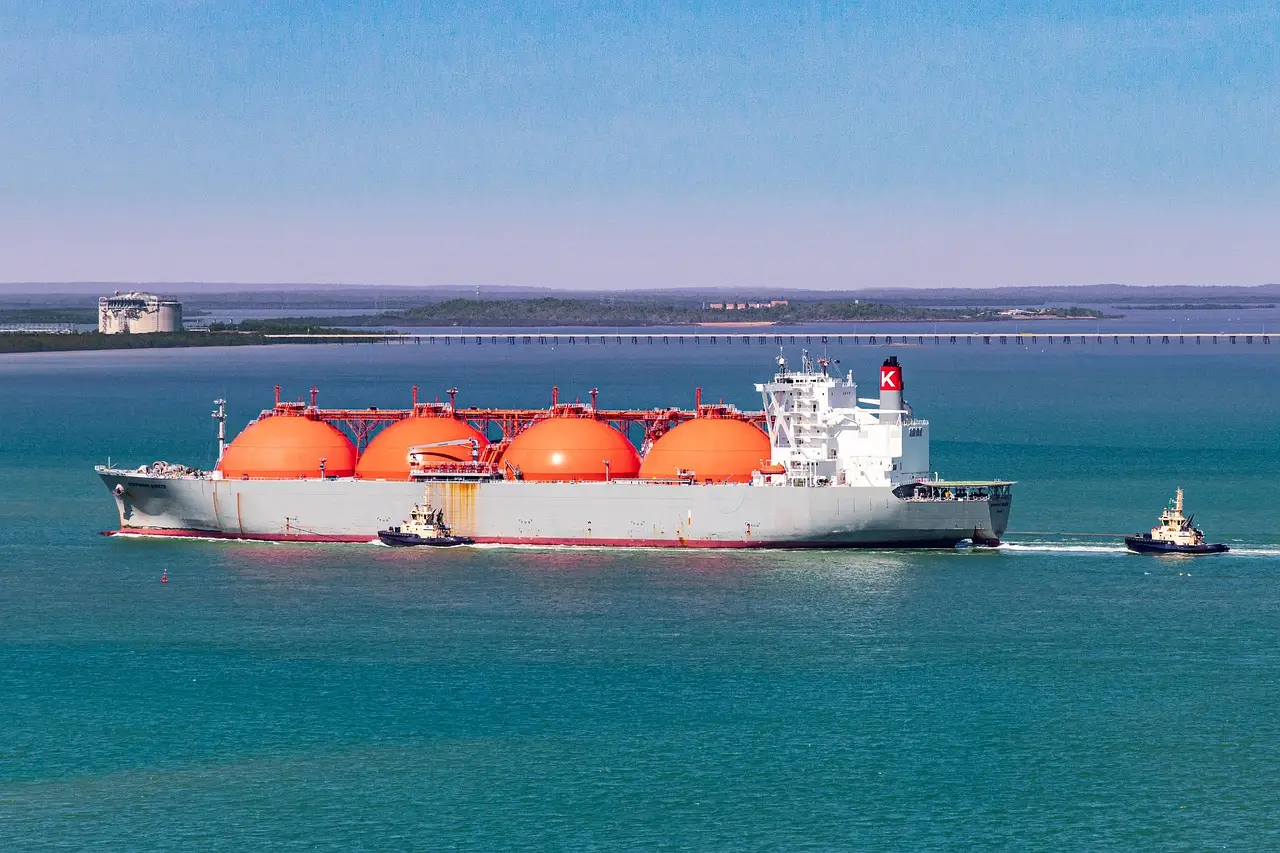
Samsung Heavy Industries and Tesser Atomics signed an exclusive MOU on November 19 to develop the first nuclear-powered LNG carrier for US–Europe trade, using Tesser's Triton molten-salt reactor.
Adjustments
- Samsung Heavy and Tesser Atomics signed an exclusive MOU on November 19 for the first nuclear-powered LNG carrier, targeting US–Europe service.
- Tesser's Triton is a fluoride-salt-cooled high-temperature reactor using TRISO fuel and refuelable during operation.
- In September 2025, Samsung Heavy and KAERI won ABS and Liberian AiP for a 100 MW-thermal molten salt LNG carrier concept.
- An ABS-backed October study put the nuclear LNG carrier's build cost at about 2.5 times a conventional vessel.
- IMO adoption of a revised Nuclear Code and SOLAS Chapter VIII amendments is targeted for 2030.
Samsung Heavy Industries and Tesser Atomics signed an exclusive memorandum of understanding on November 19 to develop what they bill as the world's first nuclear-powered LNG carrier, aimed at commercial service between the United States and Europe.
The deal names Samsung Heavy as the sole shipbuilding partner and the US reactor developer as the sole technology partner for a demonstration project. No shipbuilding order sits behind it. The companies have disclosed no construction schedule, no vessel specifications, no project cost and no financing.
So: a partnership, not a keel. Still, an interesting one.
What reactor goes in the hull?
The centerpiece is Tesser's Triton reactor, a compact fluoride-salt-cooled high-temperature unit designed for marine use. It runs on TRISO nuclear fuel with low-pressure molten salt coolant, and its design permits refueling while the reactor stays in operation. The companies claim the system can propel large oceangoing vessels without conventional marine fuels.
Kyunghee Kim, Executive Vice President and Head of the Future Business Division at Samsung Heavy, put the ambition plainly: "Demonstrating nuclear propulsion on an LNG carrier crossing the Atlantic would open new horizons for decarbonizing the shipping industry."
Where did the project come from?
The effort builds on Norway's NuProShip research program, which screened advanced reactor technologies for merchant vessels. It advances through SFI SAINT, a research consortium led by the Norwegian University of Science and Technology and backed by the Research Council of Norway.
The Norwegian side targets several nuclear-powered vessel demonstrations in the early 2030s, including an LNG carrier project supported by shipowner Knutsen OAS.
Samsung Heavy is not new to this trade. In September 2025, the yard and the Korea Atomic Energy Research Institute secured Approval in Principle from ABS and the Liberian flag state for a separate LNG carrier concept powered by a 100-megawatt-thermal molten salt reactor.
What stands in the way?
Plenty. Nuclear merchant ships must clear reactor licensing, maritime safety rules, port access, crew training, insurance and liability — each a negotiation in itself.
The IMO is modernizing its framework, with adoption of a revised Nuclear Code and amendments to SOLAS Chapter VIII targeted for 2030.
The economics wobble too. An ABS-supported study published in October found a nuclear-powered LNG carrier could cost roughly 2.5 times as much to build as a conventional vessel, though cheaper fuel could improve the long-term picture.
A demonstration on a real US–Europe trade route, before the IMO's own rulebook lands — that's a tight schedule for a first-of-a-kind reactor at sea.
via Google News: Shipbuilding (Source)
More from Amara Osei
Show full bio
Senior reporter covering technology and product news in commercial shipping for industry professionals at Vessels.
125 articles
Linked entries
- Samsung Heavy, Tesser plan world-first nuclear LNG carrier
- Samsung Heavy and Tesser Atomics to Build First Nuclear LNG Carrier
- Samsung Heavy, Tesser target early-2030s nuclear LNG carrier
- Lloyd's Register approves first all-vessel nuclear classification rules
- Samsung Heavy Eyes India as Korean Yards Book Out to 2028