Samsung Heavy Eyes India Build Capacity as Korean Yards Sell Out to 2028
Samsung Heavy Industries is weighing equity investment in India as Korean yards stay booked for three years, targeting SDHI's Pipavav yard and a Kerala block facility.
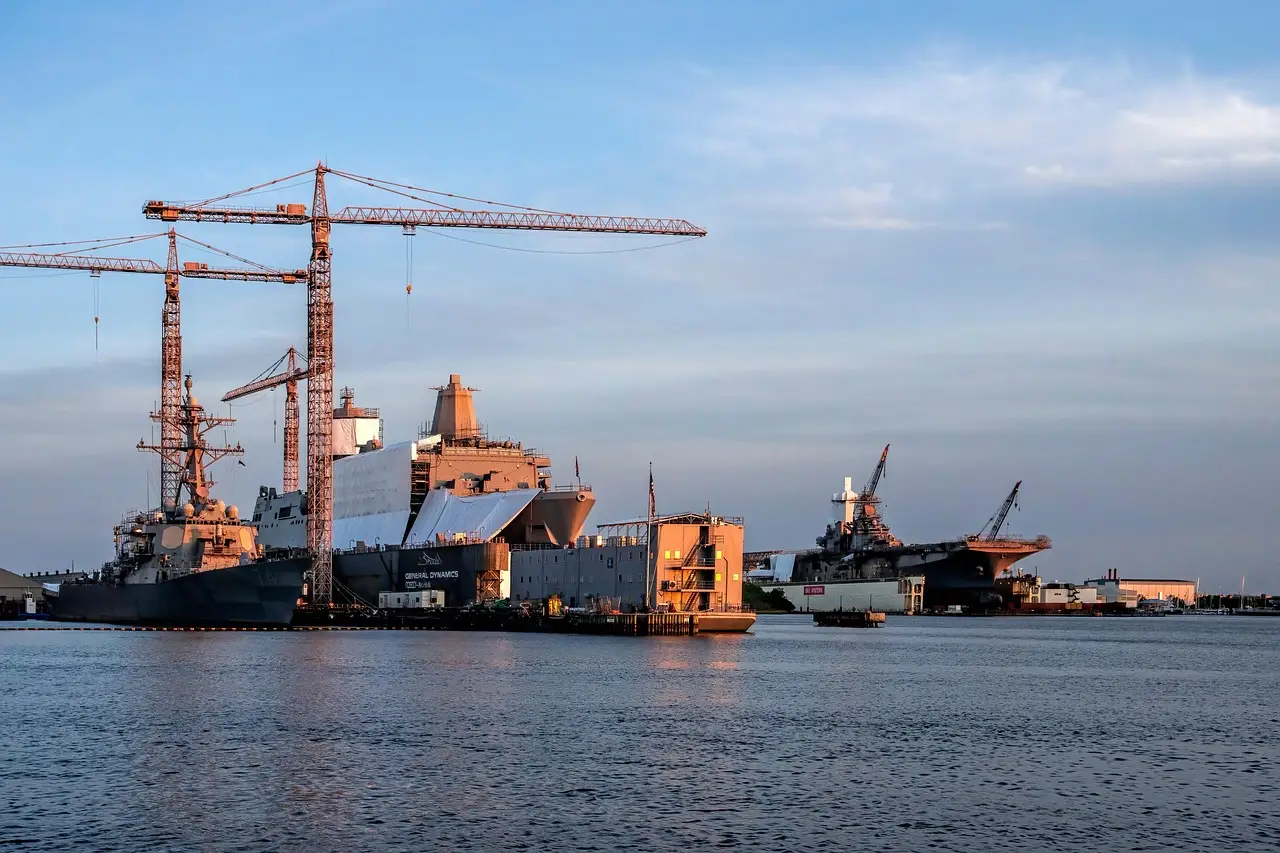
Adjustments
- SHI's Korean yards are fully booked for the next three years, blocking new orders
- SHI may convert an MoU with SDHI into an investment agreement for large-vessel construction at Pipavav
- SDHI is building six chemical tankers for Rederiet Stenersen and four Kamsarmax bulk carriers for NEO Fund
- SDHI is lowest bidder for four dual-fuel-ready MR product tankers for an SCI-led JV
- SHI is also exploring a partnership with Cochin Shipyard for a block fabrication facility in Kerala
Samsung Heavy Industries (SHI) has a three-year orderbook wall at home, and it is looking at India to climb over it. The South Korean builder is exploring investments in Indian shipbuilding capacity because its domestic yards are fully booked and cannot take fresh orders while protecting delivery schedules for global customers, Mint reported, citing a senior company official speaking on condition of anonymity.
The move is a capacity story, not a cost story. SHI wants an additional manufacturing footprint to absorb overflow orders from its Korean facilities and to serve demand from both international and Indian customers.
"We will be interested in investing in a shipbuilding facility in India as it will help us get an additional manufacturing footprint to meet growing demand for ships both from international as well as Indian customers," the SHI official told Mint.
Where would the money go?
The most developed option sits at Pipavav in Gujarat. SHI may deepen its existing relationship with Swan Defence and Heavy Industries Ltd (SDHI), which operates the Pipavav shipyard, according to the report.
The two companies already hold a strategic memorandum of understanding covering commercial shipbuilding and heavy engineering projects. That MoU could now be converted into an investment agreement to jointly manufacture large vessels, the official said.
The funded scope would cover facilities to build:
- tankers
- gas carriers
- container ships
- other specialised vessels
All for international customers, Mint reported.
How does the current partnership work?
Today the arrangement is licence-led rather than equity-based. SHI supplies designs, engineering and material packages; SDHI undertakes construction at Pipavav. An equity investment could follow the successful execution of initial projects, the official said — a structure that keeps SHI's capital commitment contingent on proven delivery.
SDHI's own orderbook gives the partnership a running start. The yard is executing:
- six chemical tankers for Norway's Rederiet Stenersen
- four Kamsarmax bulk carriers (82,000-dwt class Panamax bulker type) for NEO Fund
SDHI has also emerged as the lowest bidder for a contract from a joint venture led by Shipping Corp. of India Ltd to build four dual-fuel-ready medium-range product tankers, Mint reported.
Is Pipavav the only option?
No. SHI is casting wider, according to the report. Beyond Gujarat, the Korean builder is exploring greenfield shipbuilding opportunities in India's proposed maritime clusters — industrial zones designated for shipbuilding and allied industries.
It is also weighing a partnership with state-run Cochin Shipyard Ltd for a proposed ship block fabrication facility in Kerala. Block fabrication — the construction of prefabricated hull sections before final assembly — would slot into SHI's existing model of supplying engineering and material packages rather than full construction.
What does this signal for tonnage buyers?
For owners and charterers, the signal is delivery-slot scarcity at the top of the market. When a tier-one Korean builder starts shopping for capacity abroad to keep delivery promises, the message to anyone ordering tankers, gas carriers or boxships is that Korean slots are effectively unavailable for the next three years.
India, with lower-cost yards and a government pushing maritime cluster development, becomes the natural overflow valve. The question now is whether the MoU becomes money.
via Google News: Shipbuilding (Source)
More from Rebecca Stone
Show full bio
News editor covering people, launches and day-to-day practice in commercial shipping for industry professionals at Vessels.
31 articles
Linked entries
- Samsung Heavy Eyes India as Korean Yards Book Out to 2028
- Samsung Heavy weighs India entry with 12-vessel joint project slate
- Samsung Heavy Industries eyes India with yard booked for 3 years
- India's $3.2 Billion, 22-Ship Tender Puts Korean Yards to the Test
- India Dangles $10 bn Shipbuilding Pitch at Global Yards and Lines