PSA Breaks Ground on Tuas Phase 2: 400 Hectares, 8.6 km of Wharf
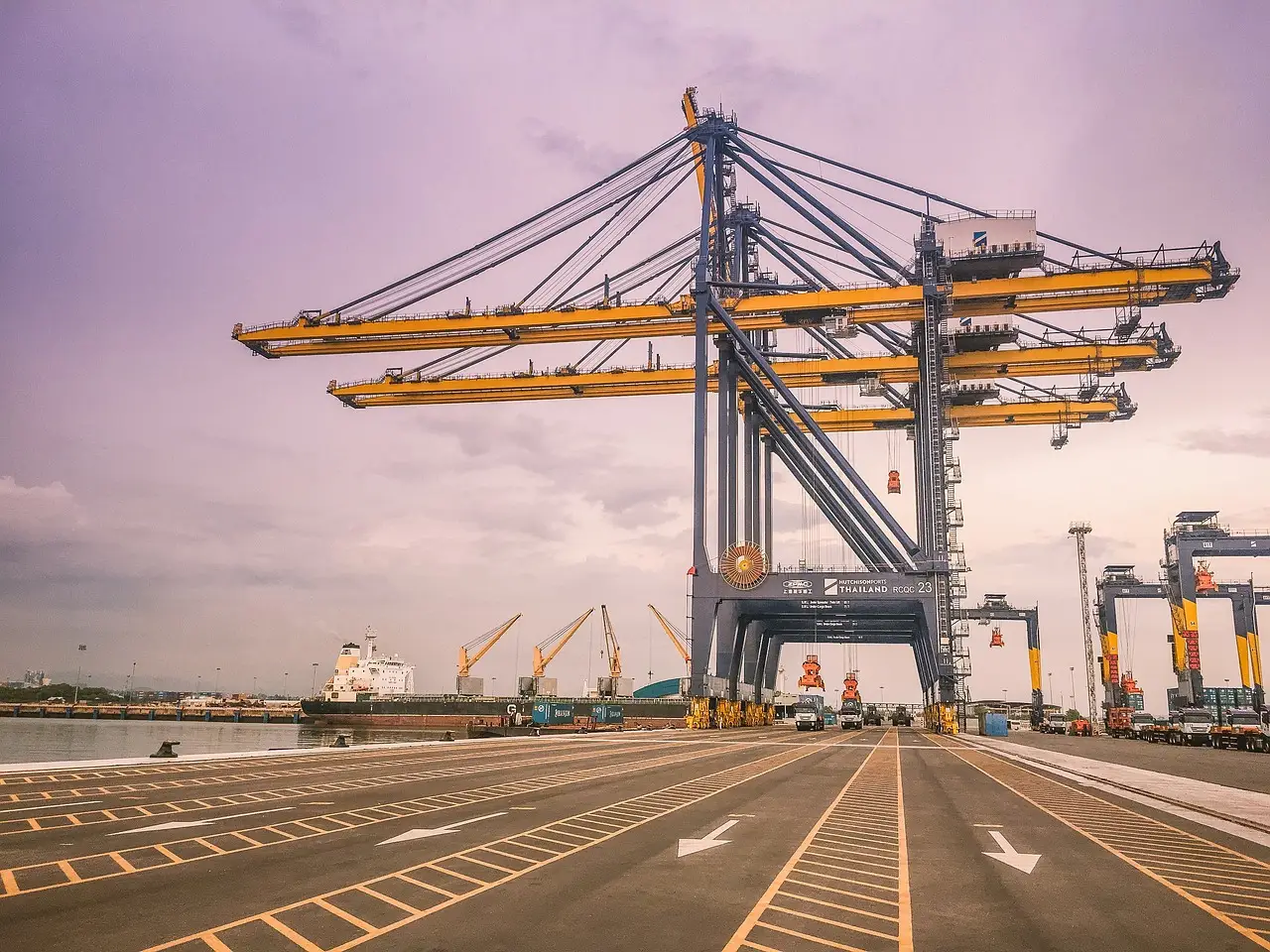
PSA broke ground on Tuas Phase 2 on November 20, 2026: 400 hectares, 8.6 km of wharf, 23 m draft, operations from 2028 and nearly 1,000 AI-guided vehicles planned.
Adjustments
- Phase 2 groundbreaking held November 20, 2026; operations targeted for 2028
- Phase 2 spans ~400 hectares with 8.6 km of wharf at 23 m depth
- Completed Tuas will have 66 berths and 65 million TEU theoretical capacity in the 2040s
- Tuas has processed 25 million TEU across 15 berths since 2022
- Nearly 1,000 AI-guided vehicles planned; ~30 now in Living Lab trials
By James Calloway
Ground broke on Phase 2 of Tuas Port on November 20, 2026. PSA Singapore says the section enters operations in 2028. That's the promise. The fine print is that "operations" at a groundbreaking rarely means full throughput — and PSA didn't say how many berths will actually work on day one.
The numbers are big regardless. Phase 2 covers roughly 400 hectares of reclaimed land — about 560 football fields, per PSA's own comparison — with 8.6 kilometers of wharf at 23 meters draft. That depth takes the largest boxships afloat, and the next generation on order. The specification exists to kill the physical constraint argument against Singapore, not to add marginal capacity.
Why consolidate now?
Tuas currently runs 15 active berths and has processed 25 million TEU since launching in 2022. Solid, but Singapore's container traffic is still spread across legacy terminals: Tanjong Pagar, Keppel, Brani and Pasir Panjang.
The migration schedule is the real story:
- Tanjong Pagar, Keppel and Brani shift to Tuas by 2027
- Pasir Panjang follows in the 2040s
- End state: 66 mega-berths, 65 million TEU theoretical annual capacity
The logic is simple. One hub removes the cargo shuffle between terminals and builds a throughput scale rivals can't easily copy. Note the word "theoretical" — 65 million TEU is a design ceiling, not a forecast, and PSA offered no volume projections alongside it.
What about the automation claims?
Tuas sells itself as a fully automated terminal: automated quay cranes, guided vehicles, minimal human hands on the box. Phase 2 nearly 1,000 Intelligent Guided Vehicles. These aren't standard AGVs on fixed, pre-mapped paths. PSA says they calculate their own routes in real time, adjusting to live traffic while mixing with manned vehicles on the same apron.
Roughly 30 units are running trials in the port's "Living Lab" testbed right now. Thirty proven units against a fleet of nearly 1,000 is a long validation runway. If the routing software stumbles at scale, the labor-saving math changes fast.
PSA is also testing shore-to-ship drones for urgent spares, fuel samples and supplies. Useful, if it works. It's a trial, not a deployed system — and the announcement didn't attach a date to it.
Who is Singapore racing?
Minister for Transport Jeffrey Siow framed it bluntly: rival ports are expanding capacity and copying the same technology playbook. He didn't name them, and the ceremony offered no benchmark figures against Port Klang, Tanjung Pelepas or the Chinese majors.
The stakes in hard numbers: the current system supports over 140,000 jobs and links Singapore to more than 600 ports worldwide. Volume reliability, not connectivity, is what keeps that intact.
Is there more than containers here?
Phase 2 also carries the Supply Chain Hub @ Tuas — logistics and warehousing bolted directly onto port operations. The aim is to cut ship-to-storage distance and time, a genuine choke point in global supply chains rather than a marketing flourish.
The government wants the hardware to anchor more global maritime headquarters in Singapore: ship financing, insurance, data services. Physical box flows tied to the financial and digital ecosystems that manage them. That's a policy ambition, not a signed tenant list.
The bottom line
Singapore has committed to one port, one terminal network, full automation and a 2040s finish line. The 2028 start for Phase 2 is plausible on the reclamation timeline. Whether the IGV fleet, the drone logistics and the 65 million TEU ceiling hold together under real traffic — that's the part nobody can groundbreaking a solution to.
via Google News: Ports & Terminals (Source)
More from James Calloway
Show full bio
Correspondent covering technology and product news in commercial shipping for industry professionals at Vessels.
109 articles