Mauá Shipyard rebuilds capacity, targets Petrobras and Transpetro work
Niterói's Mauá Shipyard rebuilt capacity — 1,700 workers, 36,000 t of steel a year, two PSV 4500 hulls in finishing — and cleared its tax liabilities to bid for Petrobras and Transpetro work.
Adjustments
- Mauá Shipyard's 180,000 m² Ponta d'Areia site can process up to 36,000 metric tons of steel a year
- 621 jobs created between December 2024 and May 2026; about 1,700 workers on the books by end of H1 2026
- Two PSV 4500-class vessels for Posidonia Shipping, Iara and Arlete, in finishing work; first delivery expected by end-2026
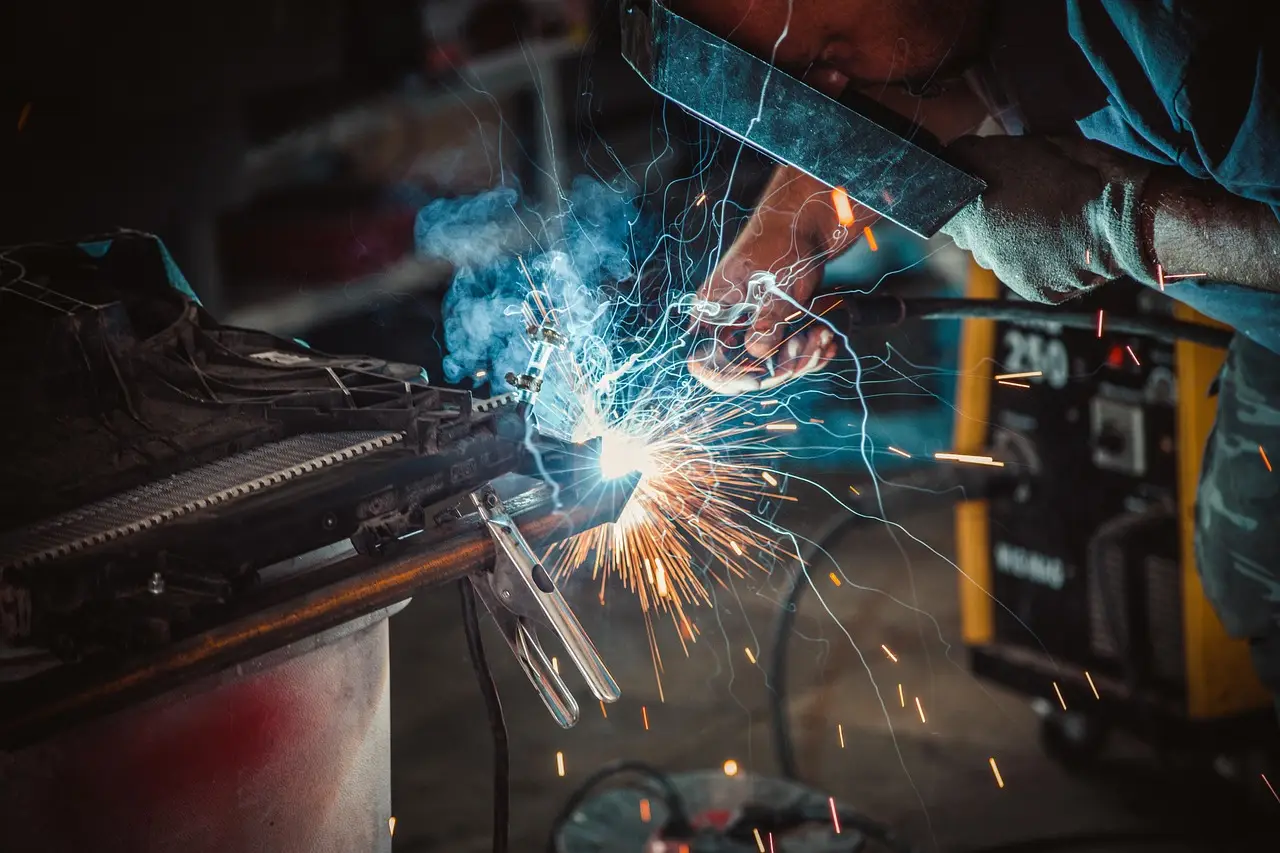
- 100 welding machines, new cranes and overhead cranes, plus planning software, bought in 2025; welding school reopened
- Tax clearance certificates obtained in July 2026, opening the way to bid for Petrobras and Transpetro orders
Mauá Shipyard employs about 1,700 workers and can process up to 36,000 metric tons of steel a year as the Niterói yard prepares to bid for new Brazilian shipbuilding contracts. The 180,000-square-metre site fronts Guanabara Bay.
Management set out that strategy at the fifth Niterói Energy event on November 18, 2026, and gave further detail on Wednesday, November 25. No new vessel contract accompanied the announcement.
What has Mauá invested in?
In 2025 the yard renovated its electrical substation and workshops, acquired cranes and overhead cranes, took delivery of 100 welding machines, and bought software for planning operations. It also modernised its project management system, a step that matters for a yard running several vessels at once.
Repair work sets the pace. Mauá notes that the scale of a job often becomes clear only when the vessel arrives: an intervention that looks simple on paper can demand extra equipment, materials and specialised labour, and disrupt the schedule of other projects.
Location adds an edge. Coming up from the entrance to Guanabara Bay, the yard sits before the Rio-Niterói Bridge, so it can accommodate vessels and offshore units whose height would make passage beneath the bridge difficult.
Can two PSV 4500 hulls reopen the build line?
Mauá is finishing two PSV 4500-class vessels for Posidonia Shipping, Iara and Arlete. The class carries equipment, materials and supplies for offshore platform operations, and the yard counts vessels serving the oil and gas industry among its key bets.
Both hulls arrived with structure already built and some equipment installation completed. Mauá took on the finishing work, reassembly of components and modification of onboard systems. Chief executive Miro Arantes treats the pair as rehearsal for the organisation: the projects prepare teams to regain command of every phase of shipbuilding.
In an August interview published by Sinaval, the National Union of the Shipbuilding and Offshore Industry, Arantes said the company expected to deliver the first vessel by the end of 2026. The November presentation carried no announcement of new shipbuilding contracts.
Commercial director Hensel Gonçalves pointed to "strong demand for vessel repair and conversion services" alongside the infrastructure spending and plans to expand shipbuilding activity again.
What unlocks Petrobras and Transpetro orders?
Labour supply. Mauá created 621 jobs between December 2024 and May 2026, according to Sinaval, and counted about 1,700 workers by the end of the first half of 2026. The yard reopened its welding school to train professionals against the technical requirements for manufacturing metal structures for the offshore industry.
On the financial side, July brought tax clearance certificates after a lengthy process to negotiate the yard's tax liabilities. That regularisation widens the tenders Mauá can bid for from Petrobras and Transpetro, although awards still depend on the respective selection processes.
What does 180 years of history tell the industry?
Irineu Evangelista de Sousa, later Baron of Mauá, bought a small foundry in Niterói in 1846, when Brazil still operated under imperial rule. By 1849 the site had become a major industrial establishment with shipbuilding facilities and adjoining workshops. The dry dock opened in 1911, and the period from 1960 to 1980 brought more than 100 ships — a pace that today's two-hull finishing schedule has yet to match.
On November 23, 2026, Mauá launched the book "Mauá: How the Ponta d'Areia Shipyard Shaped Brazil's Shipbuilding Industry". Representatives of Petrobras, Transpetro and the Brazilian Navy attended with business leaders and industry professionals, and the ceremony paid tribute to the Ferraz, Mac Laren and Rebelo families.
Arantes linked the two eras, arguing that the binding constraint on Brazilian shipbuilding then and now is "the need for financing and competitive conditions for domestic production".
A regularised tax position and 621 new hires give Mauá a bid-ready posture. Petrobras and Transpetro tenders will show whether 180 years of yard capacity converts into new hulls.
via Google News: Shipbuilding (Source)
More from Rebecca Stone
Show full bio
News editor covering people, launches and day-to-day practice in commercial shipping for industry professionals at Vessels.
157 articles
Linked entries
- Posorja terminal expands to 800m berth and 1.4m TEU capacity
- India's Five-State Shipyard Plan Reaches ₹1.15 Trillion, But Nothing Is Approved
- Brazil's Shipyards Head Past 80,000 Jobs on Transpetro Orders
- ADSB to build new Abu Dhabi yard dry-docking ships up to 500 m
- India prepares ₹69,725-crore shipbuilding expansion