Maersk orders 12 dual-fuel ships totaling 288,000 TEU
Maersk’s 12 dual-fuel 24,000-TEU ships total 288,000 TEU for 2030-31 delivery, equal to 6.1% of third-quarter operated capacity. The replacement share remains undisclosed.
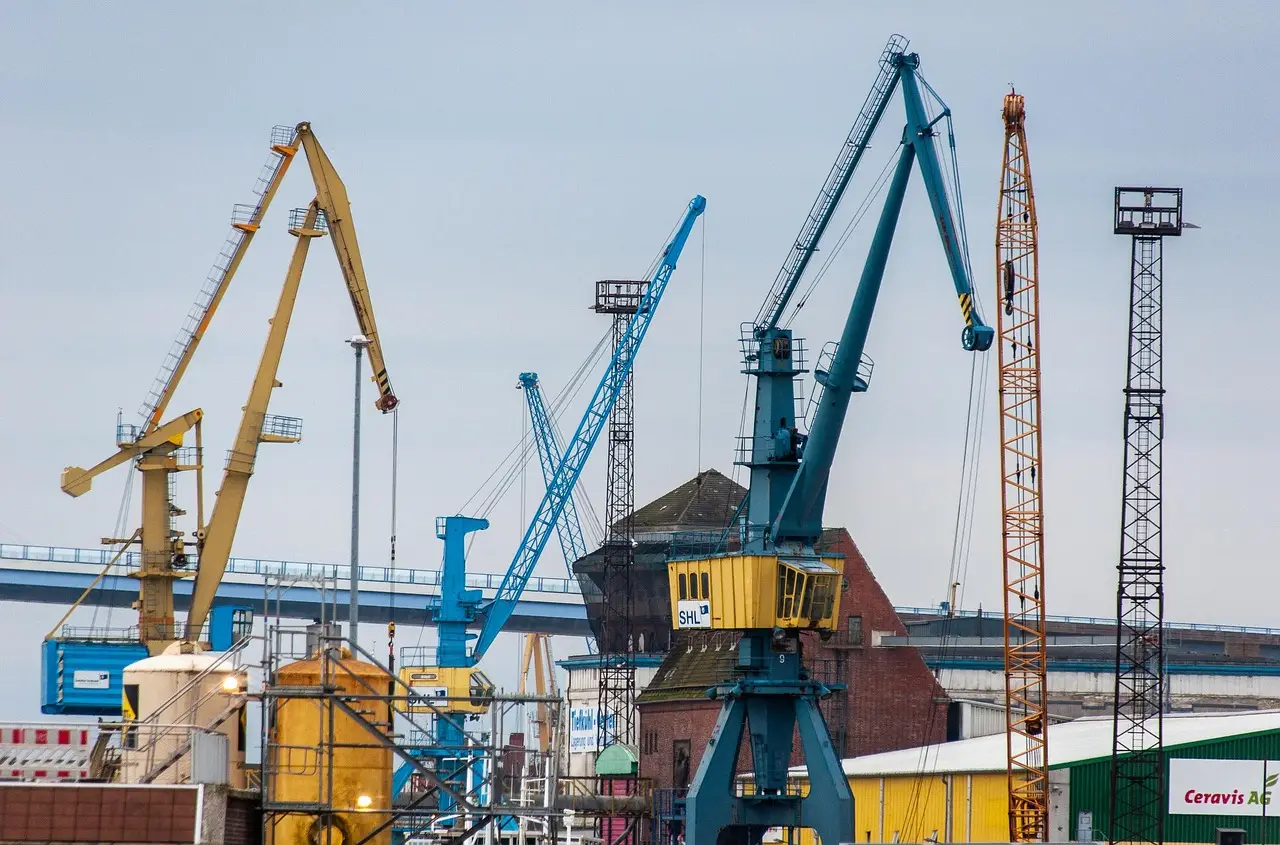
Maersk has ordered 12 dual-fuel container ships for 2030-31 delivery, representing 288,000 twenty-foot equivalent units (TEU), or 6.1% of its average third-quarter operated capacity.
Each vessel will hold 24,000 TEU, making the new ships the largest in Maersk’s fleet. The carrier operated 4.705 million TEU on average in the third quarter, the figure used to frame the order’s scale.
What has Maersk ordered?
The newbuilds will run on liquefied natural gas (LNG) or conventional bunker fuel. Maersk did not disclose the shipyard or contract price, so the builder and price per vessel remain unconfirmed.
Each ship will provide 3,432 TEU more capacity than Maersk’s current largest vessels. Across all 12 deliveries, the order creates a single 288,000-TEU block of capacity, with every unit scheduled to arrive by the end of 2031.
Maersk has not specified how much of that block will replace existing tonnage. Its 2024 fleet renewal programme provided for about 800,000 TEU of owned and chartered tonnage to replace existing capacity, while the new order totals 288,000 TEU.
Because the replacement share remains undisclosed, the order does not establish a net increase in Maersk’s fleet after retirements. It does, however, define the scale, size and fuel configuration of future capacity entering through the newbuilding programme.
Why does Clerc link the order to growth?
Fleet utilization, the share of available vessel capacity in use, stood at 96% for three consecutive quarters. On November 5, chief executive Vincent Clerc told investors that fleet investment would “allow the company to grow with the market.”
The utilization figure supports continued investment, while Clerc’s statement sets out a growth case beyond simple renewal. The order’s 6.1% scale against average operated capacity strengthens that rationale, although the 288,000 TEU cannot yet be treated as a net fleet addition.
The two delivery years stage the capacity addition, although Maersk has not disclosed how many of the 12 ships will arrive in each year. All 12 share the same 24,000-TEU capacity and dual-fuel configuration, keeping the package uniform across the order.
Maersk’s renewal programme already covered owned and chartered tonnage, while the new ships add a defined block of large, dual-fuel capacity. That combination gives the company an owned-and-chartered replacement channel and a newbuilding channel as utilization remains near its recent level.
The order also leaves commercial flexibility around fuel selection because each ship can use LNG or conventional bunker fuel. Maersk has not disclosed a vessel-by-vessel operating plan or a fuel allocation for the new series.
What changes if demand weakens?
At the end of September, chartered ships accounted for 416 of the 754 vessels Maersk operated. The chartered segment therefore formed the majority of the fleet by vessel count, although its share of carrying capacity was not disclosed.
Clerc said Maersk could “return chartered tonnage to owners if demand did not justify retaining it.” The statement identifies charter redelivery as a demand-management option for the operating fleet.
That option concerns ships already serving chartered positions, not the 12 newbuild commitments scheduled for 2030 and 2031. It gives Maersk a lever to reduce charter exposure if trading conditions weaken, while the new series sets the largest vessel size in Maersk’s fleet.
The two decisions cover different stages of fleet planning. For the existing fleet, Clerc tied redelivery to demand justification; for the incoming ships, Maersk has tied capacity to market growth while leaving the replacement share open.
The 754-vessel operating total provides the scale of the fleet at which that flexibility will operate. The 416 chartered ships sit within it, giving Maersk a sizeable pool of capacity that can return to owners rather than remain fixed through the delivery period.
For the incoming series, the unresolved variables are the builder, contract price, delivery allocation by year and the proportion of capacity replacing older tonnage. The confirmed terms are vessel count, unit capacity, fuel flexibility and the 2030-31 delivery window.
Maersk has fixed 288,000 TEU of future capacity while leaving both its replacement split and demand response open.
via Google News: Container Shipping (Source)
More from Rebecca Stone
Show full bio
News editor covering people, launches and day-to-day practice in commercial shipping for industry professionals at Vessels.
152 articles
Linked entries
- Maersk Orders 12 Ultra-Large Dual-Fuel Boxships for 2030-31 Delivery
- Maersk firms 12 24,000-TEU boxships at Hengli, options push total past 20
- MSC tops 10 million TEU as fleet and orderbook match 2006 world total
- Maersk Awards Hengli 20 LNG-Dual-Fuel 24,000 TEU Boxships for $4.58bn
- Maersk adds US$200 heavy-load surcharge for China–South America