Hong Kong's First Green Corridor Links Up With COSCO's Piraeus
Hong Kong's first green shipping corridor pairs the port with COSCO-majority Piraeus, adding shore power, methanol and LNG bunkering protocols plus dues discounts — but no start date or volumes yet.
Adjustments
- Hong Kong signed its first green shipping corridor MOU with Piraeus on November 16, 2026.
- Piraeus is majority-owned by China COSCO Shipping and is the first European partner port.
- Corridor covers shore power, standardised methanol, biodiesel and LNG bunkering plus dues discounts.
- Mainland China holds about 60% of global operating green methanol capacity, per Financial Secretary Paul Chan.
- Separate MOUs with Zhanjiang and Yangpu add a green energy corridor and a Hainan partner port.
Hong Kong signed its first green shipping corridor on November 16, and it runs all the way to Piraeus. Chief Executive John Lee announced the deal in his opening speech at Hong Kong Maritime Week 2026 and the sixth World Maritime Merchants Forum.
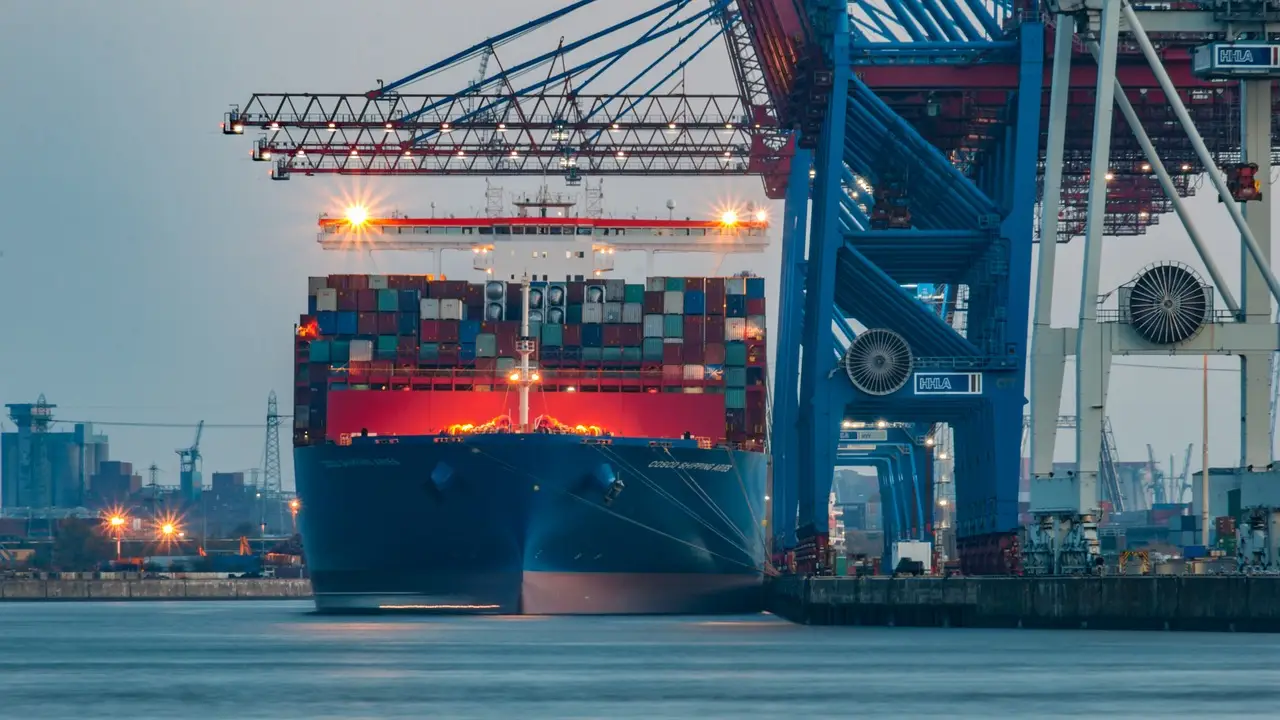
The corridor sits inside a partner-port framework under a memorandum of understanding. Secretary for Transport and Logistics Mable Chan signed it with Han Chao, chairman of the Piraeus Port Authority, at the ceremony. Reports say Piraeus is the first European port in a green corridor partnership with Hong Kong. It is also majority-owned by China COSCO Shipping, which explains a good deal about the routing.
What does the corridor actually deliver?
Start with the mechanics, not the ribbon-cutting. The corridor reportedly begins with shore power for visiting vessels. It adds standardised bunkering protocols for green methanol, biodiesel and LNG at both ports. A joint incentive scheme would offer port dues discounts and priority berthing to lines that hit set emission-reduction targets.
Notice what the announcement leaves out: no tonnage committed, no start date, no target volumes for any of the fuels. An MOU sets intent, not bunkering schedules. The discounts exist on paper until someone publishes the qualifying targets and the dues math. Until then, treat the incentive scheme as a promise with an asterisk.
Two more MOUs, one pointing inland
A second MOU, with Zhanjiang in Guangdong, establishes Hong Kong's first green energy corridor. That deal, which runs fuel rather than boxes, reinforces what the government calls end-to-end low-carbon green fuel supply chains and links mainland-produced green fuel with global maritime markets. The same caveat applies — an energy corridor is a supply chain ambition until barges and storage tanks get dates attached.
A third MOU makes Yangpu Port in Hainan a partner port of Hong Kong for cooperation in port and maritime activities. The statement gives no further detail on scope.
Who advises the fuel trading platform?
Hong Kong formed a task group of industry experts shortly before the ceremony to develop a green fuel trading platform. The group will advise on strategy, infrastructure set-up and the operating rules that will govern trading. Again, no names of members and no timetable appeared in the announcement.
The commercial logic came from Financial Secretary Paul Chan at the Hong Kong Global Maritime Trade Summit. The mainland accounts for about 60% of operating green methanol capacity worldwide, he said. Hong Kong's role, in his framing, is to bunker and trade the fuel that South China produces and stores before it reaches ships worldwide. That is a straightforward entrepôt play: hold the product, sell the product, let others make it.
Does the timing flatter the port's position?
Hong Kong ranked fourth globally in this year's International Shipping Centre Development Index and hosts roughly 1,200 port and maritime-related enterprises. Those are real credentials. They also predate the corridor, so they prove standing rather than green-fuel capability. Bunkering volumes will settle that question, and nobody has quoted a number yet.
Hong Kong Maritime Week runs until November 21, with more than 60 online and offline events organised by over 80 maritime organisations. Expect further signings before it closes.
via Marine Insight (Source)
More from James Calloway
Show full bio
Correspondent covering technology and product news in commercial shipping for industry professionals at Vessels.
44 articles
Linked entries
- CMES chief: shipping may not return to pre-conflict trading conditions
- COSL Books 59 Offshore Vessels for $1.64 Billion
- Incheon-Rizhao route opens twice weekly, targets 120,000 TEU a year
- Port of Blyth unveils 3-hectare plan and 1m channel deepening
- COSL orders 59 offshore support vessels in $1.64bn deal