Greek Owners Sit on $78bn of Energy-Transition Exposure
Greek shipowners hold USD 78bn in assets exposed to the energy transition, double Japan's exposure, says a report urging adoption of the IMO Net-Zero Framework at MEPC 85.
Adjustments
- Greek shipowners hold ~USD 78bn in energy-transition-exposed assets, about double Japan's exposure.
- ISWG-GHG 23 runs 23–27 November; MEPC 85 opens 30 November.
- Net-Zero Framework options drew more than twice the support of technical-only alternatives at the previous MEPC session.
- Without a global carbon price, the EU ETS remains in force alongside the IMO fuel standard.
- Report warns a delay of more than a year would force a steeper decarbonisation pathway later.
Greek shipowners hold roughly USD 78 billion in assets exposed to the global energy transition, about double the exposure of Japan, the next most exposed ship-owning nation. That figure comes from a report published ahead of two decisive IMO meetings, and it frames the stakes for MEPC 85 in unusually blunt terms.
The report, Real economy consequences for Greece from success or failure of the Net-Zero Framework, landed before the twenty-third session of the Intersessional Working Group on Greenhouse Gases, scheduled for 23–27 November, and the eighty-fifth session of the Marine Environment Protection Committee, which opens on 30 November. Its core claim: the IMO Net-Zero Framework is the most credible route to the single global rulebook the industry, including the Union of Greek Shipowners, has long demanded.
That's an advocacy position, and readers should weigh it as one. But the numbers underneath deserve attention.
Where does the $78bn exposure come from?
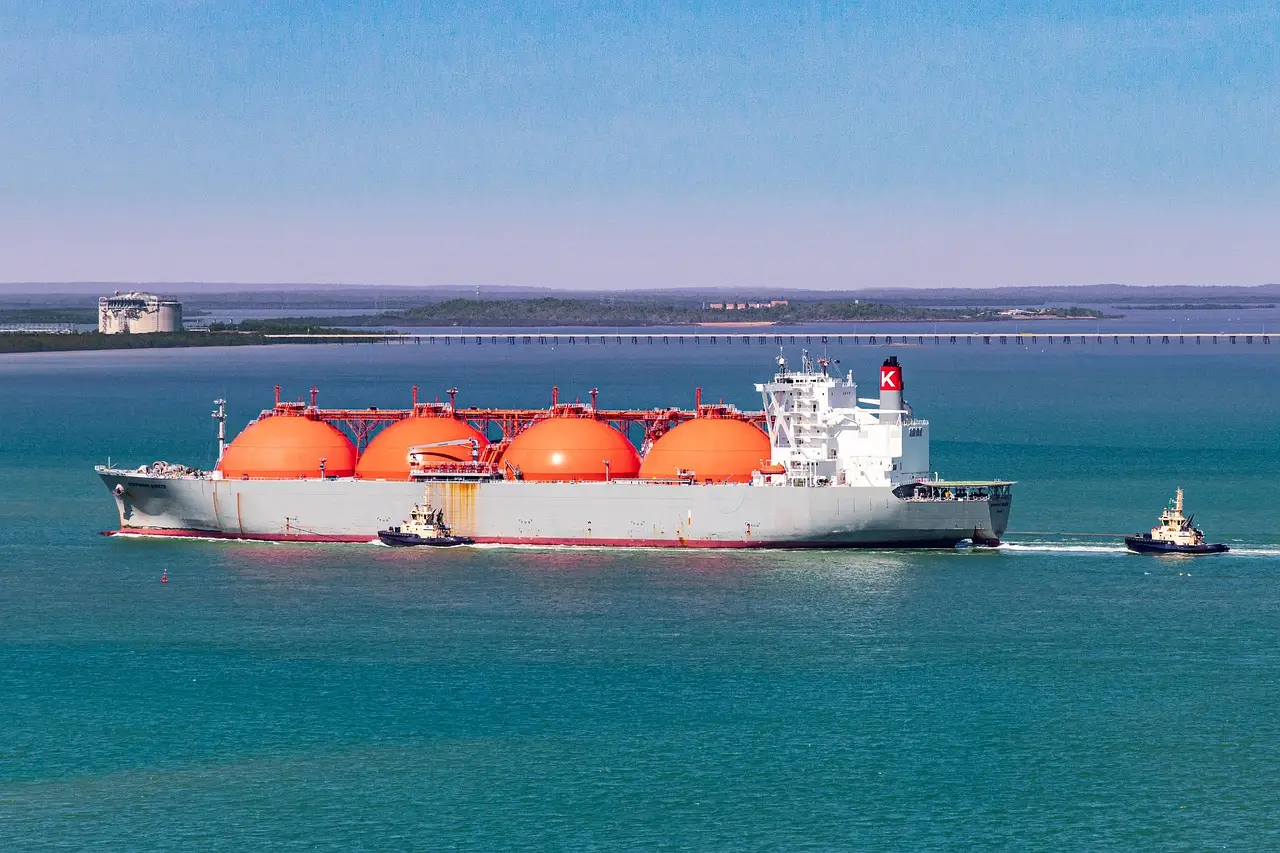
Not from bunkers, initially. The exposure stems from the risk that declining demand for fossil fuel cargoes reduces the need for vessels such as LNG carriers. Greek owners already face one transition they cannot control, tied to what their ships carry, said Dr Tristan Smith, Professor of Energy and Transport at the UCL Energy Institute and co-director of the Shipping and Oceans Research Group.
Smith framed support for the framework — which he called the only adoptable architecture on the table at the upcoming committee session — as a chance to make the second transition, the regulation of shipping's own energy use, "more predictable, less burdensome, less complicated" and more supportive of a mix of decarbonisation strategies and pathways. One transition is imposed by cargo markets. The other can still be shaped at the IMO table.
What happens if the framework fails?
The report's answer is fragmentation. A weaker, technical-only outcome at the IMO would leave the EU Emissions Trading System running alongside the IMO fuel standard, and would encourage additions to unilateral carbon pricing — including measures already begun in Africa. The Union of Greek Shipowners has warned against exactly that regional patchwork.
The vote math matters here. At the previous committee session, options resembling the Net-Zero Framework drew more than twice the support of technical-only alternatives. The report finds no alternative architecture with anywhere near the level of support needed for adoption, and states plainly that efforts not supporting the framework only increase the risk of stalemate and fragmentation.
There's a Brussels caveat too. The European Commission's commitment to avoid double payment depends on a global carbon price being adopted. No global price, and the EU ETS stays in force on top of the IMO standard. Owners budgeting for 2026 and beyond should note that dependency — a promise conditional on an outcome nobody controls yet.
Earlier in the week, Union of Greek Shipowners President Melina Travlos urged IMO member states to deliver a regulation she described as pragmatic, proportionate and implementable. She also questioned whether the EU is prioritising its regional measures — and the revenues they generate — over a global deal.
Who carries the administrative burden?
The report raises a quieter concern: regulatory fragmentation would disadvantage smaller shipping companies. They have less capacity and flexibility to manage the administrative burden and timing of the transition. Consolidation pressure rarely makes headlines. It shows up in compliance departments first.
Demetres Karavellas, CEO of WWF Greece, said shipping must play its part in the transition to net-zero as climate impacts intensify, and called the framework "the only credible global pathway" to decarbonise the sector while giving businesses the certainty needed to invest. Greece, as the world's leading shipping nation, has more to lose from delay than almost anyone else, he argued: opposing the framework would not stop the transition, but would increase uncertainty and expose Greek shipping to greater risk.
What's the bottom line for owners?
The report concludes that failure to adopt the Net-Zero Framework — or a delay of more than a year — would weaken the IMO as global regulator, accelerate regional regulation and force a steeper decarbonisation pathway later. Steeper means costlier. It urges shipowners to engage constructively in developing the framework and its guidelines as the only viable, truly global option.
Skeptic's note: the report's authors want an outcome, and the analysis is built to support one. That doesn't make the $78bn figure wrong. It does mean owners should watch MEPC 85 from 30 November with their own fleet lists open, and check how much of that exposure sits in gas carriers rather than crude and products.
via Google News: IMO Regulation (Source)
More from James Calloway
Show full bio
Correspondent covering technology and product news in commercial shipping for industry professionals at Vessels.
109 articles
Linked entries
- Greek Owners Carry $78bn Transition Exposure, Twice Japan's
- Greek shipping’s $78bn transition exposure raises the IMO delay stakes
- Nordic Owners Accept Slower IMO Talks, Demand Binding Net-Zero Rules
- Clean Shipping Coalition presses IMO states to adopt Net-Zero Framework in December
- IMO Reopens Net-Zero Framework Talks November 30