Floating pipeline reaches 232 units, but only 72 have firm orders
Intelatus tracks 711 floating units, but only 72 of 232 with expected first production in 2026–2035 have orders. LATAM dominates FPSO demand while charter commitments tighten AHTS supply.
Adjustments
- Intelatus tracks 711 floating units: 460 installed, 72 on order, 174 planned and five available.
- Only 72 of 232 units dated 2026–2035 have firm orders, leaving 174 planned.
- FPSOs account for 108 of the 232 pipeline units, or 47%.
- LATAM has 52 planned or on-order units for 2026–2035, including 41 FPSOs.
- Expected first production peaks in 2028 at 52 units, split between 26 ordered and 26 planned.
Only 72 of 232 floating units with expected first production in 2026–2035 have firm orders; 174 remain planned, according to Intelatus Global Partners. Its database tracks 711 production, storage and power units. Intelatus calls it “a portfolio of very different offshore campaigns rather than a single global trend.”
What does the fleet contain?
The 711 units divide into 460 installed, 72 on order, 174 planned and five available. APAC leads the installed fleet with 137 units, followed by LATAM 93 and Africa 89.
Installed FPSOs total 181, ahead of FSOs 74, FSRUs 48 and SEMIs 40. APAC, LATAM and Africa together account for 492 units, while planned projects outnumber firm orders by more than two to one.
Where does the work sit?
Intelatus’s regional breakdown shows sharply different markets:
- LATAM: 99 FPSOs among 145 units. It has 52 planned or on-order units for 2026–2035, including 41 FPSOs; Brazil has 30 projects, Guyana 11. Its 21 units dated 2031–2035 form the region’s largest late-period pipeline.
- APAC: 217 units in total, including 74 FPSOs, 50 FSOs, 25 FSRUs and other designs. Its 68 projects dated 2026–2035 span production, storage and LNG import.
- Gulf of Mexico: 25 SEMIs and ten FPSOs. The regional pipeline contains 21 planned or on-order units for 2026–2035: nine SEMIs, four FPSOs and four FLNG facilities.
- Africa: 41 planned or on-order units for 2026–2035: 23 FPSOs and seven FLNG facilities. Nigeria has 14 projects, Namibia six; all 13 African units dated 2031–2035 remain planned, pending sanction and procurement.
- Mediterranean Sea: FSRUs dominate with 20 of 34 units, creating a regasification market rather than an offshore-production installation market.
Average water depths are 1,564m in LATAM, 1,402.3m in the Gulf of Mexico, 889m in Africa, 509m in the Mediterranean, 328m in APAC and 297m in North Europe. Intelatus flags Indonesia and India as emerging ultra-deepwater drilling markets despite APAC’s lower mean.
Which units drive the pipeline?
FPSOs account for 108 of the 232 units, or 47%. The balance comprises 33 FSRUs, 30 FLNG facilities, 17 FSOs, 15 SEMIs and 29 other floating units.
| Unit type | 2026–2030 | 2031–2035 | Total |
|---|---|---|---|
| FPSO | 70 | 38 | 108 |
| FLNG | 16 | 14 | 30 |
| SEMI | 8 | 7 | 15 |
| FSRU | 29 | 4 | 33 |
| FSO | 17 | 0 | 17 |
| Other | 24 | 5 | 29 |
| Total | 164 | 68 | 232 |
FLNG interest is widening beyond FPSO operators. Yinson Production is looking to extend its lease-and-operate model to FLNG. In Brazil, Petrobras has sought market information on FLNG options for offshore gas resources.
Rystad Energy expects global FLNG capacity to rise from 14.1 Mtpa in 2024 to 42 Mtpa in 2030 and 55 Mtpa in 2035, supported by better operating performance and smaller or remote gas-field economics. The IEA expects more than 330 bcm/year of new LNG export capacity over 2025–2030; its total includes onshore and floating plants.
When will the work arrive?
First production peaks in 2028 at 52 units, split between 26 ordered and 26 planned. This is not the installation peak: mooring pre-lay and floater hook-up precede production, and delays shift workload between years.
Of 164 units dated 2026–2030, 70 are ordered and 94 planned; in 2031–2035, only two are ordered and 66 planned. Intelatus treats project maturity as the greater uncertainty: dates can slip, projects may fail sanction, and new schemes could add post-2030 demand.
The installed fleet is a moving base. Intelatus lacks a complete retirement and redeployment schedule; units may retire, stay longer, be modified or move fields. Redeployment need not require a new hull, but can bring repair, new moorings, underwater work and reinstatement. The identified pipeline is therefore not a forecast of net fleet growth.
What mooring work follows?
Turret-moored FPSOs, spread-moored SEMIs and tension-leg platforms transmit station-keeping loads differently and need different installation sequences. Depth, metocean loading and seabed conditions determine mooring geometry, line length, strength, materials and anchor choice, including drag-embedment, suction or torpedo anchors.
Chain–polyester–chain systems can require separate anchor-installation, line pre-lay and floater hook-up campaigns. Installation loads and methods, not floater type alone, set AHTS bollard pull, winch and deck capacity and loadout count. One development can spread demand across floaters, moorings and subsea systems.
How do charter markets affect vessel supply?
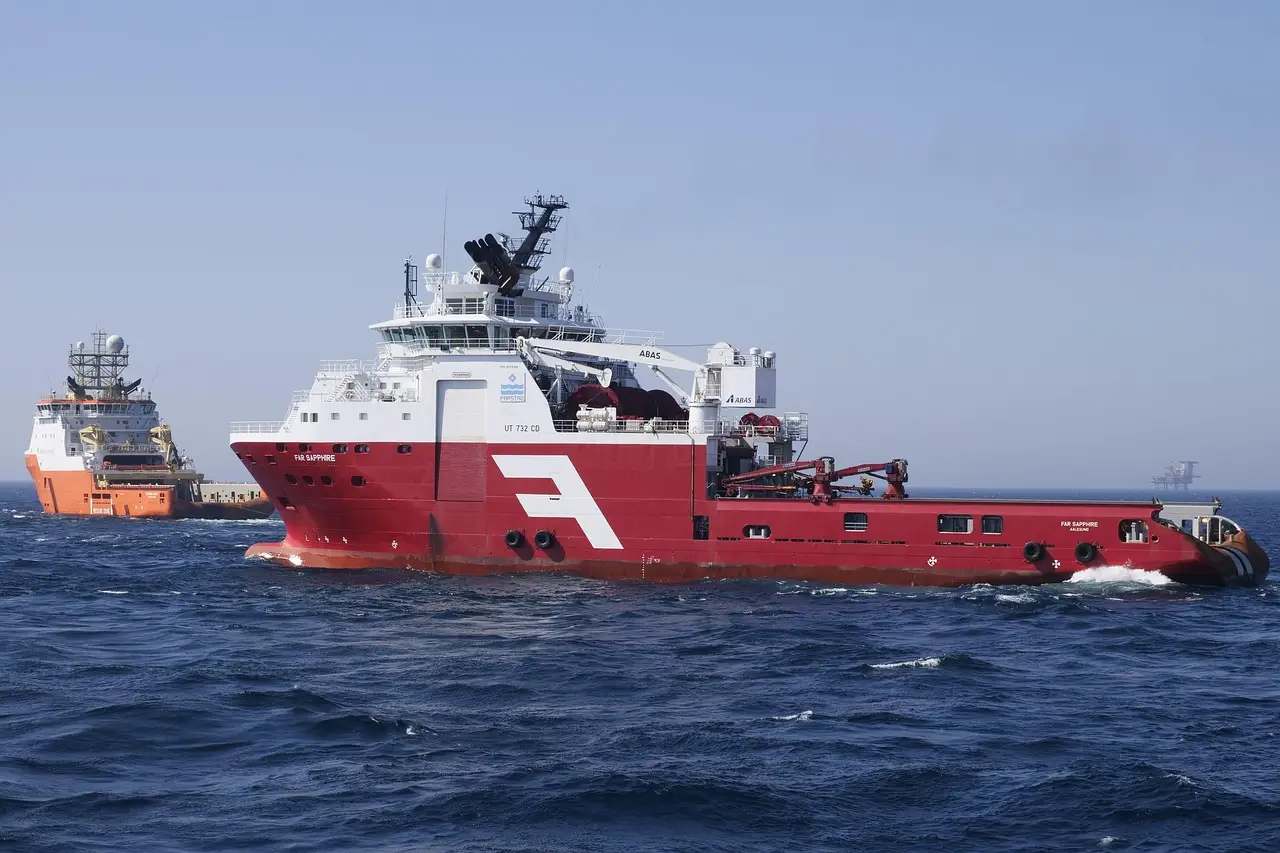
Brazil’s DOF secured four-year awards for four AHTS vessels: one with more than 350 tons of bollard pull and three configured for deepwater ROV work. The commitments secure owner utilisation but reduce high-specification availability elsewhere; North Sea tightness in 2025–2026 has been partly linked to them.
West Africa runs more short-term campaigns. Vessels often mobilise from the North Sea and move south during northern-hemisphere winter. Summer returns are possible, not automatic: mobilisation costs, contract terms, local requirements and weather windows determine the economics.
Where is the commercial edge?
Intelatus says LATAM has the deepest FPSO demand, though long-duration projects can tie up high-specification tonnage and mooring capacity. APAC mixes production, storage and gas infrastructure and is moving into deeper water. Africa pairs established FPSO work with growing gas interest, but much of its later pipeline needs funded execution.
Intelatus puts it bluntly: “project quality now matters more than project count.” After 2030, the pipeline turns more gas-heavy and less certain, with most units still planned.
Likely winners combine a credible backlog, complexity that limits competition and local access, matching vessels, moorings and installation methods as projects move from concept to commitment. Technical fit and regional positioning beat headline unit totals.
via MarineLink (Source)
More from Amara Osei
Show full bio
Senior reporter covering technology and product news in commercial shipping for industry professionals at Vessels.
47 articles