Cool Carriers takes delivery of Snow Land, world's first gate-udder reefer
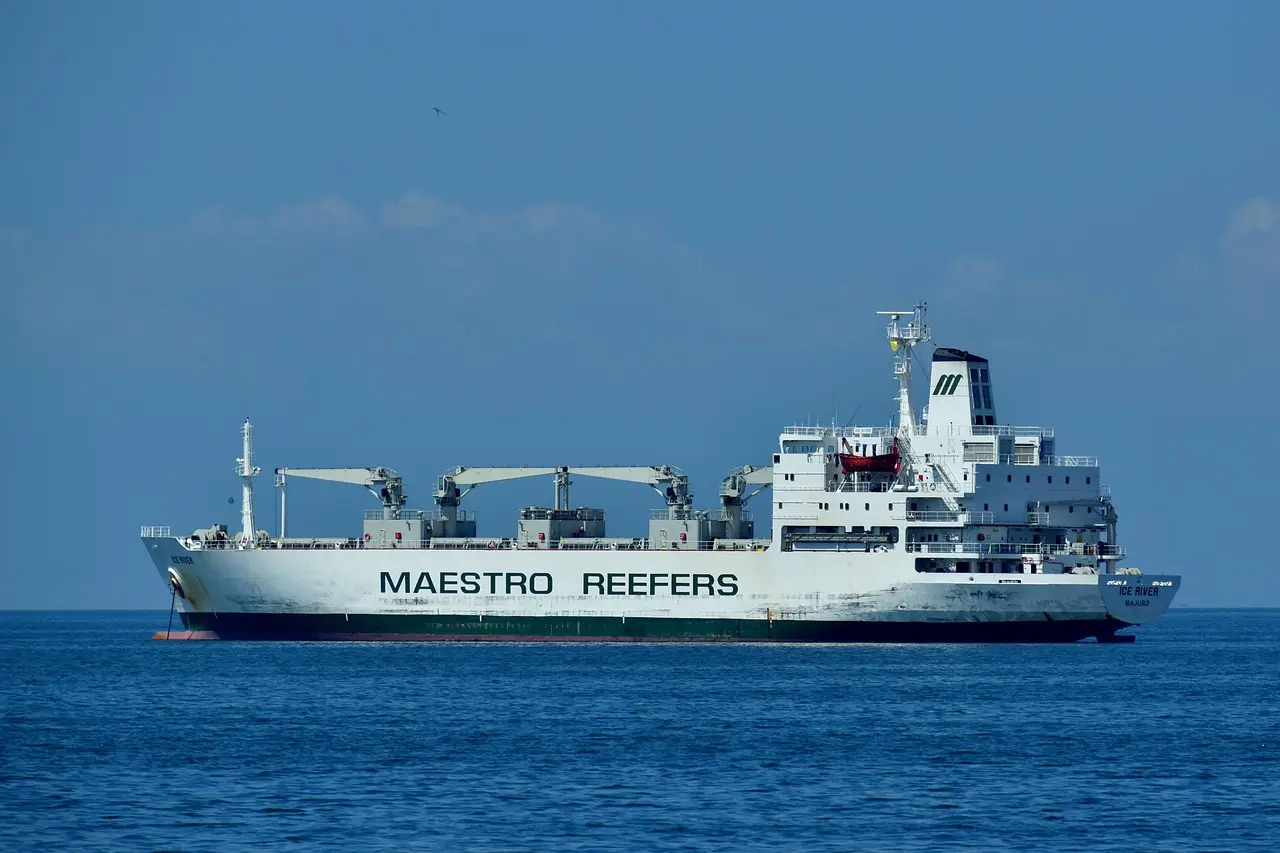
Cool Carriers has taken delivery of Snow Land, the world's first gate-rudder reefer, from Kitanihon Shipbuilding — the third of seven Snow-class ships with CO2 intensity 50% below the EEDI reference line.
Adjustments
- Snow Land delivered 12 November 2026 by Kitanihon Shipbuilding in Japan, third of seven Snow-class vessels
- World's first specialised reefer with a Gate Rudder System; Wärtsilä reports up to 20% fuel savings on the technology
- CO2 intensity roughly 50% below the EEDI reference line for its type and size, based on HFO operation
- 18,710 cubic metres (660,738 cubic feet) of reefer capacity, eight zones from -25°C to 15°C, plus 168 forty-foot reefers on deck
- Four remaining Snow-class ships join the fleet over the next two years
Kitanihon Shipbuilding delivered Snow Land, the world's first specialised refrigerated cargo vessel fitted with a gate rudder, to Cool Carriers on 12 November 2026 in Japan. The 162.5-metre ship is the third of seven hulls in the Swedish operator's Snow-class newbuilding programme.
The Gate Rudder System replaces the conventional single rudder mounted behind the propeller with two high-lift foil rudders positioned on either side of it. Water flowing across the rudder blades during voyages generates additional forward thrust, letting the vessel hold speed on less fuel. Each blade can be controlled independently, which improves manoeuvrability during berthing.
Wärtsilä, a licensee of the technology, has recorded fuel savings of up to 20% on vessels operating the system.
What does the design deliver in emissions terms?
Kitanihon Shipbuilding puts Snow Land's carbon dioxide intensity approximately 50% below the reference level for a vessel of its type and size. The yard based the calculation on the Energy Efficiency Design Index (the IMO's design-stage CO2-per-tonne-mile benchmark) assuming operation on heavy fuel oil.
How much reefer capacity does the vessel carry?
Snow Land measures 162.5 metres length overall and 25 metres in breadth, with a fully laden service speed of approximately 18 knots. Its refrigerated cargo capacity totals 660,738 cubic feet, or 18,710 cubic metres.
Temperature flexibility is a core selling point:
- Eight cooling zones allow simultaneous carriage of fresh and frozen cargo
- Set points range from -25°C to 15°C within a single voyage
- Up to 168 forty-foot refrigerated containers can be carried on deck
Where does the programme stand?
Snow Land follows sisters Snow Flower and Snow Flake into the fleet. Cool Carriers expects the remaining four Snow-class vessels to join over the next two years, completing the seven-ship series.
Chief Operations Officer Glenn Selling framed the class around commercial and environmental payoff. "The Snow-class reflects our ongoing commitment to innovation and efficiency. It enables us to design new and exclusive itineraries, offer a higher standard of service and use next-generation environmental technologies that support our decarbonisation goals," Selling said.
For a niche reefer sector under pressure from containerised competition, a 20% fuel-saving figure and a 50% cut against the EEDI reference line give the Snow class a measurable answer on both operating cost and incoming carbon-intensity rules.
via Container News (Source)
More from Rebecca Stone
Show full bio
News editor covering people, launches and day-to-day practice in commercial shipping for industry professionals at Vessels.
129 articles